LEVEL5 Bets on Inazuma Eleven and a Yo-kai Watch Revival
LEVEL5's September 2026 showcase announced Inazuma Eleven: Rekka no Kakumei and a Yo-kai Watch spiritual successor, signaling a rare dual-franchise push as the studio tries to reclaim relevance in Nintendo's handheld-ledger ecosystem.
LEVEL5 Is No Longer Just Dreaming
The Japanese publisher known for building empires out of monster-collecting games and sports spin-offs finally has something to point at beyond vague promises. At its LEVEL5 VISION 2026 II event on September 10, the studio revealed two major franchise announcements — Inazuma Eleven: Rekka no Kakumei and Holy Horror Mansion, a spiritual successor to Yo-kai Watch — both destined for a public showing at Tokyo Game Show 2026.
What makes this moment significant is not just the announcements themselves, but the timing. LEVEL5 went through years of near-silence after the underwhelming performance of The Great Ace Attorney 2 and the stalled Ni no Kuni mobile pivot. This is the first time since the Yo-kai Watch craze cooled that the studio has put two high-profile IPs on the table in a single broadcast.
The stakes are high. LEVEL5’s market capitalization has fluctuated wildly since 2016, when Yo-kai Watch peak sales generated over ¥200 billion in merchandise alone. The studio burned through three years of goodwill and investor confidence through missteps — delayed releases, scope reductions, and a mobile strategy that never found its footing. Each announcement cycle became a source of speculation rather than celebration. This September, the tone shifted. Two titles, one broadcast, a clear signal that the dormancy era may be ending.
The Inazuma Eleven Return
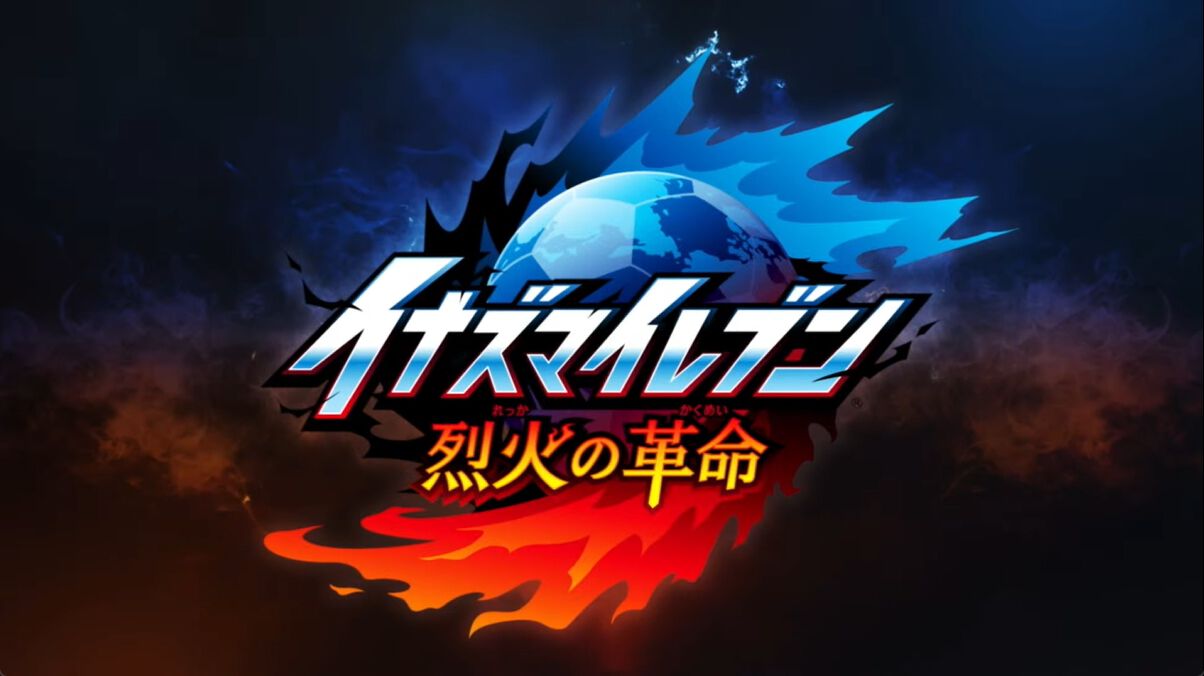
Inazuma Eleven: Rekka no Kakumei is described as a sequel to Inazuma Eleven: Eiyuu-tachi no Victory Road, which itself arrived on Nintendo Switch in 2023 to modest returns. The new entry reveals a protagonist named Nagi Kōrousei — a character described as having an unusual background — who will carry the main story. No release window was given, and LEVEL5 said further details will come at the next broadcast.
The careful withholding of information is a pattern LEVEL5 has repeated across recent years: announce early, reveal slowly, hope the waiting generates enough goodwill to carry the launch. But the franchise context matters here. Inazuma Eleven has survived on a devoted fanbase that watches each trailer like a religious text. The Chrono Stone and Asterisk entries found niche audiences, and the anime has maintained a loyal following across multiple seasons. The series occupies a unique space — sports RPG hybrid with supernatural flair — that no other Japanese publisher has successfully replicated at scale.
The naming of Rekka no Kakumei (Blazing Revolution) suggests a tonal shift. Previous entries balanced competition drama with team-building mechanics. A title referencing “revolution” implies something more ambitious — perhaps a narrative overhaul, a new gameplay structure, or both. LEVEL5 has rarely taken creative risks with established IPs, preferring safe sequels that extend rather than reimagine. If Rekka no Kakumei breaks that pattern, it could redefine what fans expect from the franchise.
The financial implications are equally noteworthy. Sports RPGs represent a smaller but steadier revenue stream than monster-collecting titles. Inazuma Eleven games have consistently sold between 300,000 and 600,000 copies per release across Japan and international markets. That’s not blockbuster territory, but it’s reliable — and reliability is exactly what LEVEL5 needs right now. One hit franchise can sustain a studio; two stable franchises make it resilient.
The Yo-kai Watch Ghost
More interesting than the Inazuma Eleven announcement may be Holy Horror Mansion. While the source material only confirms it will appear at TGS 2026, the framing as a Yo-kai Watch spiritual successor is telling. It suggests LEVEL5 is re-entering the monster-collection genre with a new tone — horror-tinged, perhaps more mature, clearly distinct from the 2010s kids’ craze that defined the original.
The Yo-kai Watch brand has existed in a state of suspended animation since its initial boom faded around 2016. Spin-offs, mobile titles, and crossover appearances kept it alive, but nothing has revived it at full scale. The original Yo-kai Watch generated a cultural phenomenon — trading cards, anime ratings that competed with Pokemon, merchandise lines that dominated toy stores. When the momentum stalled, LEVEL5 had no contingency plan beyond annual sequels and mobile porting attempts that confused existing fans while failing to attract new ones.
Holy Horror Mansion represents a strategic pivot. Rather than attempting to recreate the 2014 phenomenon, LEVEL5 appears to be targeting a different demographic — older players who grew up with Yo-kai Watch and now want something more atmospheric, more psychologically complex. Horror-tinged monster collection is an unproven space in Japanese gaming. Pokemon maintains family-friendly boundaries. Shin Megami Tensei occupies the darker niche but serves a fundamentally different audience. If Holy Horror Mansion can bridge these worlds, it could carve out a market segment that no competitor currently serves.
The title’s horror orientation also reflects broader industry trends. Post-2020, dark fantasy and psychological horror have gained mainstream acceptance in Japanese gaming. Titles like Silent Hill: Townfall and The Callisto Protocol demonstrate that mature horror has commercial viability beyond niche audiences. LEVEL5’s move into this territory suggests it recognizes that the childhood nostalgia market is exhausted — and that its former fans are now adults with different purchasing power and different tastes.
What This Means for the Handheld Space
Both titles are almost certain to target Nintendo platforms, continuing a long relationship between LEVEL5 and Nintendo hardware. The company’s recent history is deeply tied to Switch releases, and the upcoming transition to whatever comes next for Nintendo will likely remain central to their strategy.
Meanwhile, Apple’s entry into the handheld gaming ledger space has shifted the competitive landscape. The company’s push into dedicated gaming hardware creates a new market dynamic that any Japanese publisher targeting portable play must consider. LEVEL5’s strategy of sticking with Nintendo while building IPs with strong collectible and social mechanics positions them well if the Switch 2 maintains the hybrid console model that made the original Switch a phenomenon.
The implications extend beyond platform loyalty. Nintendo’s ecosystem rewards patience and long-term franchise development — exactly the approach LEVEL5 is now attempting to revive. Mobile-first strategies have failed the studio repeatedly; home console commitments, while slower, offer higher margins and stronger brand association. If Inazuma Eleven: Rekka no Kakumei and Holy Horror Mansion both land on Nintendo hardware, they benefit from the platform’s family-friendly reputation and its dedicated third-party support structure.
The Real Test Ahead
Announcements are easy. Delivering finished games on budget and on time is what separates LEVEL5’s current cycle from its 2010s heyday. The studio has a track record of missed deadlines and scope reductions — Ni no Kuni: Wrath of the White Witch was years late, Professor Layton entries have faced repeated delays, and Inazuma Eleven titles often arrive with content cuts that disappoint fans.
What matters now is whether the TGS 2026 reveals provide substantive gameplay footage rather than cinematic trailers, and whether LEVEL5 can produce these titles without another multi-year gap. The studio’s brand depends on consistency it has struggled to maintain in recent years. Investors, fans, and competitors are all watching to see if this cycle produces finished products or merely more promises.
The financial reality is straightforward. LEVEL5’s stock price correlates directly with franchise delivery velocity. Each delay erodes confidence; each on-time release rebuilds it. Two announcements in September 2026 is a positive signal, but signals don’t generate revenue — shipped games do. The studio must now translate these reveals into playable demos, then into polished releases, then into sustainable sales that justify continued investment.
What Comes Next
TGS 2026, scheduled for September 25–28, will be the critical proving ground. LEVEL5 has committed to showing Inazuma Eleven: Rekka no Kakumei and Holy Horror Mansion at the event. Hands-on demos, gameplay footage, and concrete release windows would transform speculation into credibility. Anything less — cinematic trailers, vague statements, delayed reveals — would reinforce the pattern of overpromising and underdelivering that has defined the studio’s recent history.
For fans, the calculations are simple. Inazuma Eleven: Rekka no Kakumei offers continuity with a franchise they already love. Holy Horror Mansion offers novelty — a reimagining of a beloved IP with a tonal shift that could either alienate longtime fans or attract a new generation. Both outcomes are possible; only the final products will determine which materializes.
LEVEL5 stands at an inflection point. The studio can use these announcements as the foundation for a genuine resurgence, or it can add them to the growing catalog of promising-but-unrealized projects that define its modern era. The difference between those two futures will be determined not by September’s broadcast, but by whatLEVEL5 delivers in the months and years that follow.