Moderna's mRNA Cancer Breakthrough Changes Everything
Moderna and Merck's Phase 3 trial showed their personalized mRNA melanoma vaccine improves progression-free survival when combined with Keytruda. The first demonstration of mRNA efficacy in cancer opens a door that could reshape oncology — and the supply chains that support it.
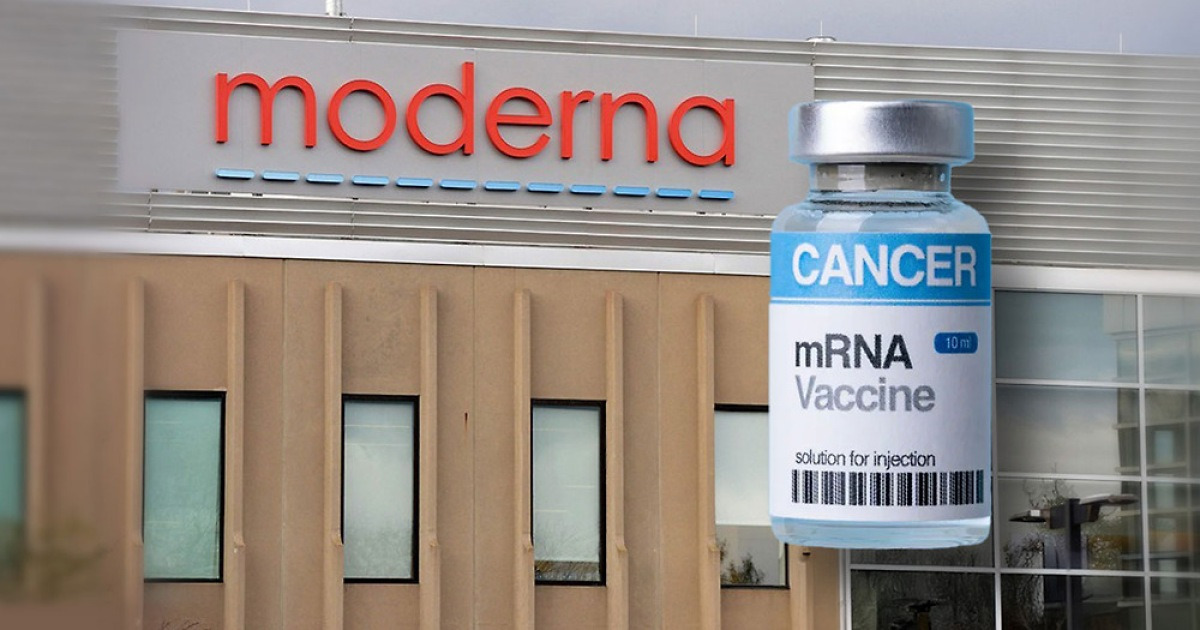
The First Real Proof That mRNA Can Treat Cancer
For four years after the pandemic peaked, mRNA technology seemed destined to become a one-trick platform — the world’s most effective vaccine delivery system, sitting unused for everything else. Moderna staked billions on that assumption being wrong. On Monday, the company showed its Phase 3 data for intisdemelan, a personalized mRNA cancer vaccine, and the numbers, though still incomplete, were enough to shift the entire oncology landscape.
The trial enrolled 1,137 high-risk melanoma patients across two arms: one received Keytruda alone, the standard-of-care PD-1 inhibitor from Merck, and the other received Keytruda plus intisdemelan. The combination arm showed a measurable extension in progression-free survival — the time patients lived without their cancer growing — and a reduction in metastatic events. The specific hazard ratios and median survival figures remain unpublished, which is the story’s largest gap. But the direction of the signal matters: this is the first Phase 3-level evidence that an mRNA therapeutic produces a clinically meaningful anti-cancer effect in humans.
David Berman, Moderna’s chief development officer, put it plainly at the announcement: this is the first time an mRNA treatment has shown efficacy in cancer, and the first personalized cancer cell therapy approved through this mechanism anywhere in the world.
That last word — personalized — is what makes this different from every other oncology milestone in recent memory.
Why Personalization Changes the Math
Melanoma is among the most mutable cancers. Two patients with the same diagnosis can carry wildly different neoantigens — the mutated proteins that mark a cancer cell as foreign to the immune system. That’s why a one-size-fits-all drug often loses ground as tumors evolve resistance. Keytruda helps the immune system recognize cancer broadly, but it doesn’t teach it to hunt the specific mutations driving an individual’s tumor.
Intisdemelan does exactly that. The vaccine is built from each patient’s own tumor sequencing data. Scientists identify the unique mutations present in that person’s cancer cells, encode the corresponding antigens into mRNA, and inject the personalized formulation back into the same patient. The result is a customized immune training session — the body learns to recognize and attack the exact proteins its own tumor is displaying.
Hong Gi-jong, a professor at Gachon University School of Medicine who was quoted in the source reporting, described it this way: even within the same cancer type, the antigen profiles differ from patient to patient, and the vaccine is individually designed to match each one.
That precision is both the advantage and the bottleneck. It means higher likelihood of immune recognition. It also means every single patient needs a bespoke manufacturing run.
The Manufacturing Question That Will Define This Platform
Here is what English-language outlets have not been covering in detail: the supply chain implications of a personalized mRNA oncology program at scale.
If Moderna’s approach works, it cannot scale the way traditional oncology drugs scale. Every dose is unique. Manufacturing throughput depends on a network of localized production facilities, cold-chain logistics, and rapid turnaround times measured in weeks rather than months. The cost per dose today is likely high — the source notes that raw materials for mRNA are comparatively inexpensive, which is a real signal that the economics will improve dramatically once manufacturing complexity drops.
Hong pointed out that the cost of mRNA production原材料 is significantly lower than conventional biologics. That ceiling keeps falling. But the per-patient customization overhead is a separate problem entirely, and one that will determine whether this approach reaches the hundreds of thousands of cancer patients who could benefit from it.
The companies are building the infrastructure now. Whether they can do it fast enough and cheap enough for global adoption is the question no Phase 3 readout answers.
What This Means for the Korean Market
The Daum report flagged a sharp movement in Korean biotech stocks following the announcement. The logic is straightforward: any company in the mRNA contract manufacturing, lipid nanoparticle delivery, or cold-chain logistics space becomes a potential supplier to a platform that is about to require enormous production capacity. Korean firms like Samsung Biologics, Celltrion, and smaller CDMOs positioned in mRNA GMP manufacturing are now on the map for a therapeutic category that could generate tens of billions in annual revenue if the FDA grants approval.
This is not yet priced into most valuations. The KOSPI biotech sector has historically traded on pipeline optimism and binary event risk. A Moderna validation event of this size — first-in-class, Phase 3 positive, mechanism proven in humans — represents a structural shift in how capital allocates across the mRNA value chain. The secondary beneficiaries are not just vaccine makers. They are the companies that make the equipment, the reagents, the single-use bioprocessing bags, and the ultra-low-temperature storage systems that a decentralized personalized medicine model requires.
English-language coverage has not yet connected those dots for the Korean market specifically. The trade press in Seoul and Tokyo is already pricing in the second-order effects. Western analysts are still catching up.
What Happens Next
Three things to watch in the coming quarters.
First, the full Phase 3 data release. The current announcement confirmed efficacy signals but did not disclose hazard ratios, confidence intervals, or overall survival data. Regulatory filings with the FDA will demand all of that, and the completeness of the dataset will determine the speed and scope of any approval pathway.
Second, the manufacturing timeline. Personalized vaccine production must move from prototype to routine within months of diagnosis for the approach to be clinically useful. Any delay in establishing reliable, reproducible manufacturing at commercial scale will narrow the addressable patient population significantly.
Third, the next indication. Melanoma is the immunologically most visible tumor type — it carries the highest neoantigen burden of any solid cancer, which is precisely why it responded here. The question is whether the platform translates to tumors with lower mutational loads, such as pancreatic or prostate cancer. If it does, the addressable market expands dramatically. If it doesn’t, the platform remains a powerful but narrower tool.
The Bigger Picture
What Moderna and Merck demonstrated with intisdemelan is not simply a new drug. It is proof that the mRNA platform — the same technology that produced billions of pandemic doses in under a year — can be repurposed to treat chronic, complex diseases. The pandemic taught the world how to manufacture mRNA at industrial scale. This trial teaches the world how to use that scale for something far more difficult than preventing infection.
The economic implications are equally significant. mRNA vaccines and therapeutics use fundamentally cheaper raw materials than monoclonal antibodies or cell therapies. If manufacturing complexity can be tamed, the cost per treatment could fall to a fraction of what current precision oncology commands. That would change who gets access to personalized cancer care — possibly from a luxury available in wealthy health systems to a standard option within national budgets.
The regulatory path is not guaranteed. The FDA will scrutinize the combination with Keytruda carefully, particularly around safety signals and whether the benefit justifies adding a personalized manufacturing step to an already effective single-agent therapy. But the scientific premise is now validated in a Phase 3 context, which is a threshold no mRNA oncology program had crossed before.
The data are partial. The approval is not secured. The manufacturing challenge is unsolved. But the door has opened, and it is wider than anyone expected.
What happens next depends on whether the companies can build the factories fast enough to meet the demand this science just created.