Naruto's Return Signals Shueisha's New sequella Strategy
The Naruto franchise is back with a new manga and anime crossover — but the real story is what this revival means for Shueisha's publishing pipeline, anime production capacity, and the economics of legacy IP in the streaming era.
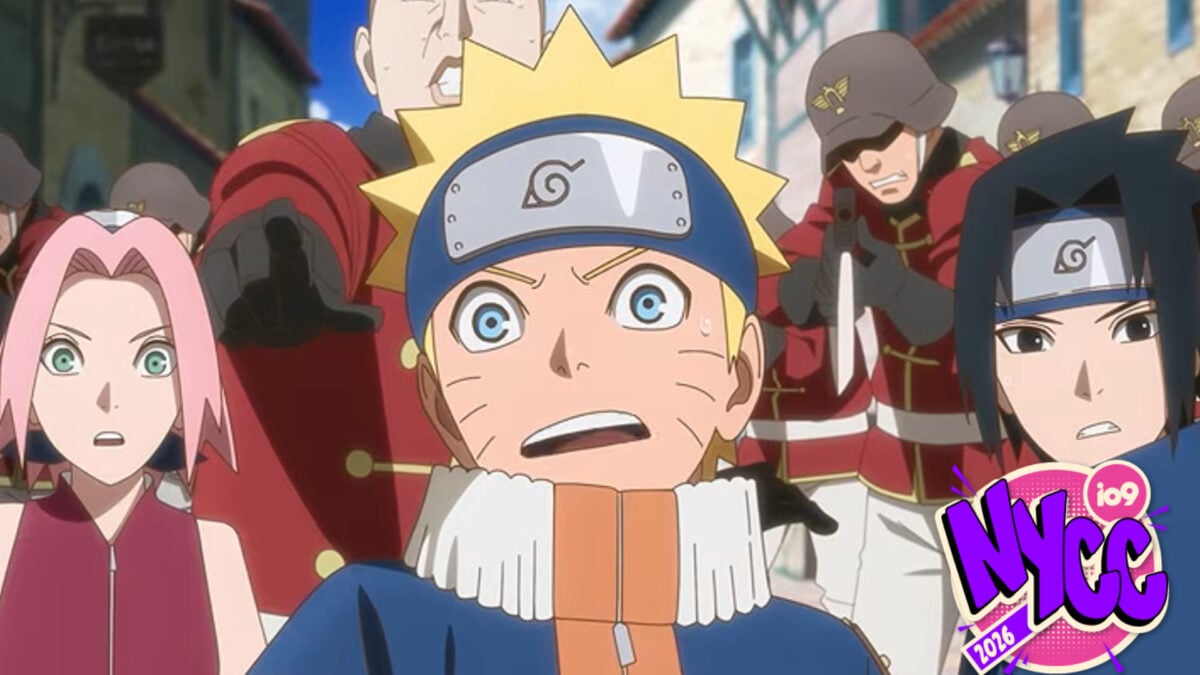
The Naruto Revival Is Bigger Than Nostalgia
The announcement came at New York Comic-Con, but the implications extend far beyond a convention panel. Shueisha is entering a new chapter of the Naruto franchise — one that signals a calculated shift in how Japan’s largest manga publisher treats its aging intellectual property in an era where audience attention is fragmented and original breaks are rarer.
A new manga titled Shadow Rising will arrive in 2027, written and drawn by Masashi Kishimoto himself. Set around the time Naruto assumes the role of Hokage, it reunites Sasuke, Sakura, and Kakashi for what the trailer suggests is a confrontation with a previously unseen threat. Alongside it, a crossover anime with Koji Kiriyama’s Ninku — another shonen series with a dedicated but smaller fanbase — is in development at Studio Pierrot, supervised by both creators. It drops Team 7 from their early days into Fusuke’s world, a 12-year-old martial artist whose fighting style blends kung fu and traditional Japanese combat.
On the surface, this looks like a nostalgia play. It isn’t. It’s a strategy session disguised as fan service.
Who Wins When a Legacy Franchise Reboots
The obvious winner is Shueisha. The company has spent the better part of a decade watching its flagship titles age out of their commercial prime while simultaneously losing ground to digital-native competitors. Weekly Shonen Jump itself, the magazine that launched Naruto in 1999, has seen circulation fall below 1 million for the first time in its history. Original properties take longer to develop, cost more to sustain, and carry higher risk. A proven IP like Naruto offers a compressed path to revenue across multiple formats — print, anime, merchandise, gaming, and now live-action.
Kishimoto is the other clear beneficiary. Returning to his most famous creation at this stage of his career cements his legacy while providing a financially lucrative second act. His involvement as both writer and artist on Shadow Rising, rather than handing off to a ghost creator, suggests he’s treating this as a personal project — which, in the manga industry, is almost always a signal of quality and commitment.
Studio Pierrot also benefits from having two projects in its pipeline rather than one. The studio, best known for Naruto and Bleach, has struggled to maintain consistent output in recent years. Both projects draw from properties it already understands and has existing production relationships with.
The Anime Production Bottleneck Nobody Is Talking About
Here’s what English-language coverage is missing: the anime industry is operating at a production bottleneck that makes projects like the Ninku crossover particularly significant.
Japan’s anime production committees face chronic capacity constraints. There are only so many animation studios, so many mid-level animators, and so many finishing hands available at any given time. When a major franchise like Naruto greenlights two simultaneous anime projects — even at different stages of development — it signals that Shueisha is willing to commit studio resources to its older IPs rather than letting them sit in dormancy.
The Ninku crossover is notable not just for the partnership but for what it represents: a younger or lesser-known shonen title being elevated through association with an established franchise. Ninku, Kiriyama’s 1990s series, has a cult following but never achieved the commercial heights of Naruto. This crossover is essentially a transmission belt — moving audience traffic from a proven IP to one that Shueisha wants to revitalize.
It’s a tactic the industry has used before. Dragon Ball and One Piece have both seen similar cross-pollination strategies. What’s different now is the pace. Two major Naruto projects in development at once compresses timelines that would previously have stretched across a decade.
The Live-Action Wild Card
Destin Daniel Cretton’s involvement in the Naruto live-action film is worth watching closely. The Pacific Rim: Resistance director described Naruto as “the character who might normally get sidelined as a sidekick” — a reading that reveals something about how Western audiences have received the franchise.
Cretton’s attachment suggests Amazon or Sony (depending on licensing negotiations) is treating this as a prestige adaptation rather than a generic action film. That changes the economics significantly. A prestige live-action can command higher licensing fees, longer theatrical windows, and more substantial marketing spend — all of which flow back to Shueisha and Pierrot.
The fact that Cretton wasn’t at the NYCC panel but sent a video message is a detail worth noting. It suggests the live-action is still in earlier development stages, which means there’s time for creative missteps or studio interference before it reaches screen. For fans, this is both a reassurance and a warning.
What Global Fans Should Expect
Western fans who grew up with the original Naruto anime — the one that ran for over 500 episodes and introduced millions of people to Japanese animation — should brace for a different kind of experience.
Shadow Rising arrives in 2027, which means it will likely begin serialization before the anime adaptation is announced. For fans accustomed to the long gap between manga publication and anime release that characterized the original series, this timeline compression is unusual. Shueisha appears to be playing the long game: establish the new manga, build audience engagement through print and digital channels, then convert that momentum into anime and merchandise revenue.
The Ninku crossover anime doesn’t yet have a release window. Given the production bottlenecks mentioned above, it’s reasonable to expect it will arrive closer to 2027 as well — potentially alongside or shortly after the manga launches.
What global fans should understand is that this revival isn’t simply a revisit of familiar territory. It’s an expansion of the Naruto universe into adjacent IPs, formats, and demographics. The franchise is being repositioned from a completed story into an ongoing platform — one that can absorb new creators, new formats, and new audience segments without relying solely on Kishimoto’s original narrative.
The Bigger Picture for Shueisha
The Naruto revival is part of a broader pattern. Shueisha is systematically extending the commercial lifespans of its legacy properties — Bleach, Yu Yu Hakusho, and now Naruto — while simultaneously launching new properties that carry less institutional weight. This dual strategy addresses a structural problem: original manga takes years to develop and no guarantee of success, while legacy IPs offer predictable returns but capped upside.
The smart move is to treat legacy IPs as infrastructure rather than finished products. Shadow Rising and the Ninku crossover represent exactly that — infrastructure for future stories, merchandise lines, gaming adaptations, and cross-media extensions.
For fans, the question isn’t whether these projects will be good. The question is whether Shueisha can sustain this approach without exhausting the very properties it’s trying to preserve. Naruto worked because Kishimoto had a clear ending. A franchise that never ends risks becoming a franchise that means nothing.
The 2020s are going to be very interesting for the world of shonen manga. Just don’t expect Naruto to stay finished for long.