Naver Is No Longer Just a Tech Company — It's an Energy Producer
Naver's shift from power-purchase agreements to direct equity stakes in renewable energy signals a structural transformation in how Asia's biggest platforms are securing the electricity their AI ambitions require. The ripple effects reach far beyond the data center.
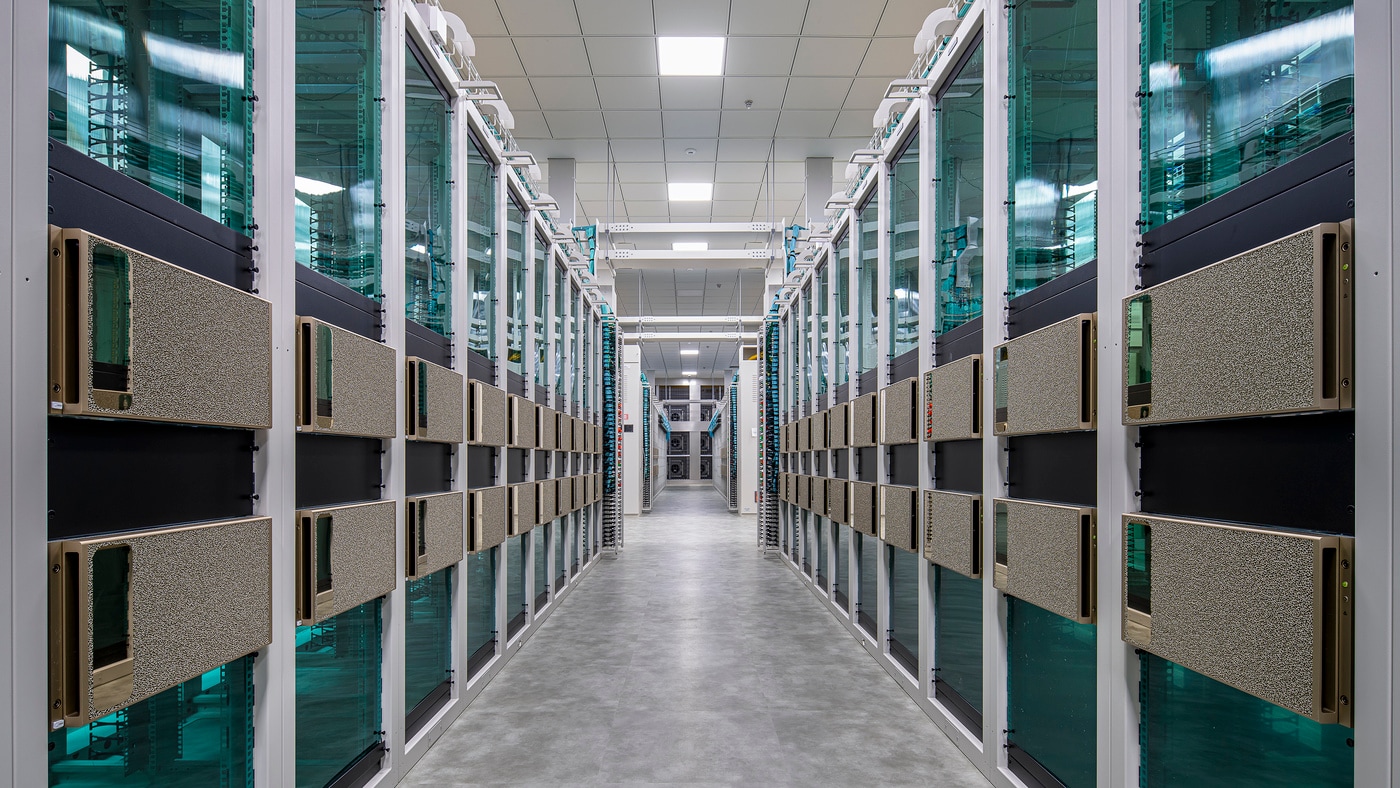
The real asset isn’t GPUs — it’s gigawatts
Naver’s decision to buy a 30 percent stake in a wind farm being built in North Gyeongsang Province looks like a standard corporate sustainability move on the surface. A tech company locking in clean power for its data centers — predictable, even banal. But read the transaction closely and something else surfaces. Naver has crossed a threshold.
Until now, the company relied on power purchase agreements: long-term contracts to buy electricity from independent generators. That model transferred generation risk to someone else. The April deal with GS Wind Power changes the calculus. Naver isn’t just buying electrons anymore — it owns part of the machine that produces them.
The Yeongyang wind project, under construction by GS, will generate roughly 180 gigawatt-hours annually when it reaches commercial operation in the first half of 2028. Naver’s 25-year PPA attached to that equity stake essentially pre-commits a significant share of that output to its Gak Sejong and Gak Chuncheon data centers. The contract locks in price and supply certainty for a quarter-century — a horizon that would have been unthinkable for a tech company even five years ago.
Why Naver can’t afford to wait
The urgency is written in the numbers Naver released in its 2025 ESG integrated report. Electricity consumption at its hyperscale data center in Sejong is projected to triple by 2040. That’s not a vague forecast rooted in hope — it tracks directly from the company’s AI infrastructure expansion, fueled by a combined $10 billion investment from NVIDIA and Brookfield to build what Naver calls a “gigawatt-class AI factory.”
GPU servers consume far more power than the CPU machines they replace. They also demand more cooling. Every additional teraflop pulled from a data center comes with a compounding energy tail. The math doesn’t allow for hedging later. Power shortages or volatile spot prices in a tightening grid would directly throttle AI training throughput, which is where the competitive race is being decided right now.
Naver’s own report flagged the risk explicitly: unpredictable shifts in international energy markets, combined with rapidly rising demand from AI facilities, could make long-term power costs unmanageable if the company stayed on its previous procurement path.
Korea’s grid doesn’t have spare capacity
This is the detail English-language coverage of Asian tech usually glosses over. South Korea’s electricity grid is already under strain. The country’s 2029 target of 46 percent renewable energy in its power mix is ambitious, but the transition infrastructure — transmission lines, grid balancing, storage — is lagging behind demand growth. New data centers, especially concentrated in the Sejong and Chungcheong corridor where Naver operates, add load precisely where the grid is most constrained.
Naver moving from PPA to equity ownership is partly a response to that constraint. When generation assets are scarce and permitting takes years, owning a stake in a project under construction is faster than negotiating with a generator who may not have spare capacity to commit. It’s also a hedge against the very real possibility that renewable power premiums increase as more hyperscalers compete for the same green electrons across Asia.
Who wins, who loses
GS Wind Power benefits immediately — a anchor tenant with a 25-year commitment makes the Yeongyang project far easier to finance. Naver gains supply certainty and a potential equity upside if the plant’s output value appreciates. The Sejong data center gets dedicated green power. That’s the clean narrative.
But there’s a less flattering dimension. When a single private company can lock up significant generation capacity for decades, it effectively removes that capacity from the broader market. Smaller consumers — households, smaller businesses — don’t have the bargaining power to compete for long-term PPAs of this scale. There’s a quiet displacement happening here: hyperscalers securing future grid capacity that, in a tighter system, would otherwise feed general demand.
Korean regulators and the Electric Power Industry Development Act framework will need to decide whether large-scale corporate renewable equity stakes are a necessary adaptation or a structural problem. No clear answer exists yet.
A pattern, not a one-off
Naver isn’t alone. Google, Meta, Amazon, and Microsoft have all signed massive renewable PPAs in recent years. But Naver’s step into direct generation equity — rather than simply extending another PPA — signals that the easy deals are behind these companies. The low-hanging fruit of off-take agreements from new builds is getting picked. What remains requires capital deployment into asset ownership, which means tech companies are becoming de facto energy investors.
That shift has implications that go beyond any single company’s balance sheet. It means platform firms now have skin in the generation mix, influence over which projects get built, and exposure to energy commodity cycles that previously belonged to utilities. It also means their carbon profiles are no longer outsourced to suppliers — they’re directly tied to whether the wind blows in North Gyeongsang Province.
What happens next
Expect Naver to diversify further, as it has outlined: solar, wind, hydro, self-generation, renewable energy certificates, and equity stakes. The Yeongyang wind farm is a foothold, not a strategy. The company’s report explicitly frames this as a multi-pronged approach, and that language should be taken literally.
Watch for additional generation acquisitions over the next 18 months. Naver now has the organizational appetite and the capital commitment from Brookfield to make larger moves. The $10 billion NVIDIA-Brookfield partnership is sized for infrastructure-scale bets, not just chip procurement.
Also watch Korean energy policy. If hyperscalers continue acquiring generation assets at this pace, the country’s energy regulator will face pressure to address how priority access to renewable output interacts with national grid planning. The current framework wasn’t designed for a world where a search engine company is making quarter-century bets on wind farms.
The story here isn’t that Naver is going green. It’s that Naver is learning what every industrial consumer eventually discovers: in an AI-driven economy, energy security isn’t a sustainability footnote. It’s the bottleneck.