Nintendo's Kirby Play: Why a Pink Puffin Matters in the Switch 2 War
Nintendo's announcement of a new Kirby title for Switch 2 signals a strategic move to leverage beloved franchises for hardware adoption. This shift could reshape console competition by targeting a broader, family-friendly audience.
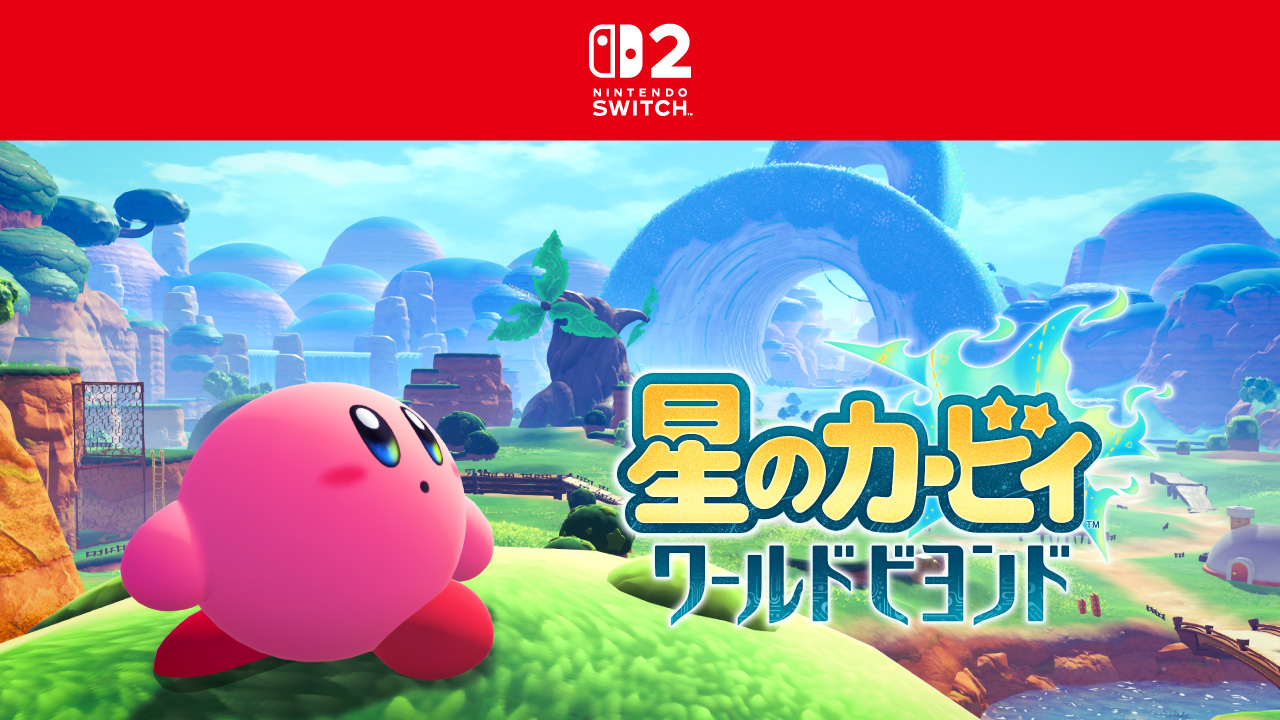
The Pink Puffin’s Strategic Weight
When Nintendo announced Star Fox 2 remake rumors, the internet erupted. Now, with Kirby: World Beyond set for Spring 2027, a quieter revolution is unfolding. This isn’t just another franchise installment; it’s a calculated move in Nintendo’s Switch 2 playbook. While competitors chase 4K graphics and narrative depth, Nintendo is doubling down on accessibility, charm, and a beloved pink hero who appeals to kids, casual gamers, and nostalgic millennials alike. The timing is no accident. With the Switch 2 launch window approaching, every first-party announcement carries outsized weight, and Kirby’s return signals Nintendo’s intent to win hearts before it wins horsepower arguments.
Leveraging Beloved Franchises for Hardware Adoption
Nintendo has long used its first-party IPs as hardware anchors. Mario drives console sales, Zelda offers epic adventures, and Pokémon fuels mobile and social engagement. Kirby, however, occupies a unique niche. Globally recognized, especially in Asia, Kirby represents Nintendo’s commitment to inclusive, low-barrier gaming. With World Beyond showcasing enhanced copy abilities and 3D exploration, Nintendo aims to refresh a franchise that’s been around since 1992, capitalizing on its 35th anniversary.
This strategy extends beyond mere game releases. It’s about building an ecosystem where hardware and software reinforce each other. By timing World Beyond for the Switch 2 launch window, Nintendo ensures that owners have an immediate, engaging experience that highlights the console’s capabilities without demanding pro-level skill. It’s a masterstroke in widening the audience. The copy ability system, now expanded with over thirty abilities including newly teased elements like Shadow and Metal, gives players a tactile reason to pick up the new controller layout and test the hybrid functionality built into the next-gen hardware. Second-order effects include increased peripheral adoption—players drawn in by Kirby are more likely to purchase themed Joy-Cons and accessories, creating a revenue stream that extends well beyond the game itself.
The Global Market Dynamics: Nintendo vs. Sony and Microsoft
Sony and Microsoft are investing heavily in cinematic exclusives and live-service models, targeting core gamers willing to pay premium prices. Nintendo’s approach flips this script. By focusing on franchises like Kirby, Nintendo attracts families, casual players, and international markets where hardware accessibility is key. This could shift market share, especially in regions like Europe and Asia, where portable and hybrid consoles are popular.
Consider the demographic data. In Japan, Kirby consistently outperforms many traditional action titles, and that soft power travels. European families, particularly in the UK and Germany, have shown sustained interest in hybrid-console lifestyles post-pandemic. Meanwhile, North American households are increasingly prioritizing co-op experiences that don’t require hours of grinding or competitive matchmaking. Kirby’s single-player and local multiplayer focus aligns perfectly with this trend. Moreover, Kirby’s cross-generational appeal mitigates the risk of relying on a single franchise. While Mario is evergreen, Kirby offers a flexible canvas for innovation—something World Beyond’s open-field exploration promises. This diversification strengthens Nintendo’s position against competitors who may face fatigue from annualized blockbusters. The ripple effect is visible in retail: Target and GameStop have already expanded their Nintendo Display walls, a signal that they see Kirby and company as traffic drivers, not mere shelf fillers.
Who Wins, Who Loses, and What Happens Next
Nintendo wins by securing a broader install base, reducing dependency on hardware upgrades alone. Consumers gain more accessible, high-quality games that don’t require expensive peripherals. Competitors like Sony and Microsoft may see pressure in the casual segment, forcing them to reconsider their target demographics.
The loss side of this equation is nuanced. Third-party developers who have bet heavily on the “core gamer” profile may find their audiences shrinking relative to Nintendo’s expanding base. Publishers like EA and Activision have already noted softening demand for traditional sports and shooter titles among younger demographics. Meanwhile, indie developers could benefit from a platform that doesn’t demand cutting-edge specs—Nintendo’s historical willingness to support lower-power development means a vibrant indie scene will follow in Kirby’s wake. Looking ahead, expect a wave of first-party announcements leading up to Switch 2’s launch, each designed to showcase different facets of the platform. A racing title for the family demographic, a puzzle game for the train-commuter, a combat-focused entry for the action crowd—each piece reinforces the whole. Other publishers might pivot towards cross-platform releases or unique experiences that Kirby can’t provide. Meanwhile, Nintendo’s merchandise and anniversary promotions will reinforce brand loyalty, creating a feedback loop that sustains hardware sales. Merchandise alone, which generated over $2 billion globally for Nintendo in fiscal 2024, will see a renaissance as limited-edition Kirby figures, clothing lines, and home goods hit shelves alongside the console.
Conclusion: The Bigger Picture for Console Wars
Kirby: World Beyond isn’t just a game; it’s a statement. Nintendo is betting that charm, accessibility, and franchise heritage can compete with graphical prowess and narrative ambition. In a market saturated with hyper-realistic titles, this approach could carve out a sustainable niche, proving that sometimes, a pink puffin can do more than float—it can steer the industry. The true victory won’t be measured in teraflops or download numbers alone. It will be measured in living rooms where a parent picks up a controller for the first time in years, in schools where kids trade copy-ability tips during recess, and in the quiet confidence of a company that knows its audience better than anyone else. That is the Kirby effect, and it may be the most dangerous weapon in Nintendo’s arsenal.