One Piece x Nike Proves Anime IP Is the New Luxury Playbook
Nike's One Piece Devil Fruit collection isn't just another anime collab. It's evidence that shonen IP has become a legitimate lifestyle engine—and the sneaker world's next frontier.
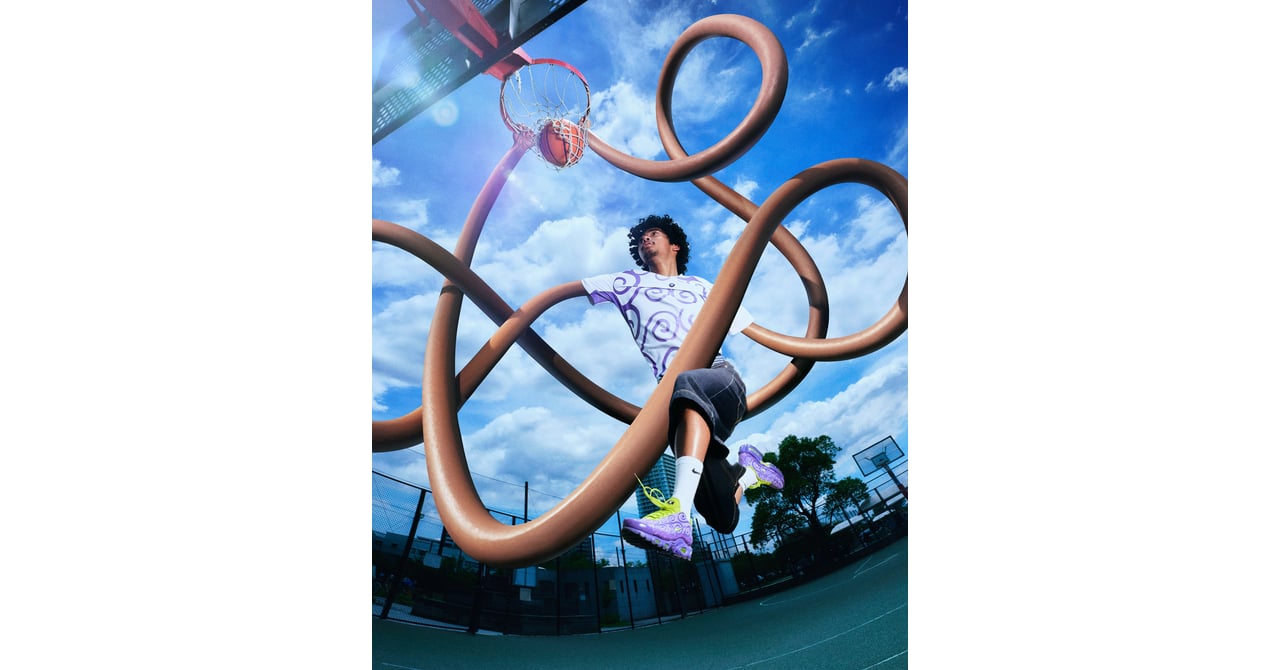
The Devil Fruit Formula
Nike just released a collection that turns cartoon superpowers into sneaker design. On the surface, it looks like merchandise for people who watch anime. Look closer and it is something else entirely.
The One Piece x Nike Air Max Plus collection drops three Devil Fruits—Gomu Gomu no Mi, Ope Ope no Mi, and Mera Mera no Mi—as wearable design languages. Each shoe is priced at 27,500 yen. Matching Nike SS Jersi runs 14,300 yen. A graphic tee inspired by the show runs 9,680 yen. Another, featuring what Nike calls its own advertising-style reinterpretation of manga artwork, hits 6,930 yen. There is even a Nike Best priced at 45,100 yen, conceptually pulled from the one rule that governs every Devil Fruit user: eat it and you lose the ability to swim.
The price points sit firmly in sneaker-head territory. The concept sits firmly in shonen-fan territory. The collision between those two worlds is where the actual story lives.
Why This Is Not a Merch Drop
Most anime collaborations live inside the merch economy. You buy the shirt because you like the character. You wear it because it signals fandom. That is a closed loop.
This collection operates differently. Nike has not simply printed Luffy’s face on a shoe. It has translated a fictional power system into material design decisions. The Gomu Gomu no Mi collection plays with stretch and elasticity in the upper construction. The Mera Mera no Mi model uses heat and flame as a visual narrative woven into colorway and texture. The Ope Ope no Mi iteration treats space and surgical precision as a design problem. That is translation, not licensing.
Translation takes more creative labor. It also creates longer brand memory. When someone sees a shoe that references a concept they understand from the source material, they do not just see a collaboration. They see a conversation between two cultures that share the same reference point.
Who Actually Wins Here
One Piece is the longest-running shonen franchise in modern publishing history. The manga has been serialized since 1997. The anime has crossed a thousand episodes. The global fanbase numbers in the hundreds of millions. But anime fandom in Japan has historically been siloed from mainstream fashion circuits. Fans bought merch. Fashion buyers bought sneakers. The two groups rarely overlapped inside retail space.
Nike is deliberately breaking that wall. By anchoring the collection around the Air Max Plus—a silhouette with legitimate streetwear credibility rather than a generic lifestyle base—Nike signals that this collab belongs in the same conversation as previous high-signal partnerships. The Devil Fruit framework gives the design team a structural constraint that mirrors how luxury brands use heritage codes. It is a contained universe with internal rules. Designers work inside those rules. The result feels authored rather than stamped.
For Eiichiro Oda’s estate, the win is equally clear. This reaches consumers who will never pick up a volume of One Piece but will buy a pair of Air Max Pluses. It converts casual耐克 shoppers into potential anime fans through the back door of design appreciation. That pipeline does not exist with most licensing deals.
The Pop-Up as Performance
The retail execution reinforces the conceptual approach. Nike opened “Dr. B’s RESEARCH LAB” in Harajuku from September 4th through 6th, located in the basement of Harajuku Quest. Entry and purchases required winning a pre-draw lottery for the shoes. That restriction alone signals scarcity strategy, not fan-service generosity.
Shoe sales then moved to Nike Umeda in Osaka on September 12th, with a special early entry window at 8:30 a.m. for lottery winners before the store opened at 11:00. The Umeda location carries the Mera Mera no Mi lineup across shoes, apparel, and caps. Harajuku offered Nike By You personalization for nine custom T-shirt designs running September 4th through 11th. Umeda ran the same program September 12th through 18th.
This is not a pop-up designed for maximum accessibility. It is designed for maximum desire. The lottery system, the limited windows, the city-specific inventory splits—all of it creates a choreography that makes the product feel earned rather than consumed. That feeling is the entire value proposition of contemporary sneaker culture.
What Comes Next
The real question is whether this collaboration model can scale beyond One Piece. The answer depends on whether other IP holders are willing to let Nike operate at this level of interpretive freedom. Most franchises guard their visual identity with legal precision. They want logos placed correctly, colors matched exactly, nothing derivative. That approach protects brand integrity. It also produces the merch-loop result that this collab deliberately escapes.
The Devil Fruit framework suggests a different path: give designers a rule set from the source material and let them solve design problems inside it. Not every franchise has a system as visually generative as Devil Fruits, but many have underlying logic—power hierarchies, color codes, world-building constraints—that could serve the same function.
If Nike pursues this pattern with other major IPs, the result would look less like a series of themed releases and more like a new category of collaborative footwear: intellectually grounded rather than visually superficial.
The Bigger Frame
Japan’s soft power exports have always traveled through media. Anime, manga, video games—these reach audiences globally without requiring language fluency. Fashion has been slow to recognize that these properties carry the same translational potential as traditional luxury heritage assets. A Ferrari badge means something because of engineering lineage and visual code. A Devil Fruit means something because of narrative lineage and visual code. The mechanism is identical. Only the cultural hierarchy has treated them differently.
Nike is removing that hierarchy. The One Piece collab does not ask consumers to choose between being a sneaker person and being an anime fan. It asks them to bring both sensibilities to the same object. That is the definition of lifestyle branding at the highest tier.
Whether this collection sells out remains to be seen. The lottery system suggests Nike expects it to. What is already visible is that the strategy behind it belongs to a different generation of IP collaboration than anything that came before.