Ovechkin’s Putin Ad Is a Political Lightning Rod
Alex Ovechkin appeared in a campaign ad backing Vladimir Putin’s United Russia party, reigniting debate over whether global sports icons can divorce their political endorsements from their athletic legacies. The Capitals say it won't affect his season — but the hockey world may not see it that way.
A Goal Record Shines, but Not Brightly Enough to Outpace the Controversy
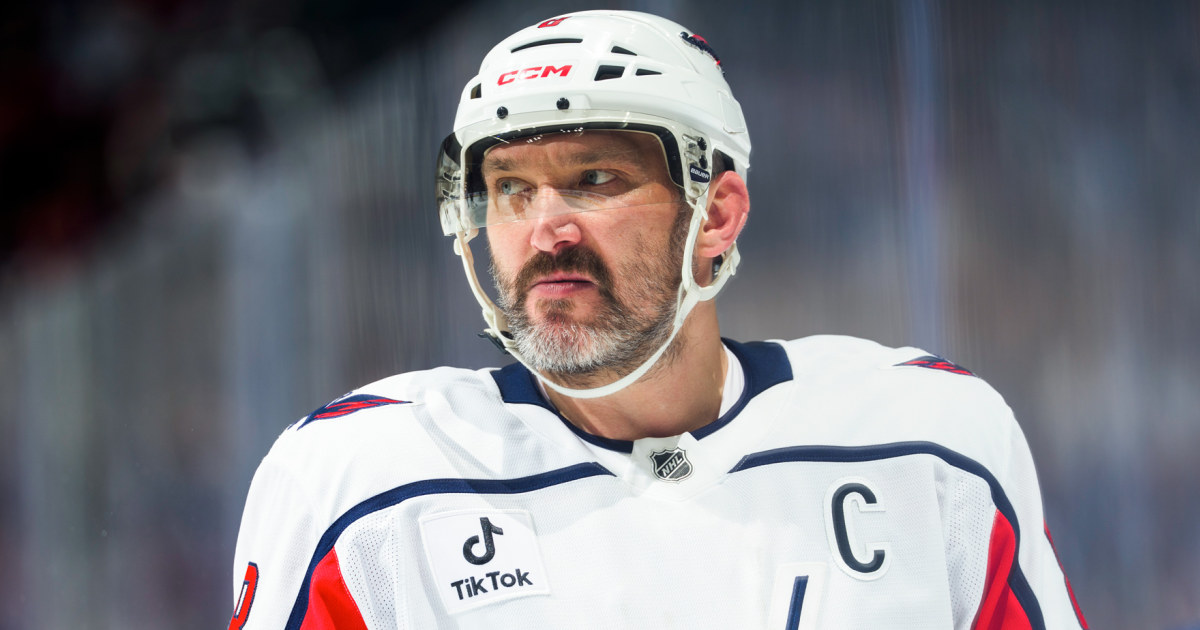
Alex Ovechkin is the NHL’s all-time leading goal scorer. He holds the record that Wayne Gretzky held for over two decades — 929 markers in 21 seasons, all in a Capitals uniform. On ice, he is untouchable. Off it, he just walked into one of the most politically charged incidents a North American athlete can find himself in this year.
The ad dropped this week. It shows Ovechkin standing shoulder to shoulder with Russian Foreign Minister Sergey Lavrov and retired Detroit Red Wings defenseman Viacheslav Fetisov, publicly declaring support for Vladimir Putin’s United Russia party. Ovechkin, 41, turns 41 this week. He has been a Russian citizen living in Moscow during the offseason for years. But this time, the Kremlin didn’t just ask him to show up — it asked him to endorse its ruling party on camera, alongside the regime’s most recognizable faces.
The Washington Capitals moved quickly to distance themselves. “This summer, while in Russia, he was asked by his country to participate in a video campaign,” team spokesman Sergey Kocharov said. “His focus and ours is on the season ahead.”
Translation: nothing changes on the ice. But nothing stays the same here.
Why This Isn’t Just Another Celebrity Endorsement
Most athletes who venture into politics do it at home, on their own terms, on issues they choose. Ovechkin’s endorsement wasn’t incidental. It was state-directed. Russia has been calling on its expatriate celebrities — particularly those who rose to fame in Western leagues — to lend legitimacy to the regime since the invasion of Ukraine began in February 2022. Lavrov’s presence in the ad is the tell. The Foreign Minister doesn’t appear in celebrity commercials unless the Kremlin wants the world to understand who is orchestrating the message.
Ovechkin isn’t a newcomer to this. In 2017, he launched the “Putin Team” social movement, positioning himself as a bridge between Russian sporting greatness and the Kremlin. At the time, many Western fans dismissed it as patriotic fervor or naive nationalism. Now, with over 250,000 Russian soldiers and up to 100,000 Ukrainian soldiers dead, and nearly 14,000 Ukrainian civilians killed, the calculus looks very different.
The ad doesn’t just say “I support Putin.” It says: I stand with the man who ordered this war, beside the man who represents it diplomatically, alongside another NHL alum who has long aligned himself with Moscow’s political project.
Dominik Hašek Draws a Line
Former NHL goaltender Dominik Hašek didn’t mince words after the ad surfaced. The Czech-born Hall of Famer posted a photo on X circling Ovechkin’s face among the campaign supporters and wrote: “Because of each of them, many Ukrainians and Russians will be killed.”
Hašek, who played nine seasons with the Buffalo Sabres, has been one of the most consistent NHL voices opposing the Putin regime. His statement carries particular weight because he lived under Soviet rule and chose to defect — a decision that cost him years of earnings and nearly ended his career before it truly began.
Ovechkin chose the opposite path: stay, embrace the spotlight the regime offers, and wear it publicly. That choice matters because athletes like Ovechkin aren’t just individuals — they’re symbols. For millions of Russians, especially younger fans who grew up watching him dominate the NHL, he represents something bigger than hockey. He represents Russia on the world stage. When he endorses the Kremlin, he amplifies it.
Who Wins, Who Loses
The Kremlin wins. It gets a globally recognized athlete standing beside its foreign minister, endorsing its ruling party, to an audience that likely includes Russian citizens who still believe the war is justified or that the West is inflating the death toll. Even if the ad’s primary viewership is domestic, the image radiates internationally — exactly the effect state media wants.
Ovechkin loses credibility among fans who separate sport from politics. Not because he has a right to hold political views, but because he chose the moment and the messenger. Endorsing United Russia while Lavrov — the face of Russian aggression abroad — stands beside him is a political statement that can’t be unmade.
The Capitals neither gain nor lose in any operational sense. Kocharov’s statement was carefully calibrated: acknowledge the ad, deflect responsibility, pivot to the season. That’s the standard corporate playbook when a player’s off-ice actions become inconvenient. The team opens training camp Thursday and faces the defending Stanley Cup champion Carolina Hurricanes on October 2. The schedule doesn’t pause for geopolitics.
What Happens Next
Ovechkin will play. He always will — at least until his body says otherwise. But the question isn’t whether he plays; it’s how he’s received. European crowds, particularly in Scandinavia and Central Europe, may boo him more noticeably this season. Casual fans who followed him for his goals and his grit may recoil. Younger Russians who idolize him will likely double down.
The NHL itself is unlikely to take formal action. The league has a long history of staying neutral on political endorsements, even as individual players and teams face pressure to pick sides. But neutrality isn’t innocence. By refusing to comment, the NHL implicitly accepts that Ovechkin’s political appearances are his alone — and that the league benefits from his talent without bearing responsibility for his choices.
Ovechkin’s record won’t be touched soon. No one is close to 929 goals. But records don’t insulate legacy from context. Gretzky’s number hangs in every arena because he transcended controversy. Ovechkin’s may hang in Capital One Arena one day — but the debate over what he stands for off the ice will outlast whatever numbers he leaves behind.
The season starts Thursday. The ad will linger.