Romancing SaGa 3 Remake Is The Switch 2 Launch Game Nobody Expected
A 30-year-old JRPG remake, announced during the same Nintendo Direct as the P-P rhythm game, is quietly becoming a foundational pillar of Switch 2 software strategy. Here's why a nostalgia play could matter more than any exclusive.
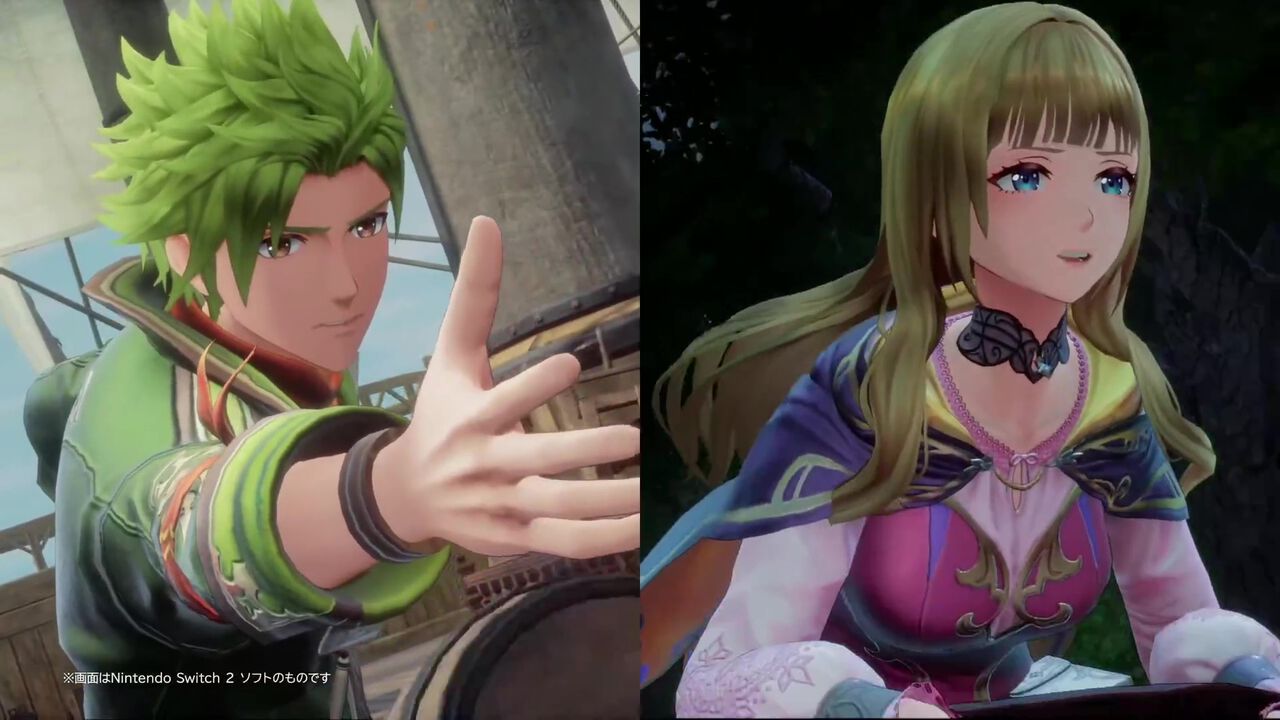
A thirty-year-old RPG is the software bet Square Enix didn’t tell you about
The Nintendo Direct on September 9th, 2026 didn’t lead with its most consequential announcement. The headline act was a rhythm-adventure game called Step Theater, developed by someone known online simply as P-P, releasing December 3rd for Switch. That story was cute and worth noting. But buried in the same presentation, almost as an afterthought, was a far more architecturally significant reveal: a full remake of Romancing SaGa 3, originally released in 1995, arriving February 16th, 2027 for Switch 2 alongside Switch, PS5, Xbox Series X and S, Xbox One, PC, and Steam.
The title has been rechristened Romancing SaGa 3: Destiny United. It features eight distinct protagonists whose separate narratives converge around a single story of so-called children of destiny. The remake rebuilds the game in three dimensions, fully voices every event scene, reconstructs the battle system, adds selectable difficulty, and introduces two new mechanics described as flash of insight, where characters learn techniques mid-combat, and link techniques, cooperative moves between allies. Steam launches the day after on February 17th.
This is not a footnote. It is a signal.
The hardware launch game problem nobody wants to discuss
Nintendo Switch 2 needs software. Not just any software. It needs software that demonstrates what the new machine can do, that justifies the upgrade for a cautious install base, and that arrives within days or weeks of launch rather than months. The usual candidates are exclusive first-party titles and marquee third-party franchises. Japan-based publishers like Square Enix hold particular weight here because their catalog is historically dense, emotionally resonant, and disproportionately valuable to the domestic market where hardware sales convert fastest.
A thirty-year-old RPG remake occupies a strange commercial position. It will never match the hype cycle of a new IP or a major sequel. But it does something equally important for a launch window: it provides content that feels substantial, that carries franchise credibility, and that can be delivered on a realistic production timeline. The Switch 2 version launches less than six months after the Direct. That velocity suggests Square Enix had a remake ready or nearly ready, and Nintendo had a slot that needed filling.
The broader pattern is already visible. The same Direct that announced the Romancing SaGa 3 remake also revealed a King of Fighters World of Warriors title for Switch 2, releasing October 22nd, with a special costume for a character named Mai Shiranui as a pre-order bonus. These are not casual announcements. They are coordinated fill-ins for a launch library that otherwise faces a dangerous gap between hardware availability and compelling software.
What the retro-revival actually is
The current wave of Japanese retro remakes is frequently dismissed as nostalgia mining. That framing is too simple. What we are watching is an industry recalibrating its relationship with its own back catalog under new economic and technological conditions. Square Enix has been particularly aggressive in this space, rebuilding older RPGs with modern graphics, voice acting, and quality-of-life improvements that make them accessible to players who grew up elsewhere or never encountered the originals at all.
The SaGa series itself has a complicated history in English-speaking markets. It never achieved the global penetration of Final Fantasy or Dragon Quest, but it cultivated a devoted following through branching narratives, permadeath mechanics, and open-ended storytelling that felt unusually mature for mid-nineties console RPGs. A remake that preserves those structural ambitions while wrapping them in contemporary presentation is not merely sentimental. It is an act of cultural translation, bringing a specific Japanese design philosophy to audiences who were never served by the original release.
The eight-protagonist structure of Destiny United is particularly significant. Each character offers a distinct perspective on the same central narrative, a design approach that rewards multiple playthroughs and encourages players to engage with the story from angles that single-protagonist RPGs rarely attempt. In an era where player time is scarce and completion rates matter for word of mouth, this structure is commercially intelligent. It extends playtime without extending development budget disproportionately, because the narrative framework already exists. What changes is presentation, not foundation.
Who wins, who loses, and what happens next
Square Enix wins by monetizing an established IP on hardware that may otherwise struggle for third-party support at launch. The SaGa franchise wins by reaching a generation that would never have encountered it in 1995. Nintendo wins by securing a credible JRPG title for Switch 2 without funding its development outright. Players win if the remake respects the source material while making meaningful improvements rather than superficial visual upgrades.
The ones who lose are harder to identify, because this is not a zero-sum announcement. But the broader ecosystem does face a quiet risk: if retro remakes become the default strategy for managing legacy IP rather than building new worlds, the industry may gradually replace original Japanese game development with increasingly polished versions of older games. The SaGa remake is not evidence of that trend yet. It is a single data point. But it belongs to a pattern that deserves monitoring.
The Steam version launches a day after the console releases, which is unusual for a simultaneous multi-platform strategy and suggests platform-specific considerations may have delayed PC optimization. Whether this reflects technical constraints or deliberate release sequencing remains unclear.
February 16th, 2027, will tell us whether a thirty-year-old RPG can carry meaningful commercial weight in a new hardware generation. The announcement itself proves that Square Enix sees enough value in the project to commit resources. Whether that value translates into sales, critical attention, and sustained player engagement is the question the next seventeen months will answer. For now, the strategy is visible, the execution is underway, and the implications extend well beyond one remake.