Silent Hill: Townfall's first-person pivot is a franchise gamble worth taking
Konami's first fully first-person Silent Hill isn't just a visual reinvention — it's a signal about where the series, and the survival-horror genre, are heading next.
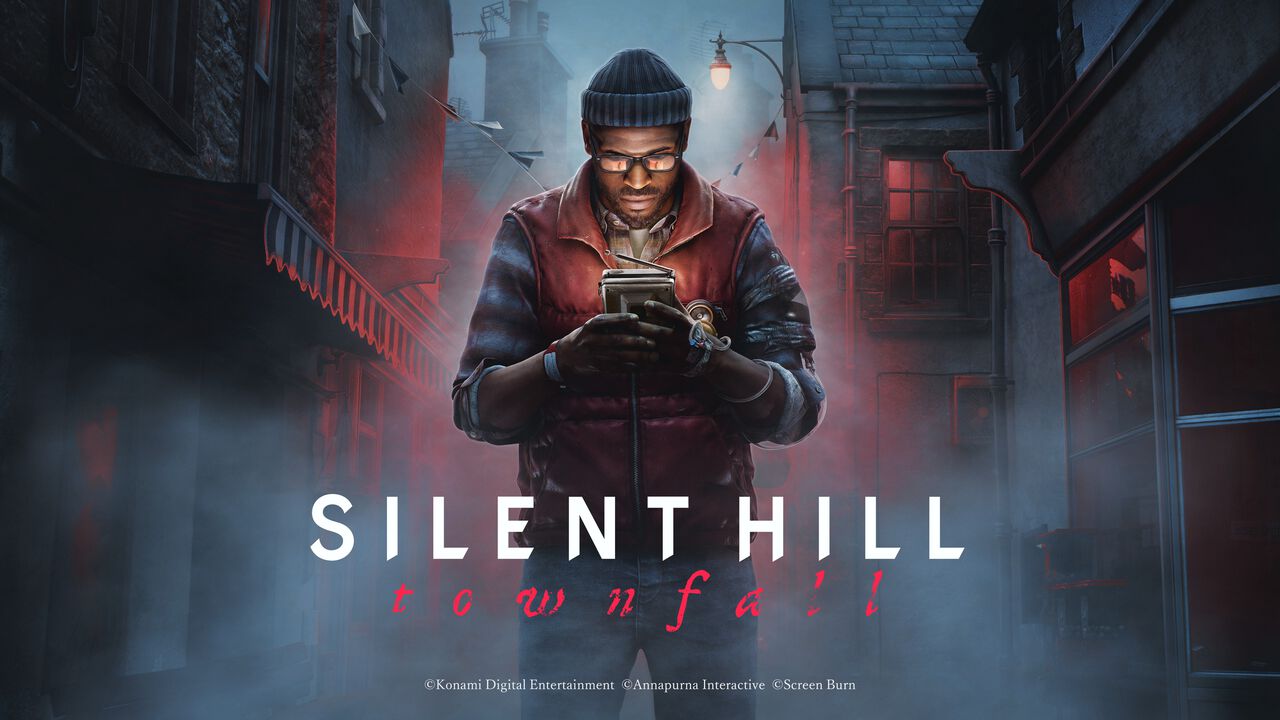
A corridor rather than a rearview mirror
Konami has spent the last decade proving it still owns the Silent Hill franchise. The Silent Hill 2 remake landed five nominations at The Game Awards in 2024. Its most recent original entry, Silent Hill f, swept the inaugural Japanese Horror Game Awards in 2026 and took Excellence at the Japan Game Awards the same year. By every metric that matters inside Japanese gaming media, the brand is healthier than it has been in years.
Townfall does not follow that health trend line.
Where previous full-length entries maintained the series’ signature third-person over-the-shoulder framing — a perspective that let players watch their avatar’s fear while also surveying the environment — Townfall commits entirely to first-person. For a franchise whose cultural DNA includes shadowy silhouettes retreating into fog and the camera hanging behind the protagonist’s back, this is not a cosmetic tweak. It is a structural rearrangement of how fear is delivered.
What first-person changes in a psychological horror game
First-person perspective in horror has a mixed pedigree. Resident Evil 7 proved it could work for visceral dread. Titles like Amnesia and Outlast carved niches. But Silent Hill was never about jump scares and vulnerability in the same register. Its terror has always been layered — environmental, psychological, symbolic. The third-person camera allowed players to see the monster and the protagonist’s reaction to it simultaneously. That gap between what you see and what your character embodies was part of the unease.
Townfall collapses that gap. You are no longer watching a protagonist navigate a nightmare. You are in the nightmare, through their eyes. The fog on St. Amelia island, a Scottish outpost at the center of the game’s story, rolls in and out of the same field of view the character experiences. Puzzles tie directly into narrative memory fragments rather than existing as standalone mechanics. Combat and evasion sequences exist but serve the atmosphere rather than the other way around.
The risk is real. Some fans worried the first-person pivot would flatten the series’ distinctive aesthetic language — the uncanny, the liminal, the deeply personal. The counterargument, one that early reception seems to support, is that first-person may actually deepen the psychological immersion the series has always aimed for. When the world speaks through your own vision rather than through someone else’s, the boundary between player and character thins in a way that fits Silent Hill’s obsession with subjective reality.
The market reads the signal
Konami’s stock reacted meaningfully to the launch window. The company has been rebuilding its reputation as a horror publisher under the Annapurna Games banner, and Townfall is the first major litmus test for that strategy. A well-received first-person Silent Hill validates a riskier creative direction. A weak reception would have forced Konami back toward safer territory — likely more remakes, fewer original entries in new formats.
The commercial setup matters too. The standard edition sits at 7,480 yen, the deluxe at 8,580 yen. The deluxe is digital-only; the package version covers standard only. That structure suggests Konami expects a significant portion of the audience to be digital-native collectors — a demographic more likely to embrace format experimentation than the traditional console collector base. The series has moved 17.8 million copies worldwide as of June 2026, a number buoyed heavily by the remake cycle. Townfall’s challenge is converting that goodwill into a new chapter rather than a nostalgia transaction.
What this means for survival horror beyond Silent Hill
Townfall’s most interesting implication may not be about Silent Hill at all. The survival-horror genre has been in a format conversation for years. First-person has dominated the indie space. Third-person persists in AAA through Resident Evil and its clones. Few major publishers have had the incentive to bridge the two for a flagship horror IP.
If Townfall succeeds — and early review signals point that way — it opens the door for other long-running franchises to reconsider their camera philosophy. BioShock’s first-person intimacy redefined its successor. The Last of Us proved third-person emotional storytelling could coexist with close-quarters horror. Neither occupied the exact middle ground Townfall now claims. Konami is effectively testing whether a major horror franchise can treat first-person not as a gimmick but as the default mode of engagement.
The broader genre implications extend past camera angles. Townfall’s integration of narrative puzzles with exploration suggests a model where gameplay mechanics are subordinated to psychological atmosphere — a reversal of the action-first design that has crept into many horror sequels over the past decade. If Japanese developers notice this working for a globally recognized IP, the next wave of horror releases may lean harder into atmosphere-as-mechanic rather than combat-as-atmosphere.
Who wins, who loses, what comes next
Konami wins if Townfall establishes first-person as a viable lane for the franchise’s future. The creative risk is rewarded. The stock reaction validates it. Annapurna Games gains credibility as a developer capable of steering a legacy IP into unfamiliar territory without losing its identity.
Skeptics lose less than they might fear. The first-person perspective does not eliminate the series’ symbolic layering or its commitment to psychological dread. It rechannels those qualities through a different lens. Players who preferred the third-person framing may feel alienated initially, but early indications suggest the conversion is not as painful as the pre-launch panic implied.
The genre loses nothing. In fact, it gains a template. First-person survival horror has existed on the margins for years. Townfall brings it to the center of a franchise with 17.8 million fans and a track record of critical re-evaluation. Whether this becomes a permanent shift for Silent Hill or a one-off experiment depends on how the game holds up beyond the launch window. But the conversation has already changed: first-person is no longer something horror games try occasionally. It is something a major franchise bet its next chapter on.
The Scottish island of St. Amelia will either prove that thefog of Silent Hill looks just as terrifying from inside a character’s eyes as it does from behind them — or it won’t. Either way, the series has stopped playing it safe.