How SpaceX's Earnings Are Reshaping Asian Markets
SpaceX's blowout quarter and Tesla merger talk sent Wall Street higher—but the real story unfolds in Korean pension desks and Japanese retail trading floors, where Musk's moves trigger second-order capital flows Western press barely notices.
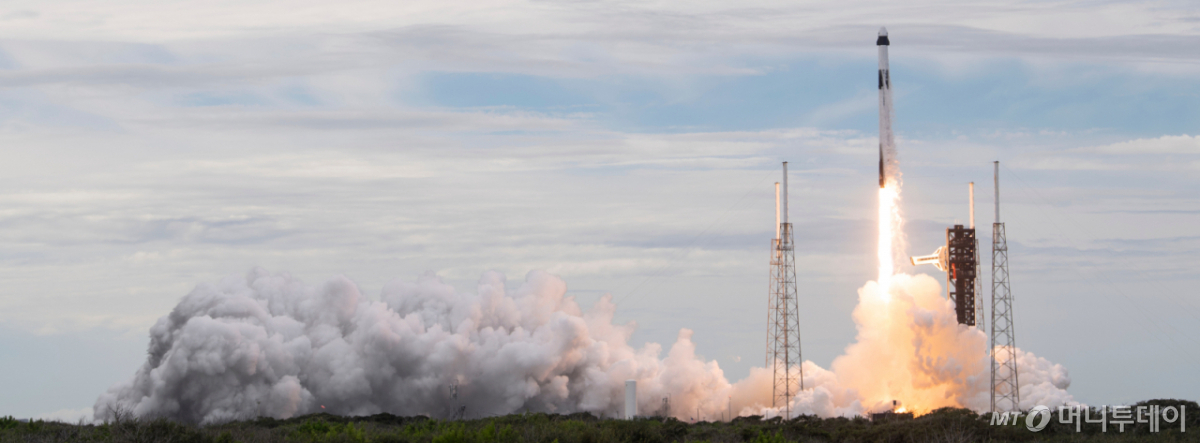
SpaceX’s Quarter, America’s Blind Spot
SpaceX reported quarterly results that beat market expectations. The shares jumped nearly eight percent. Elon Musk announced a special committee reviewing a potential merger with Tesla. Wall Street cheered. The S&P 500 added 44 points, the Nasdaq climbed over 270, and tech stocks rallied on the back of what analysts at Super Micro Computer confirmed: demand for AI infrastructure remains robust, and the revenue numbers to back it.
The closing print told only half the story.
What the American financial press misses—because it simply does not look there—is that SpaceX and Tesla are no longer American companies in any meaningful sense of capital allocation or shareholder geography. Their investor bases stretch across institutional desks in Seoul, trading floors in Tokyo, and retail options markets from Busan to Osaka. When Musk moves, the ripple effects travel first to East Asia, not Main Street.
The Korean Pension Question
Korea’s government employee pension service and national pension service collectively hold tens of billions in American growth equities. Space-focused and EV-linked positions sit inside those portfolios, often buried beneath broader technology or alternative asset categories. When SpaceX’s results exceed expectations, it triggers reassessment at the allocation level. Not because Korean pension managers suddenly care about rocket launches—but because the underlying revenue streams have shifted.
Starlink, SpaceX’s satellite internet division, now generates recurring revenue that looks less like venture-scale upside and more like telecom-scale predictability. For a pension fund evaluating risk-adjusted returns over twenty-year horizons, that distinction matters. A better-than-expected quarter reinforces the case for maintaining or increasing exposure. A miss would force rebalancing. This is the second-order effect that does not appear in American market commentary.
The Korean pension system allocates a portion of its portfolio to foreign equities. When SpaceX’s fundamentals improve, the math changes for decision-makers who may not even follow the company directly but hold it indirectly through index funds, active managers, or direct positions booked through New York or London desks. The signal travels slowly but persistently through global allocation models.
Japanese Retail Options and the Musk Multiplier
Japan operates one of the world’s most active retail options markets. Traders in Tokyo, Osaka, and Fukuoka routinely trade Tesla and SpaceX-adjacent derivatives on platforms that give them exposure to American equities without physically holding shares. When Musk’s merger committee announcement sends Tesla up 3.4 percent and SpaceX nearly 8 percent, Japanese retail traders adjust their positions with remarkable speed.
This is not speculative gossip. The volume in Tesla call options on Japanese exchanges tends to spike materially around earnings seasons and major corporate announcements from Musk’s companies. Retail traders in Japan treat these events as liquidity events—short-duration plays built around volatility expansion rather than directional conviction. The optionality they trade often hedges broader portfolio exposure they hold in their domestic equity books.
What this means in practice is that SpaceX earnings do not just move American indices. They alter the pricing of options in Tokyo, which then feeds back into how American market makers hedge their own book. The feedback loop is subtle but real, and it has been strengthening as Musk’s companies have drawn more global retail participation.
Why Western Press Misses This
American financial journalism covers Musk because he sits at the center of a US ecosystem. Its readers live in that ecosystem. The coverage naturally reflects a domestic perspective. But Musk’s shareholder base—especially in the high-growth, high-conviction positions that move markets on earnings days—is increasingly global. The people buying Tesla calls on a Friday night in Seoul are often the same institutions that allocate quarterly in New York. The Japanese retail trader watching SpaceX on a Monday morning is pricing in information that American analysts will not see until the Tuesday close.
This disconnect creates an informational edge. It also means that when the news cycle reports a clean bullish day in New York, the full picture of where capital is moving remains obscured. Korean pension flows do not make the evening business news. Japanese retail options volume does not appear in CNBC’s top movers segment. But together, they shape the trajectory of these stocks in ways that go beyond US trading hours.
What Comes Next
Super Micro Computer’s earnings reinforced the broader AI infrastructure thesis. Netflix lagged, a reminder that not every growth name can sustain momentum. The space sector, buoyed by SpaceX’s results, may see further institutional appetite in coming quarters. But the key question is whether Korean and Japanese allocators view SpaceX as a pure-play space company or as a satellite communications play with terrestrial revenue streams. That framing determines how aggressively they position.
If the merger between SpaceX and Tesla proceeds, even partially, the shareholder geometry shifts again. Combined entities attract different investor profiles. Pension funds that tolerate energy and automotive risk may find the merged company more aligned with their mandate. Retail traders who traded Tesla as a momentum vehicle may reassess. The ripple patterns change.
The takeaways are straightforward. First, SpaceX’s earnings tell a story bigger than the Nasdaq closing bell. Second, Korean pension flows and Japanese retail options activity represent genuine market-moving forces that American press coverage systematically undervalues. Third, as Musk’s companies continue to globalize their shareholder bases, the feedback loops between East Asian trading activity and American price discovery will only intensify.
Wall Street sees the surface move. The deeper reallocation happens elsewhere.