What the Hormuz iPhones Reveal About the Real Supply Chain Crisis
Floating iPhones in the Strait of Hormuz make for striking footage, but the deeper story is how Iranian escalation is reshaping global shipping routes—and quietly threatening supply chains far beyond oil.
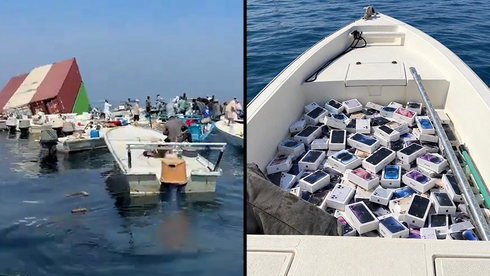
The Floating iPhones Were Never the Point
The video circulating across Arab media this week is exactly the kind of image that explodes online: shipping containers bobbing in the Persian Gulf, dozens of small phone boxes drifting like debris after a storm, fishermen or pirates in skiffs hauling them aboard. One report claimed the devices were iPhone 18 units. Whether that specific detail holds up is less important than what the scene represents—a visual shorthand for how thin the veneer of globalized commerce has become.
The GFS Pride, a Singapore-flagged container ship with a capacity of 2,824 containers, sank Wednesday after reportedly being struck by a projectile in the Strait of Hormuz. All 21 crew members were evacuated safely. Luxury perfumes and other goods floated alongside the phones. This was the second vessel lost in 24 hours. A third, the Cape Dao, went down on September 23. Only three ships have sunk since the war began in late February—an unusually low number given the intensity of the conflict, which makes each loss proportionally significant.
The Real Cost Isn’t in the Water
The viral footage distracts from a quieter, structurally more consequential development: shipping rerouting from the Strait of Hormuz is already altering logistics patterns that affect supply chains thousands of miles from the Persian Gulf.
Approximately one-fifth of global oil consumption passes through this chokepoint. But Hormuz isn’t just an oil corridor—it’s a critical artery for containerized cargo carrying electronics components, rare earth materials, and industrial inputs that feed into manufacturing networks across Asia and Europe. When insurers raise war-risk premiums and captains divert around the Gulf instead of transiting it, the cost isn’t absorbed by the shipowners alone. It migrates into freight rates, then into shelf prices, then into the timelines that factories and retailers build their operations around.
The Strait of Hormuz dispute has wider implications for supply chains | CNBC — the observation here is straightforward but easy to miss in the noise of daily attack reports: rerouting adds time, and time in container shipping is money compounded at every node.
Iran Is Playing a Calculated Game
Two senior Iranian officials told Reuters that Tehran has adopted a deliberate new strategy of intensifying attacks on vessels to keep global oil prices elevated—and to influence the outcome of the U.S. midterm elections on November 3. One official described it as “a game of chess.” The language is telling. This isn’t chaos. It’s coordination.
According to the officials, the decision was made at the highest levels of Iran’s leadership and synchronized across multiple centers of power. Iran began employing different attack methods roughly 10 days ago, targeting ships it claims violated its restrictions on maritime traffic. The objective, as one official put it, is “to frustrate efforts by the United States and its allies to bring down global oil prices.” The second official was more blunt: “Just when they think they are getting close to the point where prices will fall, we will push them away from it.”
Donald Trump has publicly stated he will not attack Iran before the elections. That constraint appears to be precisely what Tehran is counting on.
The Tempo Is Increasing—and It’s Deliberate
Maritime security data reviewed by Reuters shows the pace of attacks has reached its highest level since the war began. A similar rate was recorded October 3–5, but analysts told Reuters that another escalation appears to be underway. “There is a tempo increase in strikes, which looks deliberate,” one maritime security official said.
This matters for supply chain planners because irregular, escalating attacks create uncertainty that markets hate more than they hate known costs. A predictable surcharge you can budget for is manageable. An unpredictable one—where each week brings new insurance adjustments, new route reconsiderations, new conversations with charterers—is paralyzing. That paralysis is exactly what benefits a strategy designed to keep prices elevated.
The Saudi Front Adds Complexity
Saudi Arabia reported Thursday that at least 19 people had been killed in Houthi attacks since the start of the month and that Riyadh’s international airport had been targeted at least 20 times. Saudi Deputy Foreign Minister Rayed Krimly accused Iran of encouraging the Houthi escalation, noting that the rebels had seized territory overlooking the Bab el-Mandeb Strait—the second major chokepoint in the region.
The Houthis also launched five missiles at the Maashiq presidential palace in Aden on Thursday evening. Two security guards were killed. Yemen’s prime minister and cabinet ministers were at the compound but were unharmed. Houthi military spokesperson Yahya Saree claimed the target was “the military operations headquarters of the Saudi enemy in Aden.”
Two threatened chokepoints, one adversarial strategy. That geographic dimension is what makes this more than a regional incident with global shipping symptoms.
Who Wins, Who Loses
Iran wins if the strategy succeeds in keeping oil prices high heading into the elections and in demonstrating that the United States cannot secure the waterways without direct military engagement—which Trump has ruled out for now. The floating iPhones are propaganda value; the rerouted tankers are economic value.
Singapore loses a ship and gains nothing. The GFS Pride’s sinking is the latest in a string of incidents that make its flag and its port increasingly risky for commercial operators. Saudi Arabia loses territory of trust—it can no longer assume its airports and cities are insulated from a conflict that its neighbors are fighting.
Global supply chains lose predictability. The iPhone boxes in the water are symbolic, but the rare-earth materials, semiconductor components, and industrial chemicals moving through Hormuz in those same containers are not. Every day of heightened risk pushes shippers toward longer routes, higher insurance premiums, and tighter inventories. The cost ultimately lands on consumers—and on manufacturers who can’t easily absorb a 15 percent freight increase without raising prices or cutting margins.
What Comes Next
The Trump administration claims maritime traffic is gradually returning to normal, attributing recovery to a U.S. Navy-led protection operation and a continuing blockade of Iranian ports. But the attack tempo data tells a different story. The gap between official narratives and ground-level reality is where risk lives—and where supply chain disruptions will first appear.
If Iran continues its current strategy through early November, expect rerouting to become structural rather than episodic. Insurance markets will price it in. Freight rates will follow. And the floating iPhones in the Strait of Hormuz will look less like a viral oddity and more like an early warning symbol of a conflict that is already reshaping how the world moves goods.