Trump's Iran Pivot: Economics Over Bombs
The US is trading military strikes against Iran for a siege-by-sanctions strategy, buying time until November's midterms while rerouting Gulf oil through the Strait of Hormuz. The move signals a recalibrated Middle East policy with serious implications for allies and energy markets.
The Siege, Not the Strike
The United States is not pulling back from Iran. It is changing the shape of the fight.
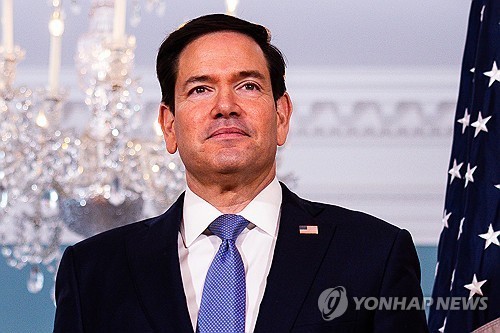
Secretary of State Marco Rubio told allied foreign ministers late last week that Washington will avoid direct military action against Iran “for the time being.” The shift is real and it is deliberate: instead of bombing campaigns, the US is committing to a prolonged economic strangulation. The Treasury Department is rolling out a new sanctions package described internally as an “economic isolation operation,” while the blockade of the Strait of Hormuz — already restricting Iranian oil exports — will continue and tighten.
The message to allies was clear in its silence too. No new war. Not now.
Who Decided This and Why
The timing is the story. A US official told Axios that the policy will hold at least through the November midterm elections. After that, new military operations could return to the table. The implication is not subtle: the Trump administration is treating this moment as politically fragile ground. Escalation before the votes would carry an electric risk at home. Staying in a grinding economic mode does not.
There is also a second calculus. According to the same reporting, senior Trump officials believe the Iranian naval mines laid in the Strait of Hormuz have been cleared. Tanker traffic through the southern corridor off Oman has been increasing week over week. In Washington’s reading, that means Iran’s leverage over global energy flows is weakening — and the US can press its advantage without firing another shot.
Trump himself, sources say, is frustrated with the Iran war and wants it over. That frustration is driving the pause, not a sudden conviction that diplomacy will work.
The Blockade Is the Weapon
Let us be concrete about what the new strategy actually looks like on the water.
The Strait of Hormuz is the narrow chokepoint through which roughly a fifth of global oil consumption passes. Even before the current crisis, it was a bottleneck that moved politics as much as crude. The US is now using that geography as a instrument of coercion. By maintaining a blockade posture while simultaneously pushing as much oil as possible through the same waters, Washington is attempting to do two things at once: deny Iran revenue and stabilize global supply enough to blunt the price shock that would otherwise punish the American economy — and the president’s polling.
That is a high-wire act. If the blockade slips, Iran gets breathing room. If the oil flows slow, prices spike and the political math changes overnight. Both outcomes make the next few months a test of maritime enforcement more than aerial warfare.
Allies Are Being Managed, Not Consulted
Rubio’s briefings to foreign ministers were informational, not collaborative. That is a pattern this administration has shown before. The question for Tokyo, London, Paris, Riyadh, and Tel Aviv is what they do when Washington pivots without asking.
For Gulf partners especially, the pause is both relief and anxiety. Relief because American air strikes would have dragged them into a wider war. Anxiety because a prolonged economic siege does not guarantee Iranian restraint — it only delays the moment Iran might feel cornered enough to act.
Japan and South Korea, whose energy imports depend heavily on Hormuz transit, have the most at stake in the oil-flow variable. If the blockade holds and alternatives materialize, the shock is muted. If it falters, import costs rise and diversification debates restart with urgency.
The Ceasefire Rumor Machine
Complicating the picture arrived Thursday when Russia’s state-run RIA Novosti reported — citing Pakistani and Iranian security sources — that the US and Iran had reached a ceasefire deal covering free navigation through the Strait of Hormuz. The White House did not confirm the report. It also did not deny that President Trump spoke with Iranian leadership, but it explicitly stated that no negotiations are currently underway or scheduled.
That ambiguity is itself a signal. It lets Tehran pretend to diplomats that a deal exists while giving Washington plausible deniability if nothing materializes. It also keeps markets off balance — exactly the kind of environment where economic pressure works best and military miscalculation becomes harder to predict.
The Bypass Players
Two figures are worth watching closely. Steve Witkoff, the president’s special envoy for Iran, and Jared Kushner, Trump’s son-in-law, are both understood to have played central roles in behind-the-scenes channels with Tehran. Axios reports they are scheduled to visit US Central Command on Friday for a situational briefing. That visit signals neither escalation nor retreat. It signals maintenance — keeping the instruments of power ready while the economic lever does its work.
Their presence at CENTCOM also sends a message to regional actors: Washington has not disengaged. It is simply choosing a different terrain for the fight.
What Comes Next
The next inflection point is November. If the economic squeeze holds and oil markets remain stable through the midterms, the pause could harden into a longer posture. If prices surge or an incident escalates, the military option returns to the table with force.
For allies, the takeaway is operational, not philosophical. Expect Washington to manage the narrative around Iran without consulting closely on tactics. Expect energy markets to remain jittery rather than calm. Expect the Strait of Hormuz to stay the arena — whether ships are blocked or flowing, the water itself is the weapon now.
The US is not choosing peace. It is choosing a slower, cheaper, politically safer kind of pressure. Whether that pressure breaks Iran’s calculations or simply postpones them is the question no briefing can answer.