Trump-Putin Diesel Deal Leaves Zelenskyy on the Sidelines
A leaked US-Russia diesel supply agreement announced by Trump without consulting Kyiv has exposed a deepening rift in Western unity over Ukraine—and signals what happens when American diplomacy shifts from supporting a nation to trading with its enemy.
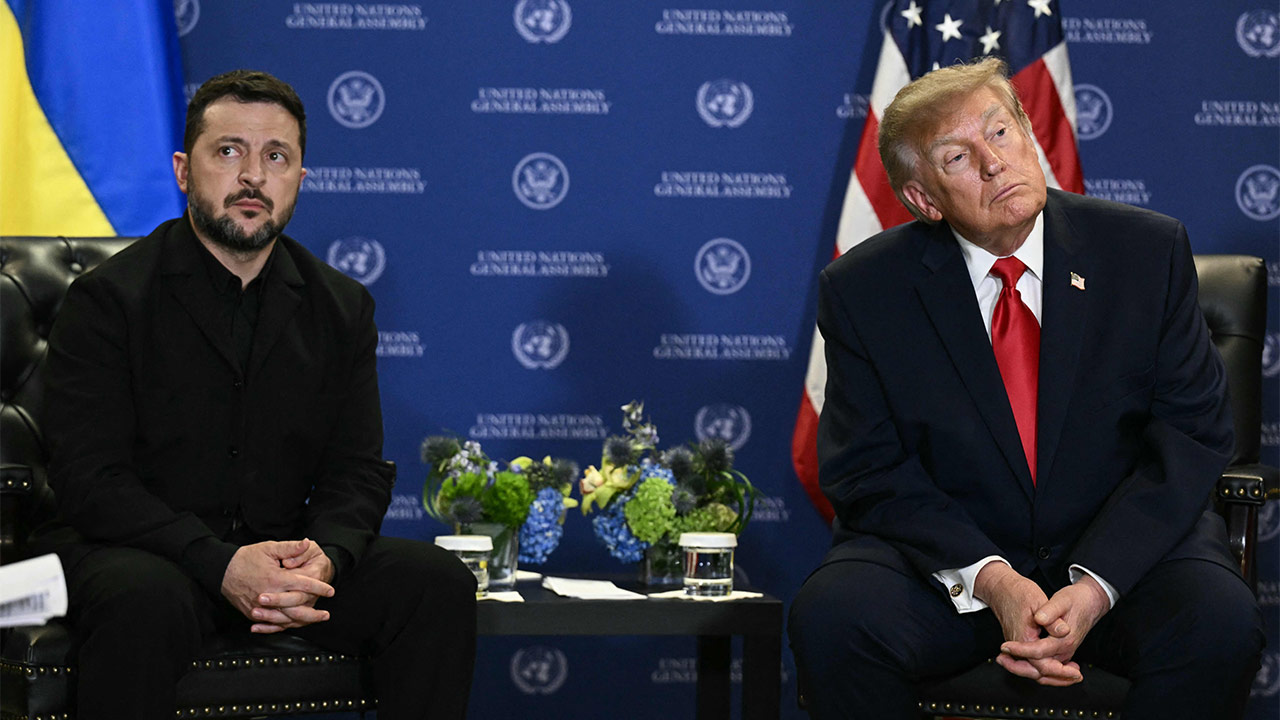
The Deal That Wasn’t a Deal
On October 9, Donald Trump announced that he had struck an agreement with Vladimir Putin for Russia to supply large volumes of diesel fuel to the United States and global markets. The specifics remain vague—volumes, pricing mechanisms, and delivery timelines were not disclosed—but the geopolitical implications are immediate and profound. Within hours, Volodymyr Zelenskyy called it a birthday gift to Putin, a gift that would finance a war against Ukraine.
The timing was not accidental. Days earlier, the United States had been in discussions with Kyiv over ceasefire conditions. Diesel did not come up. The fuel deal was not part of any peace framework that Ukraine knew about. It was a separate track, and it reveals something important about the current direction of American diplomacy in Europe.
What makes this episode extraordinary is not simply that the United States is trading with Russia—it is that Ukraine, the nation under attack and the primary recipient of American military aid since 2022, was excluded from the negotiation. The bypass is structural, not incidental. It signals a recalibration of American priorities that goes well beyond energy policy.
Who Gets Left Behind
Zelenskyy’s reaction on social media was blunt: a gift to Putin will not bring peace, and Russia will repay it with more terrorism and betrayal. His comments to Axios reinforced the point—that this agreement was negotiated without him, without Kyiv, and without any of the security guarantees that Ukraine has been demanding since the war began.
The subtext is harder to read but equally significant. If the United States is willing to trade with Russia at this scale while Ukraine is still fighting, the message to Kyiv is unambiguous: your survival is no longer the priority of American policy. You are a line item being balanced against something else—energy prices, inflation, domestic politics, or a transactional vision of geopolitics that treats Putin as a bargaining partner rather than an adversary.
That shift is not abstract. It changes how Ukraine fights. It changes how Europe calculates its own defense posture. It changes the calculus for every country watching whether the United States will stand with a European ally under fire or strike deals that benefit its own economy first.
For Kyiv, the practical consequences are stark. Russian revenue from diesel exports funds troop salaries, weapons procurement, and military logistics. Every barrel sold in American or allied markets translates directly into ammunition fired on Ukrainian cities. Zelenskyy’s characterization of the deal as an investment in prolonging the war is not hyperbole—it is accounting.
The Sanctions Paradox
What the diesel deal exposes is a deeper contradiction in Western policy. Since 2022, the United States and its allies have imposed sweeping sanctions on Russian energy exports, targeting oil, coal, and refined petroleum products. The goal was to deprive Moscow of the revenue needed to sustain its war effort. A bilateral diesel agreement with Russia would effectively carve out a major exception to that strategy.
Legal experts note that such a deal would require either a sanctions waiver or a renegotiation of existing restrictions—both politically sensitive moves. European Union partners have been the most vocal advocates of maintaining energy pressure on Russia. A US-Russia diesel deal that circumvents those restrictions would create immediate friction across the Atlantic.
The implications extend beyond sanctions compliance. They touch on the credibility of the entire Western sanctions regime. If the United States can strike energy deals with Russia while expecting European allies to maintain their own restrictions, the coordination that has defined transatlantic policy since the invasion begins to unravel.
European Reactions
European capitals will interpret this in their own way. Poland and the Baltic states—nations closest to Russia and most invested in Ukrainian victory—are likely to view the deal as evidence that American commitments are conditional and reversible. Germany and France face a more complicated calculation. Their economies have already absorbed significant energy costs since 2022, and cheaper Russian diesel could ease inflationary pressures at home.
But the political costs of appearing to benefit from a deal that sidelines Ukraine are real. European leaders who welcome Russian diesel risk being seen as prioritizing domestic economics over the security of a sovereign nation under attack. The narrative Zelenskyy is pushing—that the West is abandoning Ukraine for transactional gain—gains credibility with every deal that proceeds without Kyiv’s consent.
NATO’s eastern flank faces a direct consequence. The alliance’s deterrence posture depends partly on the perception that American security guarantees are reliable. If the United States is simultaneously arming Ukraine and trading with Russia, the signal to Moscow is confusing and potentially inviting. Putin may interpret the diesel deal as evidence that American resolve is fracturing—a gap to exploit on the battlefield.
What the Diesel Deal Actually Means
This is not a minor commodity swap. Diesel is a strategic input—military logistics, civilian transport, industrial production all depend on it. A US-Russia diesel agreement of the scale Trump described would reshape global energy flows in a way that directly contradicts years of Western sanctions policy. It would also normalize trade with Russia at a moment when the war is still active and no peace treaty exists.
The market implications are immediate. Russian diesel, typically traded at a discount to global benchmarks due to sanctions, could flood American refineries if restrictions are lifted. That would depress domestic fuel prices—a politically attractive outcome for an administration facing inflation concerns. But the discount exists for a reason: sanctioned Russian energy carries legal and reputational risk. Removing that risk legitimizes Moscow’s energy sector and reduces the economic cost of the war for Russia.
For Ukraine, the strategic implication is stark. Russia earns revenue from this deal. That revenue sustains the Russian war machine. Zelenskyy’s characterization of it as an investment in prolonging the war is not hyperbole—it is a straightforward accounting of how conflict finance works.
The Broader Fissure
What makes this episode worth watching is not just the deal itself but what it signals about the fracture in Western unity. The United States and Ukraine were supposed to be aligned on ending the war through Russian defeat or negotiated settlement on terms favorable to Kyiv. This deal suggests a different agenda—one that treats Russia as a market and Ukraine as a geopolitical bargaining chip.
The transactional vision of geopolitics underlying the deal is consistent with Trump’s broader approach: deals over doctrines, transactions over alliances, bilateral arrangements over multilateral frameworks. From this perspective, the diesel deal is not an aberration—it is the logic of the presidency applied to energy policy. Putin gets a gift. Trump gets lower fuel prices. Ukraine gets left out.
But the long-term consequences of this framing are profound. Alliances built on transactional logic are fragile. Partners who cannot rely on consistent American commitment will hedge, diversify, and eventually distance themselves. Europe has spent decades building institutions and partnerships predicated on shared democratic values and collective security. A policy that treats those commitments as negotiable undermines the very foundation of the postwar order.
What Happens Next
If this deal proceeds, it will test the coherence of Western policy on Ukraine in real time. Sanctions regimes will face pressure from American commercial interests. European allies will have to decide whether to follow Washington or chart an independent course. And Ukraine will be forced to navigate a landscape where its most important patron is simultaneously dealing with its enemy.
The diplomatic fallout will extend beyond energy. If the United States is willing to negotiate directly with Russia while excluding Ukraine, other adversaries may draw similar conclusions about American willingness to sideline partners for transactional gain. China watches closely. Iran monitors. Every US-Russia deal that bypasses affected nations becomes a template.
Zelenskyy’s description of the agreement as a birthday present to Putin captures the emotional reality of the moment. But the deeper story is structural: American foreign policy is being recalibrated around transactional deals rather than alliance commitments. Ukraine is the case study. The rest of the world is watching.
The Question Readers Should Carry Forward
The question is not whether this deal is controversial—it clearly is. The question is what kind of international order emerges when energy commerce with an aggressor state becomes standard practice while the victim of aggression is left without a seat at the table.
American diplomacy has long operated on a tension between idealism and realism, values and interests. The diesel deal tips that balance decisively toward the latter. Whether that shift strengthens or weakens US leadership depends on whether transactional gains prove sustainable—and whether allies continue to trust a partner that negotiates with their enemies behind their backs.
The diesel flows. The sanctions waver. The alliances strain. Ukraine watches from the sidelines, armed but increasingly isolated. The birthday gift has been delivered.