Trump Welcomed Xi at the Runway—And America's Iran War Lost Its Priority
The 11-year gap between presidential welcomes tells you everything about what Washington is deprioritizing. Trump's runway theater for Xi coincides with a stalled Iran war and a trade truce extension that Beijing negotiated without asking.
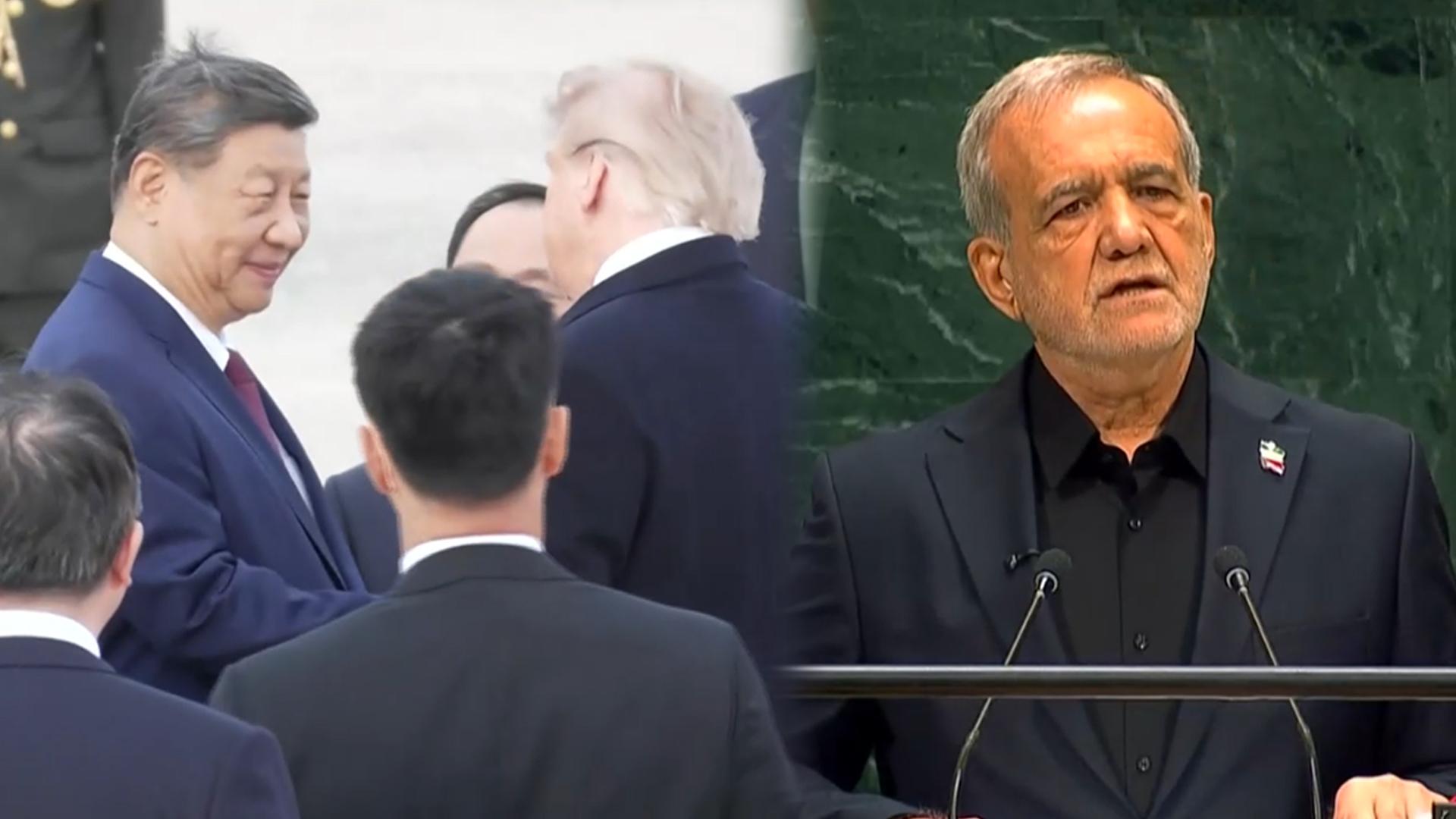
The Runway Theater
Donald Trump stood at the end of the tarmac for nearly an hour before Air Force One carrying Xi Jinping touched down. It was the first time a sitting president had personally welcomed a foreign head of state at the airport during Trump’s second term. Melania Trump was beside him. The B-1 bombers traced patterns overhead. Xi’s motorcade would not leave for hours.
Eleven years is how long it had been since a Chinese president last arrived for a state visit of this scale. The gap matters because American hospitality for foreign leaders is not routine—it is choreography. Trump’s decision to stage it tells you what Washington still believes matters most, and equally, what it is quietly accepting it cannot control right now.
The Trade Truce That Was Already Won
Before the cameras captured the handshake, the real transaction had been completed. US Treasury Secretary Scott Bessent and Chinese Vice Premier He Lifeng had resolved the question that markets had been pricing since last year’s Busan summit: whether the one-year trade truce would expire or extend.
It extended by two months. Not a year. Not indefinitely. Two months.
This is not a diplomatic failure. It is a calculation. Beijing does not need a decade of certainty to manage its supply chains—it needs enough breathing room to re-route, re-price, and absorb whatever tariffs return when the clock expires. The two-month window is exactly what Washington can tolerate domestically without looking soft, and exactly what China needs to keep factories running through the next quarter.
Both sides got what they could accept. Neither got what they wanted. That is the definition of a successful de-escalation in a relationship defined by managed friction.
What the Numbers Don’t Show
The Xinhua reporting called Xi a “great leader” in the Trump quotation. Xi’s side replied that cooperation should take priority over conflict and that stable relations between the two countries must be built. Neither side mentioned the word tariff. Neither mentioned Taiwan. Neither mentioned the AI safety frameworks that both treasuries are supposed to be discussing.
The omission is the story. Trump’s itinerary includes a White House meeting on the 24th and a state banquet that evening. The stated agenda covers trade conflict, AI cooperation, Taiwan, and the Iran war. Three of those four topics are areas where Washington has lost leverage—or is about to lose it.
The Iran Question in the Room
While the Xi visit dominated the front pages, Iran’s president was addressing the UN General Assembly in New York and holding up photographs of dead children. Masoud Pezeshkian described his country as a victim of terrorism, showed images of 150 schoolchildren and a former supreme leader killed in US and Israeli strikes, and told the assembly that every target—schools, hospitals, universities, bridges—violated international law.
The American delegation walked out. Not staged a protest. Walked out. That is not diplomatic disagreement; that is institutional rejection of the frame Pezeshkian was forcing onto the room.
But here is what the walkout obscured: Iran’s national security secretary, Mohsen Rezaei, had already issued a reciprocal threat. Any country that joins what he called “this American adventure” will find its airports unable to handle scheduled flights. It is a sanction in reverse—not freezing assets, but grounding connections.
The US rejected Iran’s proposal to open the Strait of Hormuz within seven days. Washington insists on control of the strait. Two people died yesterday when a cargo ship was struck there, including one Indian crew member. Yemen’s Houthi movement is now warning that if American support reaches Saudi Arabia, US military bases will be targeted.
This is not a conflict heading toward resolution. It is a conflict heading toward the kind of slow escalation that consumes diplomatic bandwidth without producing political outcomes.
Why Beijing Is Winning Without Trying
The trade truce extension is not a concession. It is a pause button that China pressed while America was looking elsewhere. Washington spent its political capital on the runway welcome, the B-1 flyover, the two-month extension. Beijing spent nothing but patience.
China’s economy does not need a grand diplomatic victory to benefit from American distraction. It needs the Hormuz strait to stay partially open, the trade truce to keep tariffs from climbing, and the AI safety frameworks to proceed slowly enough that Beijing can continue its own regulatory experiments without external review.
Two months of trade calm is worth more to Chinese exporters than a press release about strategic stability. The market prices that calm in real time. The factories run. The supply chains hold.
What Comes Next
The Xi summit concludes on the 25th. The trade truce expires in roughly six months unless both sides renegotiate again. Iran’s proposals for Hormuz access remain rejected. The Houthi warnings about Saudi airbases have not been tested but have not been dismissed either.
Trump’s airport theater will be remembered for the photographs. The two-month extension will be remembered by the traders. Beijing’s victory is that both stories can coexist—America is performing dominance while China quietly extends its advantage one quarter at a time.
That is how great-power competition works when neither side is willing or able to force a decisive outcome. The runway welcome is real. So is the patience behind it.