UN Settlement Blacklist Now Has 214 Companies—Compliance Is the Real Story
The UN has nearly doubled its list of companies tied to Israeli settlements, signaling a sharper pressure campaign. But the list itself matters less than what it will do to corporate compliance budgets, legal strategies, and trade routes around the region.
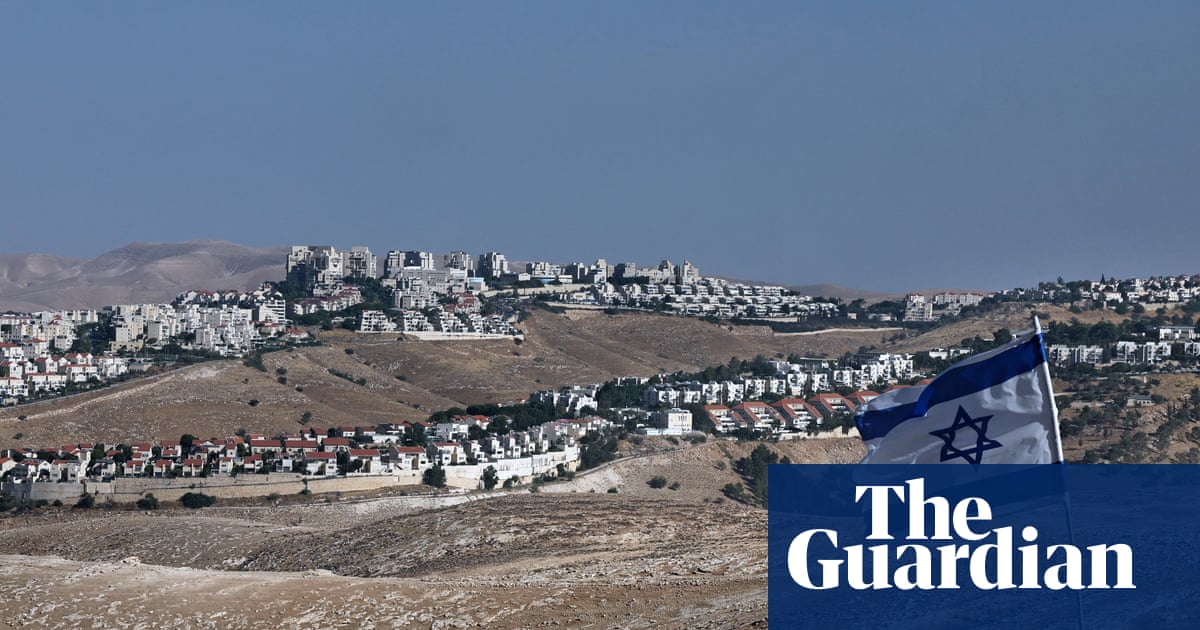
The list is bigger. The game has changed.
The UN human rights office on Thursday added 61 more companies to its settlement blacklist, bringing the total to 214 firms across 11 countries. The vast majority remain Israeli. Five of the 158 names listed a year ago were dropped. What looks on paper like another procedural update is, in practice, a widening net that could reshape how multinationals hedge their exposure in the region.
The blacklist was born in 2020 from a vote by the UN Human Rights Council. It has no enforcement mechanism. Its purpose is to publish evidence and apply reputational pressure. For the first two years after launch, the list felt like diplomacy by spreadsheet. This update changes that calculus.
Who is on the list now
The 214 companies operate in construction, finance, technology, consumer goods, and infrastructure—sectors that feed directly into settlement expansion. Israeli firms dominate the roster. The 11 countries represented suggest a supply chain footprint that stretches well beyond the West Bank, touching European headquarters, Middle Eastern subsidiaries, and American-facing service providers.
Five companies were removed this cycle, likely after completing internal reviews or altering their operations. The ratio—five removed against 61 added—points toward an accelerating investigation posture, not a softening one.
Why the timing matters
Britain banned settlement trade earlier this month. France and Canada announced they would follow. The UN list did not cause those policies—national governments made their own calls—but the two tracks are reinforcing each other. A company that ignored the list as mere advocacy is now facing a scenario where listing could signal regulatory risk in multiple jurisdictions simultaneously.
This is the first time UN naming and shaming is being paralleled by unilateral trade bans from major markets. That alignment is what turns a publicity exercise into a compliance event.
The compliance cost curve
Most large firms already treat the settlement question as a low-priority ESG footnote. That calculation is about to become expensive. Due diligence frameworks under the UN Guiding Principles on Business and Human Rights require companies to identify and address adverse impacts in their value chains. The blacklist gives lawyers, risk officers, and audit committees a ready-made reference point.
Three consequences are likely.
First, procurement teams will push harder for origin-certification documents for goods sourced from Israeli suppliers, especially those flagged on the list. Expect longer contract cycles, more legal review, and a spike in requests for sub-supplier disclosures.
Second, firms with exposure may initiate internal investigations that mirror the UN process. That means document requests, third-party audits, and potential supply chain reconfiguration. The cost is front-loaded and unglamorous.
Third, smaller firms that previously considered the settlements question irrelevant to their business model will face indirect pressure. Customers in Europe will ask. Insurers will ask. Law firms will add settlement-related clauses to standard engagement letters. The spillover is hard to quantify but real.
What the list does not show
The UN office says it advised the listed companies and gave them a right of reply. It did not publish the evidentiary basis for each entry. That opacity is a feature, not a flaw, from a diplomatic standpoint. It also means the list should be read as a weighted suspicion rather than a judicial finding.
Israel called the database a “blacklist against businesses that have committed no wrongdoing” and accused the UN of weaponizing naming-and-shaming. The Israeli mission in Geneva framed the move as politically motivated rather than fact-based. Both sides are correct in their own frames. The practical effect, however, is the same: uncertainty for any company caught in the overlap.
What happens next
Volker Türk, the UN human rights chief, said the report was a reminder that companies have human rights responsibilities and must conduct due diligence. The language is calibrated. It does not accuse any firm of illegal activity. It does not need to.
The next likely trigger is litigation. Settlement-related cases have moved through European courts before, and a larger blacklist gives claimants more precise targets. It also gives judges a clearer picture of the commercial landscape.
On the trade side, expect more countries to consider settlement-specific import restrictions. Britain is the first. France and Canada have signaled intent. The EU has not taken a unified position, but individual member states may act unilaterally if political pressure mounts.
For companies on the list, the immediate risk is reputational. The medium-term risk is legal and regulatory. The long-term risk is operational: restructured supply chains, revised investment theses, and a new category of conflict-sensitive due diligence that will become table-stakes for any firm operating in the region.
The quiet winners and losers
Winners: law firms and consultancies that sell compliance services. Their briefs are about to expand. Insurance brokers who specialize in political risk will see renewed demand. Companies that proactively clean up their supplier bases before being named will set a standard that competitors must follow.
Losers: firms whose contracts depend on uninterrupted settlement-area logistics. Multinationals with high Israeli revenue exposure will face margin pressure from compliance spend. Shareholders who assumed the risk was manageable will demand transparency that many firms are not yet prepared to give.
The 214 names on the list are not a verdict. They are a compass. Where governments and courts point next will determine whether the blacklist becomes a historical footnote or a turning point in how business intersects with international law.