Why Apple's Foldable iPhone Is Bigger Than Samsung's Early Bet
Apple is finally entering the foldable phone market, and the details emerging from Korean outlets reveal a strategy far more calculated than a simple Samsung clone. Here's what the V68 project means for the industry.
Apple’s Foldable iPhone Just Changed the Rules
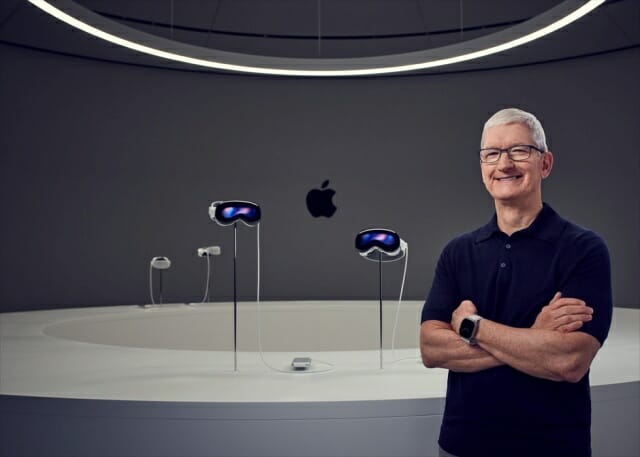
Korean outlets are breaking Apple news before American ones — and this time it matters. Bloomberg, citing sources familiar with Apple’s internal workings, reported that CEO Tim Cook personally drove the company’s foldable iPhone project after witnessing the category’s rise in Asia. The story didn’t originate in Cupertino. It surfaced through Seoul.
That alone should signal something about where the tech industry’s center of gravity has shifted. Samsung introduced the Galaxy Fold in 2019, clearing the path. Huawei followed. Chinese manufacturers flooded the space. Apple watched, waited, then quietly built something that may rewrite the entire category’s trajectory.
The Real Origin Story No One Is Telling
Here’s the detail most Western coverage will gloss over: Apple began developing a foldable device well before Samsung’s 2019 launch. Bloomberg notes Cook became unusually interested in foldable phones during a 2020 trip to Asia, observing rising consumer adoption of Samsung and Huawei foldables firsthand. The realization wasn’t technological — it was cultural. The market had already spoken. Apple simply needed time to figure out how to respond on its own terms.
Cook entered the room as chairman after stepping down as CEO in September 2025. His successor, John Ternus, took the helm. The upcoming event — scheduled for September 9 — marks Ternus’s first major public stage. Cook will attend as audience member, not presenter. That handoff isn’t ceremonial. It’s strategic. The foldable iPhone, code-named V68, is Ternus’s proving ground.
Bloomberg’s Mark Gurman called the device “an ideal showcase” for Ternus, who previously led Apple’s hardware division and was instrumental in pushing the project forward alongside Cook. This is succession theater played out in silicon and hinged glass.
The Design That Could Actually Work
The V68 reportedly features a 7.8-inch inner display and a 5.5-inch outer display — a wider, shorter form factor than the book-style phones Samsung and others have championed. Apple designers reportedly compared the closed proportions to a passport and the open spread to a Magic Trackpad.
This isn’t incremental. The wide-angle approach could fundamentally differentiate the device from the tall, narrow foldables that have dominated the segment since the Galaxy Fold launched. It also sidesteps the awkwardness of phones that feel like tablets pretending to be phones. A passport-sized closed device that unfolds into a near-square canvas is a genuinely new shape.
But there’s a trade-off Apple isn’t highlighting. Gurman notes the foldable structure will likely compromise durability, camera performance, and battery life compared to existing iPhones. These aren’t small concessions. They’re the kind of compromises that make or break a flagship category. Consumers who bought early Galaxy Folds learned that lesson painfully.
The Price Is the Story
Apple initially targeted a $1,999 price point for the V68 — a deliberate psychological barrier, echoing the $999 starting price Apple set for the iPhone X in 2017. Crossing the $2,000 mark felt taboo then. It feels even more so now.
Internal discussions have since shifted upward. Bloomberg reports Apple is considering pricing as high as $2,199, with storage-heavy configurations potentially approaching $3,000. Memory costs have risen. The economics of foldable displays remain unfavorable. Apple is betting that the iPhone brand carries enough weight to absorb the premium.
The bet has a precedent. The current iPhone Pro lineup’s highest-spec model already sits near the $2,000 threshold, and it sells. Apple sees demand where competitors see resistance. That confidence is dangerous for everyone else.
Wall Street projects 7 to 10 million units sold this year. Those numbers sound modest compared to iPhone volume — which moves tens of millions per quarter — but they’re enormous for a foldable debut. Samsung has struggled to reach similar scale despite years of head start. Apple would achieve in months what took competitors years.
What This Means for Everyone Else
Samsung’s position is the most immediately affected. The company pioneered foldables and built a formidable IP portfolio, but its moat is thinner than it appears. Apple isn’t entering the category to match Samsung — it’s entering to redefine it with a different form factor, a different ecosystem, and a different price architecture. The wide-display V68 won’t look like a Galaxy Z Fold. It will look like something Apple owns entirely.
Huawei faces a different challenge. The Chinese manufacturer has pushed aggressively into foldables with the Mate X series, but geopolitical constraints limit its reach in Western markets — exactly where Apple’s debut matters most. Chinese brands like Xiaomi and OPPO are moving fast too, but none carry Apple’s brand equity or distribution scale.
The supply chain implications are enormous. Foldable display panels, hinge mechanisms, and specialized batteries require manufacturing lines that few suppliers can build at volume. Apple’s entry will reshape demand across that entire ecosystem, squeezing margins for incumbents and creating new winners among component suppliers.
The Deeper Question: Why Korea?
This story broke through Korean media — Zdnet Korea, Bloomberg’s Seoul-based coverage — before it appeared in major American tech outlets. That pattern repeats across Apple coverage increasingly. Korean tech journalism operates on a tighter loop with供应链 (supply chain) sources, Samsung partnerships, and government-industry relationships that American desks simply don’t replicate.
For readers outside Korea, the implication is straightforward: the next wave of smartphone innovation news will continue to surface through Asian outlets first. The US keynote cycle is no longer the starting gun. The pipeline runs the other direction.
Apple’s foldable iPhone isn’t just a new product. It’s a signal that the company is willing to gamble its most iconic form factor on a category it didn’t create, using a design language it’s inventing in real time. The risk is real. The potential reward is larger than most people realize.
Ternus has his moment. Cook handed him the microphone. Now the world will watch to see whether Apple can fold — and still stand.