Xbox's Project Helix Just Changed the Console Game
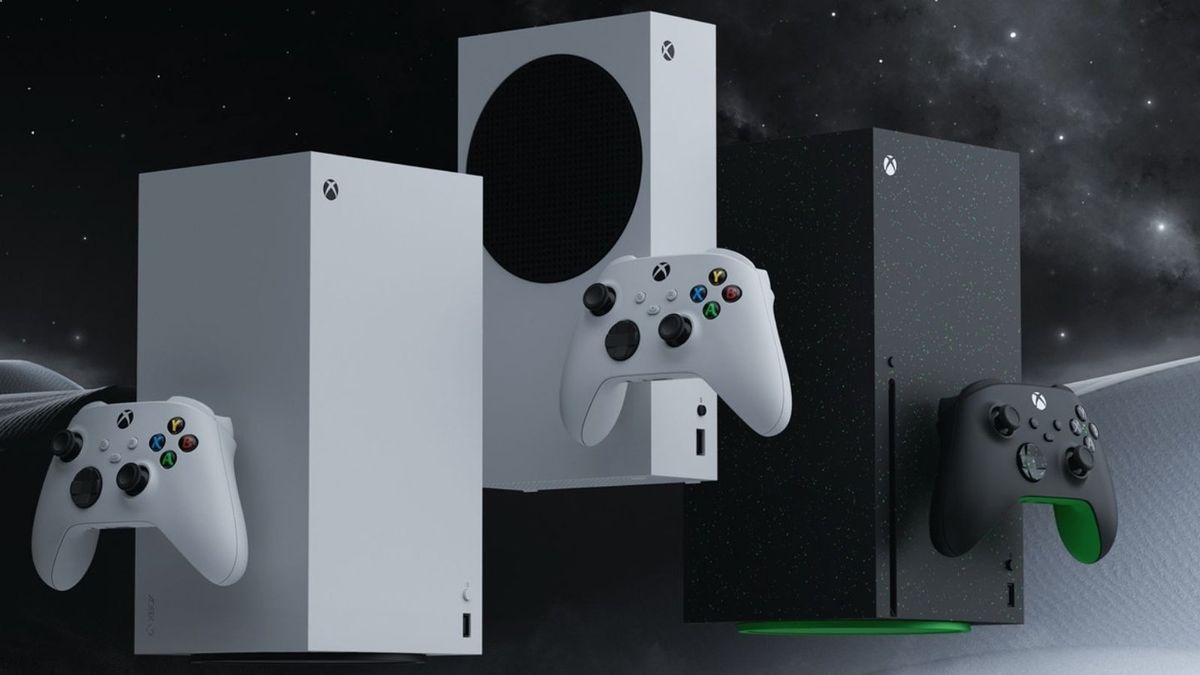
Microsoft's CEO revealed Project Helix will be a family of consoles, not a single machine. The disc-to-digital pivot and multi-SKU strategy signals a fundamental rewrite of how Xbox approaches hardware—and forces Sony and Nintendo into uncomfortable questions.
The Console Market Is About to Rewire Itself
Asha Sharma just handed Xbox its most consequential pivot in twenty-five years.
Speaking at Gamescom, the Xbox CEO confirmed that Project Helix—the next-generation Xbox codename—will arrive as a “family of devices,” not a single machine. That alone would be notable. But the context is what makes this a real market disruption: the family is anchored by a discless architecture, smaller affordable SKUs are being positioned as the default entry point, and PC game integration is being baked into the hardware strategy from day one.
Sony and Nintendo didn’t announce anything similar today. That silence is loud.
What “Family of Consoles” Actually Means
The language Sharma used is deliberate. “A great family of devices for Helix.” She did not say “one new console with optional variants.” She said family. That’s a structural choice, not a marketing choice.
The current generation’s Series S and Series X split was always somewhat awkward—two boxes running the same games with different specs, same ecosystem, same marketing cycle. If Helix is expanding that into more than two tiers, Xbox is moving toward a model more familiar to PC hardware: breadth of SKU rather than a single definitive console cycle.
This matters because it breaks the traditional twelve-to-eighteen-month transition rhythm that has defined console generations since the 1990s. Instead of everyone upgrading at once, you get staggered entry points. Players who would have been priced out of a next-gen machine can enter at the low end and upgrade later—or stay. Microsoft is effectively admitting that the console upgrade cycle is dying and trying to monetize that reality before anyone else figures it out.
The Disc-to-Digital Anchor
Sharma told the BBC that Helix might not include a disc tray. She doubled down on it. This isn’t a rumor from a leaked supply chain document or a speculative analyst report. The Xbox CEO herself is signaling that physical media may not exist in the next generation.
That’s a business model decision dressed as a hardware decision. Disc-free consoles mean no secondary revenue from used games, no price anchoring from retailers on physical copies, and complete dependency on the Xbox digital storefront for game sales. Microsoft already takes a 30 percent cut on digital transactions. A discless future locks that revenue stream in permanently.
The timing is strategic. GTA VI launches on current-gen first. Sharma explicitly said the Series S is “the most affordable way to play GTA” and called it a “banger” fall. That’s not a throwaway line. She’s telling investors and the market that the lower-tier console is now the volume play—the gateway device for the biggest titles of the year. The high-spec box becomes the enthusiast option, not the default.
It’s the opposite of how Sony structured the PS5. The base PS5 included a disc drive and was the mainstream product. Microsoft is reversing that assumption.
PC Games on Xbox Is Not a Buzzword, It’s a Weapon
Sharma also confirmed that Xbox is working on activating Steam and Epic Games launchers on console hardware. “We’ve talked about being able to not only play your console games, but also play your PC games on your console.”
That sentence should be read as a competitive statement. Sony hasn’t integrated Steam into PlayStation. Nintendo hasn’t either. If Xbox becomes the only console that can launch Steam and Epic titles natively, it creates a pull factor that has nothing to do with exclusives and everything to do with library ownership. Players who own games on Steam don’t lose that investment by switching to Xbox. That’s a retention mechanic disguised as a feature.
It also pressures PC itself. Microsoft has been quietly building a PC gaming presence for years through Activision Blizzard acquisition and Game Pass PC integration. Giving Xbox hardware the ability to run Steam and Epic client-side could pull revenue away from Windows PC sales. The console becomes the delivery mechanism for the Microsoft gaming ecosystem, regardless of where the player sits.
Who Wins and Who Loses
Xbox wins if this strategy executes cleanly. The lower-tier SKU captures price-sensitive buyers who otherwise would have stayed on current-gen or drifted to cloud-only services. The disc-free architecture reduces manufacturing complexity and cost over time. PC launcher integration creates a unique positioning that neither competitor can easily replicate.
Sony loses market share among casual and budget-conscious players. The PS5 lineup has no discless counterpart. The PS5 Digital Edition exists but occupies a niche, not the center of the strategy. If the industry moves toward smaller, cheaper next-gen consoles as the primary gateway, Sony has to choose between following Microsoft’s lead or accepting a shrinking footprint in the volume segment.
Nintendo is the most interesting case. The Switch line has always operated on a different logic—portability, first-party exclusives, and a family-friendly brand. But the Switch’s lifecycle is already well advanced. If Microsoft is preparing a multi-console next-gen push, Nintendo faces pressure to define its own refresh strategy. The Switch successor announcement has been delayed repeatedly. Every month without clarity is a month where Xbox’s narrative absorbs the players Nintendo might otherwise convert.
The Numbers Sharma Dropped
She said UK console growth is happening “while others were shrinking.” PC is up double digits year on year in Germany. These are selective data points—she’s highlighting where Xbox is gaining, not where the entire market stands. But the framing is significant. Microsoft is telling the story that the console landscape is already shifting and they’re ahead of it, not playing catch-up.
What Happens Next
Expect Microsoft to unveil the Helix family architecture before the end of 2026. The limited-edition Series X and S runs happening now are the last gasp of the current generation’s hardware lifecycle. The real question is whether the low-end Helix SKU will launch at a price point that undercuts both the PS5 and any Switch successor, or whether it’s positioned to capture the same mid-range segment where the pressure on Sony and Nintendo is sharpest.
One thing is clear: Sharma’s remarks at Gamescom weren’t incremental updates. They were a declaration that Xbox intends to change the rules of the console cycle itself. The rest of the industry is now responding to a question it didn’t know it had to answer.
Whether that response comes fast enough is the real story.