Xbox's Tokyo Game Show Gamble: Why Japan Is Now the Battleground
Microsoft's TGS 2026 showcase packed with Japanese exclusives and a Hideo Kojima appearance signals an aggressive pivot toward the Japanese market. What does this mean for Sony, Nintendo, and the future of console gaming?
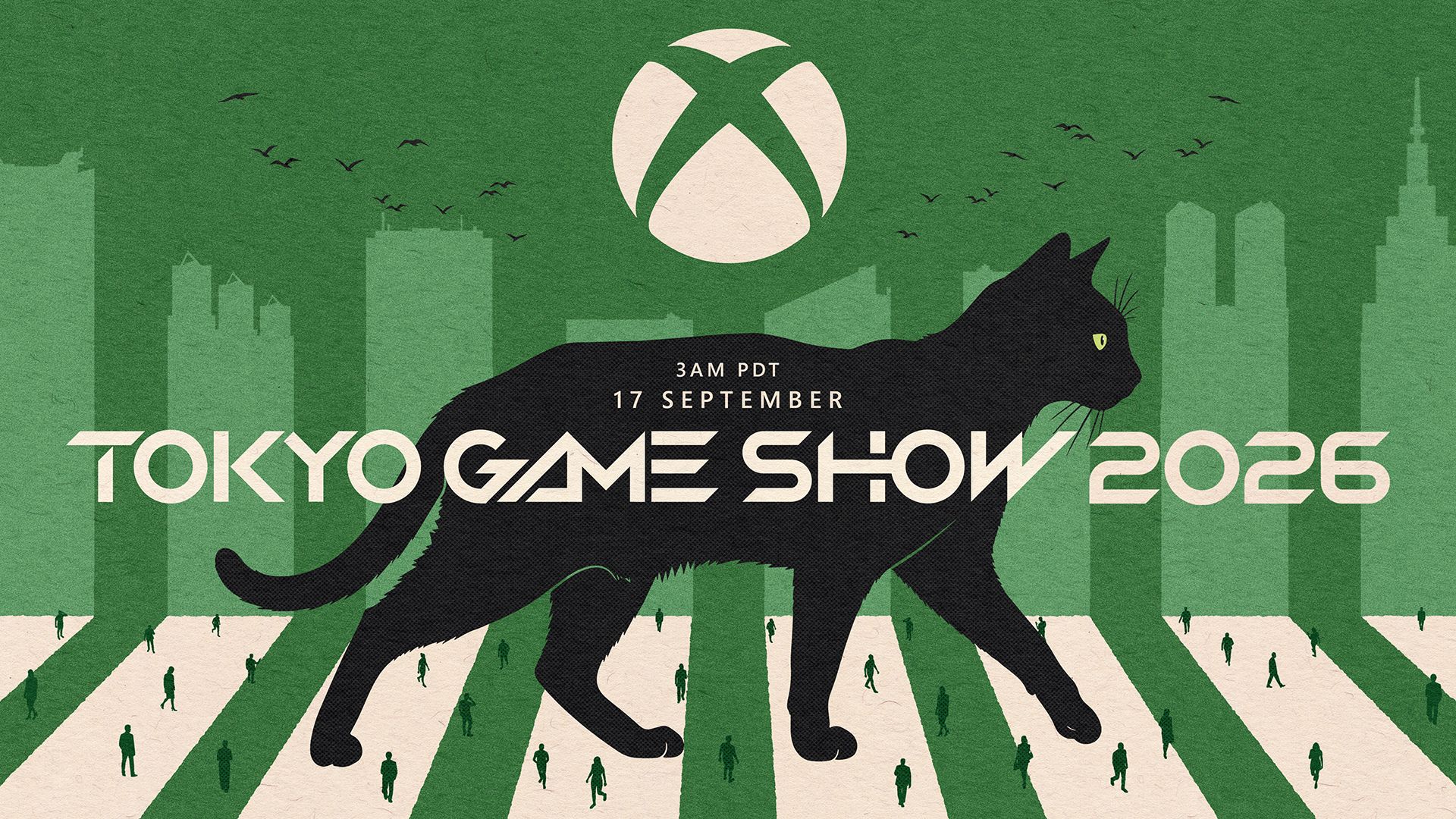
The Kojima Effect Wasn’t the Point
Hideo Kojima appeared at the end of Xbox’s Tokyo Game Show broadcast on a Tuesday evening in September 2026, and the internet immediately framed it as a power move. A legendary game designer, long associated with PlayStation campaigns, standing beside Phil Spencer’s brand. That’s the headline. But the story beneath it is far more consequential.
Microsoft is no longer asking Japan to tolerate Xbox. It’s building for it.
The difference matters. Past attempts to crack the Japanese console market — the Xbox 360’s Final Fantasy negotiations, the One’s middling hardware presence — were defensive plays. Bring Western IPs to Japan and hope they stick. TGS 2026 was the opposite: an offensive showcase built around Japanese creators and franchises, curated to look like a homecoming rather than an occupation.
The Japanese Lineup Is Not a Gift
Look past the Kojima moment and what actually fills this broadcast is a Japanese-developed game lineup that would have been unimaginable for Xbox five years ago.
Atlus revealed Persona 4 Revival, a full remake of one of the most beloved JRPGs in existence, launching February 18, 2027. It’s Game Pass day-one. Koei Tecmo returned with Wo Long 2: Wings of Ember, a Soulslike from Team Ninja that hits March 4, 2027. SEGA announced Crazy Taxi: World Tour with a Japan map — not as an afterthought but as a featured destination. Netmarble brought Bloomwalker into the Ni No Kuni universe. And KOJIMA PRODUCTIONS gave Xbox the first major look at PHYSINT, with Bill Skarsgård attached to the lead role.
These aren’t third-party ports or late-stage ports. They’re first-party-adjacent deals with publishing and Game Pass commitments that suggest Microsoft is paying to own shelf space in a market where it historically rented it.
The numbers behind these deals aren’t public, but the pattern is clear: Microsoft is spending real capital to lock Japanese development capacity that Sony and Nintendo would otherwise absorb. For every Persona 4 Revival, there’s likely a budget line item that previously went to Sony’s Japan Studio pipeline or Nintendo’s internal partnerships.
Who Wins and Who Loses
Sony loses first. Not dramatically — the PlayStation brand still commands deep affection in Japan — but strategically. Every major Japanese studio that signs with Xbox is one fewer signing available to Sony for its next console generation. When Wo Long 2 launches on Game Pass and PlayStation players have to wait or buy it separately, the friction accumulates. It’s not one game. It’s a pattern.
Nintendo doesn’t lose in the same way. Its first-party stack remains untouched — no Mario, no Zelda, no Pokemon on Xbox, and those won’t change. But Nintendo’s second-party and mid-tier partnerships are vulnerable. Studios like PlatinumGames, Team Ninja, and others who have historically maintained loose ties with multiple platforms now face a Microsoft offer that comes with guaranteed Game Pass placement and marketing muscle. That’s harder to refuse.
Microsoft wins, but conditionally. The risk isn’t acquiring these games. The risk is convincing Japanese gamers — the demographic that has historically ignored Xbox — that these titles matter on a console they’ve chosen not to buy. A Persona game on Game Pass is a strong pitch. But the pitch fails if the console itself remains an afterthought in Japanese retail and cultural conversation.
The Kojima Problem
Kojima’s appearance was the moment that generated headlines. It may also be the moment that reveals the limits of this strategy.
PHYSINT and OD are both unproven IP from a creator whose recent track record includes games that divided audiences rather than united them. Kojima is a brand on par with Miyamoto in creative prestige, but brand prestige doesn’t sell consoles in Japan. Cultural relevance does.
The Kojima partnership tells Western observers that Xbox is playing at the highest level. It tells Japanese consumers that Hollywood-style spectacle still isn’t the language their gaming market speaks natively. That disconnect is the entire challenge Microsoft faces.
Bill Skarsgård fronting the PHYSINT poster alongside Charlee Fraser is a cosmopolitan casting choice. It signals global ambition. In Tokyo, it might signal something else entirely: another Western publisher trying to dress a Japanese creative in international packaging.
What Comes Next
The immediate test isn’t TGS 2026. It’s the next eighteen months.
Persona 4 Revival launches February 2027. Wo Long 2 follows in March. If either title converts Japanese buyers into Xbox owners at scale, the strategy works. If they perform respectably but fail to shift console market share, Microsoft has spent heavily on a playbook that hasn’t cracked the cultural lock.
The October 23 launch of Modern Warfare 4 is a separate vector entirely — a Western AAA title competing in a market where Western military shooters have never held significant share. Its inclusion in the TGS broadcast alongside Japanese-developed games reveals something honest about Xbox’s positioning: it’s not abandoning its core strength in the West. It’s flanking Japan while holding ground elsewhere.
What happens after the TGS announcements land is what matters. Game Pass Japan subscriptions will be the metric. Physical Xbox Series X|S sales in Japanese retail will be the proof point. Kojima’s next project after PHYSINT and OD will be the cultural barometer.
Microsoft is betting that console gaming in Japan doesn’t require defeating Nintendo. It requires building a parallel ecosystem so attractive thatJapanese players choose Xbox alongside their Switch. That’s a slower bet than hardware competition. It’s also the only bet that has a chance of working.