The Yen's Free Money Era Is Over
The BOJ's second consecutive rate hike to 1.25%—the highest in 31 years—comes just three months after its first move, locking step with the Fed. The era of freely available yen liquidity is ending, and global markets are already pricing in the consequences.
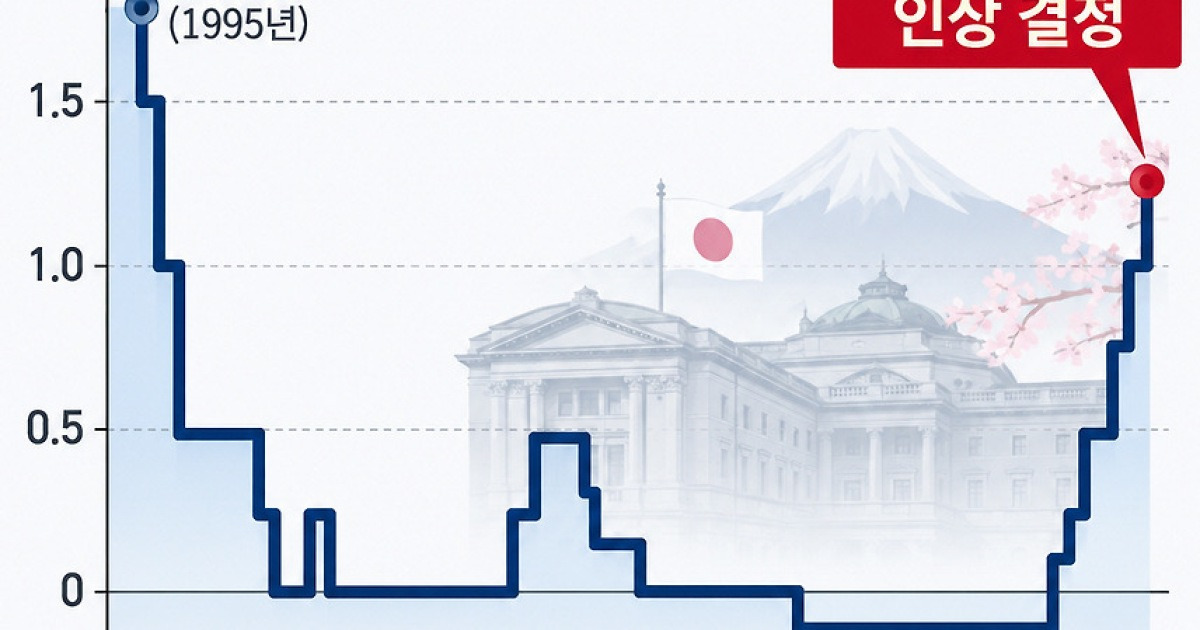
The BOJ Just Ended an Era
Three months after its first rate hike in decades, the Bank of Japan has done it again. The central bank raised its short-term policy rate from 1.0% to 1.25%—the highest level since 1995. Two policymakers dissented, arguing against the move. But the decision is clear: Japan’s long experiment with near-zero rates is over, and it is ending faster than most analysts expected.
The language in the BOJ’s statement tells the story. Last July, the bank warned that wholesale price pressures might spill over to consumers. Today, it says they are. The shift from “potential” to actual transmission is significant. For years, Japanese officials insisted inflation was a passing phenomenon driven by import costs, not a structural problem. The data is now forcing a reversal. Core core consumer prices have remained above the BOJ’s 2% target for over a year, and wage negotiations have produced the strongest settlements in more than three decades.
Lockstep With the Fed
The timing is not accidental. Two days before the BOJ announcement, the Federal Reserve raised its benchmark rate to 3.75–4.00%, the first increase in three years and two months. Kevin Warsh, the Fed chair, made the tone unmistakable: “Inflation has stayed too high for too long,” he said. “Today’s action marks the beginning of taking this seriously.”
The policy synchronization between Washington and Tokyo is unusual for central banks that have historically moved at different paces. The Korea-Japan rate differential has now widened to 1.00 percentage point—something that would have been unthinkable five years ago. And the Fed is signaling that more hikes could come this year.
This convergence is pushing other Asian central banks into a corner. Glenn In, investment strategy analyst at ACCM Prime, said the BOJ’s hawkish messaging while raising rates is a delicate balancing act, but it confirms the direction. The question now is who moves next. Australia’s central bank is the most exposed—In argued that elevated energy prices and inflation expectations give the Reserve Bank of Australia clear grounds to tighten by late September.
China’s central bank, operating in the opposite direction, makes the divergence stark. While the rest of Asia tightens, Beijing is cutting and stimulating, deepening the capital flow tensions across the region.
Who Loses When Yen Stops Being Cheap
The most immediate casualty will be the yen carry trade. For over a decade, institutional investors borrowed yen at virtually zero to fund higher-yielding assets across emerging markets, commodities, and riskier developed-market debt. That trade has been estimated at roughly $1 trillion in notional exposure at its peak. It was the single most important liquidity plumbing operation in global finance. That trade depends on one assumption: that the BOJ will keep rates down indefinitely. That assumption just died.
At 1.25%, borrowing yen is no longer free. It is barely cheap. Every basis point increase makes the carry trade more expensive to maintain. Unwinding will be gradual at first, then sudden—a pattern the market has seen before in 2007 and 2008, when the cost of funding abruptly exceeded the return on assets. The danger is not in the current level of rates but in the velocity of change. Markets have priced in two or three more hikes this year, but the trajectory itself is what matters. The direction of travel has shifted, and positioning based on the old regime is now exposed.
Emerging market debt holders should pay attention. A stronger yen and higher Japanese rates compress demand for EM bonds from one of the world’s largest creditor nations. Japan is the single biggest foreign holder of emerging market debt, with positions exceeding $800 billion across sovereign and corporate credits. When Japanese institutions start recalibrating, the selling pressure will be structural, not cyclical. Southeast Asian currencies, Latin American bonds, and frontier market instruments are all vulnerable to the same dynamic.
Commodity markets face a secondary squeeze. The yen carry trade has been a persistent source of demand for copper, oil, and industrial metals. As funding costs rise, the marginal buyer disappears. That does not mean a crash—demand fundamentals still matter—but it removes a floor that traders have come to rely on.
Japan’s Own Market Reckoning
Japan’s domestic asset markets face their own adjustment. Pension funds, life insurers, and banks have spent thirty years operating under the assumption that real yields would remain negative or near zero. Their liability structures, their business models, their risk frameworks were all built for that world. A 1.25% policy rate is still low by global standards, but the psychological break from the zero-bound is the more important shift.
Life insurers, which hold trillions in yen-denominated bonds to match long-dated obligations, now face a dilemma. Yields are rising, which improves new investment returns, but the market value of existing bond portfolios is falling. Banks with massive government bond holdings see paper losses mounting. The sector’s profitability was never going to stay suppressed forever, but the transition will create winners and losers in ways that have not yet fully played out.
The stock market has already been volatile around BOJ decisions. The Nikkei fell sharply each time rate hikes were anticipated, then recovered on the back of corporate earnings strength. But correlation between yen strength and equity performance is real—and it intensifies as rates rise. Exporters face headwinds. Importers gain. The composition of the market begins to rotate in ways that favor domestic-oriented sectors and penalize those dependent on cheap funding and overseas revenue conversion.
Corporate Japan is also adjusting. Companies that borrowed aggressively in yen during the ultra-low rate era now face higher debt-service costs. The yen-denominated bond issuance market, once dominated by developers and utilities seeking near-free funding, is cooling. Investors are demanding higher yields, and not every issuer can meet the new terms.
The Political Layer
There is also a political dimension that English-language analysis often misses. The Trump administration has publicly pressured Japan to address yen weakness, arguing that a stronger yen benefits American consumers through cheaper imports. The BOJ’s decision comes against that backdrop. Whether intentional or not, Tokyo is aligning with Washington’s demand even as it manages domestic inflation concerns. The independence of the Bank of Japan is being tested in real time.
This is not the first time external pressure has influenced Japanese monetary policy. In the 1980s, the Plaza Accord reshaped Japan’s exchange rate and contributed to the asset bubble that followed. The parallels are imperfect—Japan’s economy is far more mature now, and the yen’s role in global finance has changed dramatically—but the underlying dynamic of a creditor nation adjusting its currency under external scrutiny remains familiar.
What Comes Next
The trajectory is set, but the pace is uncertain. Three dissenting votes out of nine on the policy board suggest the BOJ is moving faster than some members prefer. If inflation continues to accelerate—especially if the Iran conflict keeps energy prices elevated—the bank may feel forced to move again within months. The Fed is already hinting at more hikes. The global tightening cycle is accelerating, not decelerating.
For Asian currencies, the message is blunt: the era of central banks prioritizing growth over inflation control is closing. Korea, Australia, and other regional policymakers will face mounting pressure to raise rates defensively. Emerging markets that borrowed in yen expecting it to stay cheap will learn a more expensive lesson. The window for gradual adjustment is narrowing.
The BOJ’s message this week was not revolutionary. But it is decisive. Japan has joined the United States in tightening, and the combined weight of both central banks is pulling global liquidity in a direction it has not moved since 2022. The free money era is over. The question now is who adjusts fastest—and who gets squeezed the hardest.