Zelenskyy Calls Trump's Russian Diesel Deal a Gift to Putin
Ukraine's president publicly rebukes Washington after Trump brokers a pact to import Russian diesel. The move exposes fractures in the Western alliance and tests US credibility on sanctions.
A Public Rebuke That Exposes a Fracture
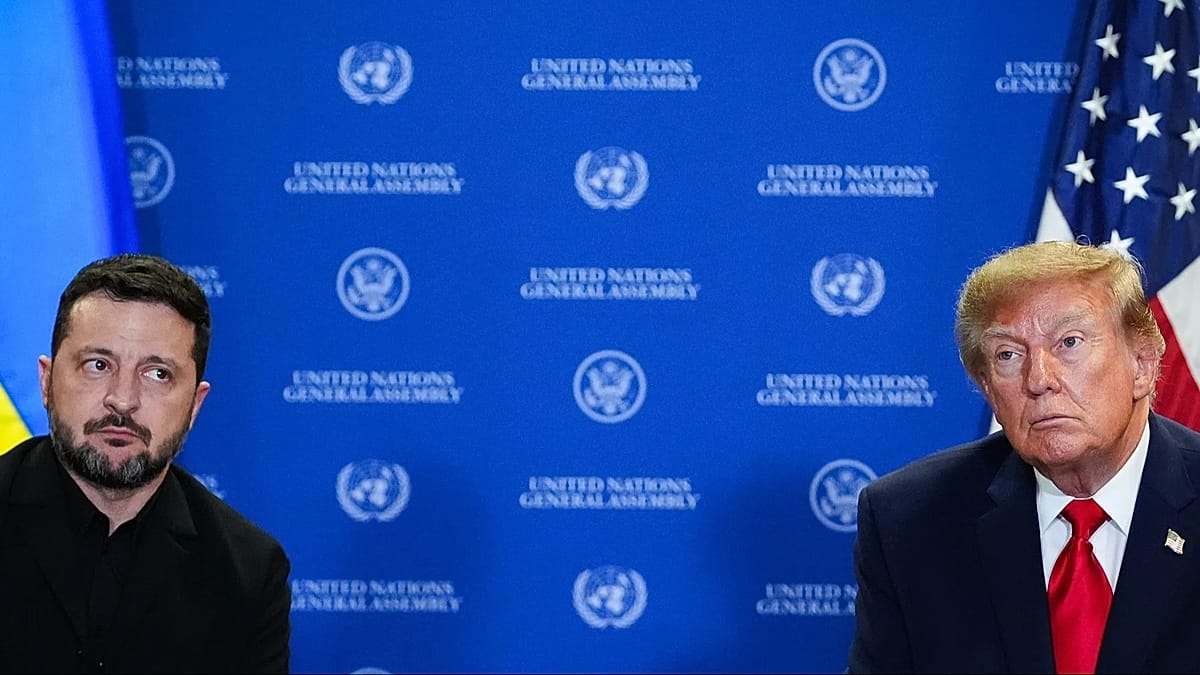
Volodymyr Zelenskyy did not mince words on X Friday. After Donald Trump announced that Russia would supply over 300,000 tons of diesel fuel to the American marketplace immediately and another 500,000 tons in November, the Ukrainian president called it “gifts to Putin.” He argued that allowing Russia to sell petroleum products was “an investment in a war that must be ended, not prolonged.”
The exchange is more than a diplomatic spat. It marks the sharpest public rupture between Kyiv and Washington since the war began—and it arrives at a moment when Western unity on Ukraine is already under strain.
Trump framed the deal as a move to lower energy costs for Americans, especially farmers, ranchers, and truckers, whose votes matter in the November midterms. He made no mention of Russia’s war in Ukraine or the sweeping sanctions he signed just a month earlier. The White House also declined to clarify who would pay for the diesel or when supplies would arrive, let alone whether the November deliveries would come before the election.
Russia’s presidential envoy Kirill Dmitriev celebrated the deal on social media, calling it “cooperation” that would “benefit the world.” The US Treasury Department issued a temporary license permitting the imports. All of this signals a swift pivot from coercion to engagement—a pivot that leaves Ukraine and its European partners wondering who is really setting American policy.
The Sanctions Contradiction
In September, Trump signed legislation imposing tough new sanctions on Russia’s energy sector, targeting revenues that fund Moscow’s war machine. The bipartisan law was designed to cut off key income streams and pressure the Kremlin into negotiations. Now, a week later, the executive branch is effectively carving out an exception for diesel, one of Russia’s most lucrative export commodities.
The contradiction is stark. Lawmakers who authored the sanctions measure said they expect the Treasury to target “major importers of Russian oil and gas.” Instead, Washington has become one of those importers. The department’s temporary license appears to bypass the very restrictions the law intended to enforce.
Legal scholars and energy analysts note that diesel imports from Russia are not unprecedented—the US bought Russian fuel during the 2022 energy crisis when prices spiked. But those purchases were driven by market necessity, not a presidential announcement of “cooperation” with Vladimir Putin. This time, the language of deal-making and price relief replaces the language of punishment.
Who Wins, Who Loses
Donald Trump wins politically in the short term. Cheap diesel lowers costs for agricultural and transport sectors that form his electoral base. The timing—just weeks before the midterms—suggests a calculated move to demonstrate economic stewardship. Whether the supplies arrive before November 3 remains unclear, but the announcement itself is a political asset.
Vladimir Putin wins strategically. The deal injects fresh revenue into Russia’s war economy and legitimizes Moscow as a reliable energy supplier to the West, despite ongoing hostilities. It also splits the transatlantic alliance, a goal Russia has pursued for years. If the US is willing to buy Russian fuel, why should Europe adhere to stricter embargoes?
European allies lose credibility and leverage. The EU has already imposed price caps and phased out Russian oil. Germany and Poland have led efforts to isolate Russia’s energy sector. Now Washington appears to be walking back those commitments unilaterally. The European Commission has not yet responded publicly, but behind closed doors, officials are likely alarmed. A fractured approach weakens the bargaining position of every diplomat pushing for a negotiated settlement.
Ukraine loses tangible support. Zelenskyy’s rebuke underscores a painful reality: Kyiv cannot rely on consistent American policy. Each shift in tone—from sanctions to engagement, from condemnation to deal-making—undermines the strategic clarity that has sustained Ukrainian resistance. If Washington signals that energy deals trump human rights or territorial integrity, other allies may follow suit.
The Peace Process Implications
Trump has hinted at his ability to broker a peace deal with Putin, often framing himself as the only leader who can end the war. This diesel pact may be a preview of that strategy: offering concessions in exchange for Russian cooperation on other issues, such as grain exports or prisoner swaps. But Zelenskyy’s public rejection makes clear that Kyiv will not be sidelined in any agreement that affects its sovereignty.
The question is whether Trump will adjust course. His administration has shown a willingness to override congressional intent when it suits his agenda. Yet bipartisan support for Ukraine remains strong in both parties. Lawmakers from states that benefit from defense contracts and humanitarian aid may push back against further energy deals that reward Moscow.
Congress could respond by tightening sanctions enforcement, withholding funds for additional imports, or even challenging the Treasury’s license in court. The speed of that reaction will depend on partisan calculations ahead of the midterms. If Democrats frame the deal as appeasement, they may gain ground. If Republicans rally behind Trump’s economic messaging, sanctions could erode further.
What Happens Next
Within days, expect European capitals to issue cautious statements urging “consistency” in US policy. Germany’s foreign minister may call for dialogue; Poland’s government might demand clarification. Brussels could propose emergency measures to shield its own markets from volatile Russian fuel flows.
In Washington, energy companies may quietly prepare terminals for Russian diesel, though logistical timelines are unclear. The Treasury’s temporary license will likely face legal challenges from environmental and Ukraine-focused advocacy groups. Congressional hearings are probable.
For Kyiv, the immediate impact is diplomatic. Zelenskyy’s government will accelerate lobbying efforts in London, Paris, and Berlin to secure alternative funding and military aid. The message to European leaders will be simple: if the US is unreliable, Europe must step up.
The Bigger Picture
This episode reveals a deeper tension in American foreign policy. Trump’s “America First” doctrine prioritizes domestic economic gains, even at the expense of long-term alliances. The diesel deal is a transactional move in a geopolitical landscape where trust is the currency of cohesion. By choosing short-term price relief over strategic consistency, Washington risks fracturing the very coalition that has contained Russian aggression.
Zelenskyy’s public anger is a symptom of that fracture. It is also a warning: when one ally defects, others may hesitate to follow. The cost of that hesitation could be measured in territory lost, lives lived under occupation, and a settlement that freezes rather than resolves the conflict.
The next few weeks will test whether Trump’s pivot is a tactical adjustment or a strategic realignment. For Ukraine, the difference is existential.