Albania Protests Show Trump Brand Is a Liability
Student-led protests in Albania have spiraled into their eighth day after police used water cannons and rubber bullets against demonstrators. The Spark: a Kushner-backed luxury resort on Sazan Island. The consequence: a crisis for EU accession, US soft power, and the future of a country already bleeding young people.
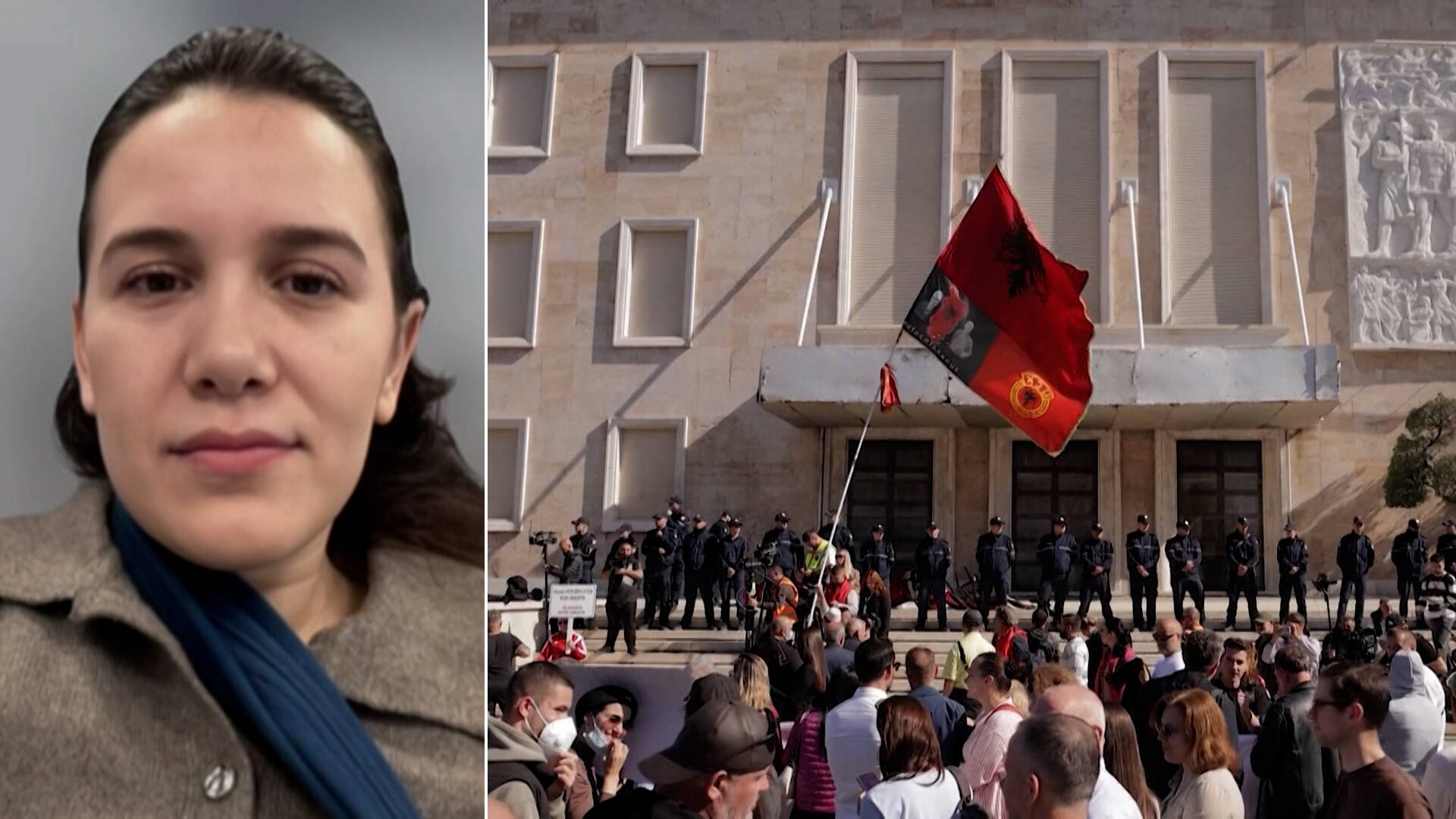
What Albania’s Burning Streets Reveal About the Trump Brand Abroad
For more than a week, thousands of young Albanians have been clashing with riot police in the center of Tirana. Water cannons. Rubber bullets. Sound grenades. Over 500 arrests in the first days alone, some held for 72 hours without food or water despite court orders calling the detentions illegal. The protests began in May as an environmental campaign against a luxury resort on Sazan Island, an ecologically sensitive nature reserve off Albania’s southern coast. Today they are calling for the resignation of Prime Minister Edi Rama and, in some voices, something far more radical: a revolution.
The resort is the project of Jared Kushner and Ivanka Trump. It was fast-tracked through the Albanian government. That linkage has turned an environmental grievance into something far more dangerous for the administration it represents: a visible, daily reminder that American political branding can be sold to the highest bidder in Europe’s most overlooked corner.
How a Beach Project Becomes a National Crisis
The Spark, as it were, was straightforward. Sazan Island and the adjacent Zvërnec wetlands are protected natural areas on the Albanian Riviera. Environmentalists spotted a development proposal backed by the Trump Organization’s inner circle and organized rallies in May. The movement they built became known as the Flamingo Revolution, named for the bird species that nests on Sazan.
For 135 days, the protests remained largely peaceful. That changed last week when students boycott classes, arguing that attending university while the country is in upheaval amounts to complicity. Professors have sided with them. The academic calendar, which begins in early October, has been effectively halted in large parts of the country.
The government’s response escalated in kind. Prime Minister Edi Rama, who has led Albania for 13 years and holds a parliamentary majority, set up chairs outside Parliament in a symbolic gesture toward dialogue on Sunday. Protesters knocked them over. He then went on television and accused the demonstrators of being inspired by antifa, a term the US president has designated as a terrorist organization. There is no evidence linking the Albanian protests to any American or European antifa group.
Rama also warned that the unrest could jeopardize Albania’s bid to join the European Union by 2030. The irony is thick: it is the government’s own actions — the resort deal, the police violence, the corruption scandals — that are making that timeline look increasingly impossible.
The Corruption Is the Point
Albania is, by most international measures, a narco-state. The Italian prosecutor’s office has linked ministers to the mafia. The head of Albania’s secret service is under house arrest for leaking state secrets to Ergys Agasi, the prime minister’s alleged fixer. Supermarket prices exceed those in Germany while wages sit at or near the bottom of the European spectrum. Half a million young Albanians have left the country in the past decade.
The Sazan resort is not a random development. It is a symptom of a system in which land, coastline, and regulatory process are treated as commodities to be handed to well-connected outsiders. That outsiders happen to carry the Trump name makes the arrangement both more profitable and more politically toxic.
What the protesters are describing is not merely anti-corruption sentiment. It is anti-systemic anger. Luljeta Kola, a demonstrator quoted on Democracy Now, put it plainly: “What does Albania want? It wants a revolution, a change, a complete overthrow of the system.” Uliks Skenderaj added: “All of the politicians from both parties should be gone. This is what the new generation wants.”
Who Wins, Who Loses
For Edi Rama, the calculus is brutal. Stay the course and risk becoming the first post-communist Albanian prime minister ejected by street protests. Concede and hand power to a movement that does not distinguish between Socialist Party and opposition figures. Either outcome is damaging. His claim that protesters are ideologized by a foreign terrorist organization is a deflection, not an analysis.
For Kushner and the Trump brand, the calculus is worse. A luxury resort on a protected island is a real-estate play. A protest movement calling for the overthrow of the government that greenlit that resort is a reputational disaster. The Trump name has become, in this context, a liability rather than an asset — a symbol of extraction rather than opportunity.
For the European Union, the stakes are structural. Albania’s accession谈判 have been ongoing for years. The commission, led by Ursula von der Leyen, has expressed confidence that Albania will meet its obligations. But confidence does not close borders. If the EU watches a partner government crack down on student protesters while fast-tracking a Trump-branded resort, the credibility of the entire enlargement process takes a hit. The message to other Western Balkan capitals is either that membership is conditional on suppressing dissent or that it is conditional on welcoming American real-estate deals. Both are uncomfortable.
For the United States, the implication is subtler but sharper. America’s soft power in the Balkans has always been fragile. A son-in-law of the president turning Albanian coastline into a luxury development opportunity does not strengthen the case for American leadership. It reinforces a perception already widespread in the region: that Washington’s interests are transactional, not principled.
What Happens Next
The next elections are not due until 2029. Rama has no incentive to resign on his own. The question is whether the protests can sustain themselves through the winter. Student movements have a track record of fading when campus life resumes. But this movement is not only about education. It is about land, about corruption, about a generation that has decided its future lies elsewhere.
If the protests continue, expect a harder crackdown. If they recede, expect a political cycle in which every subsequent scandal is viewed through the lens of Sazan. The resort itself is unlikely to disappear — the legal and financial architecture behind it is too embedded — but its political cost will keep rising.
Albania’s young people are not asking for permission to leave. They are already gone, in numbers that strain the country’s demographic and economic fabric. What remains is a protest movement that has found, perhaps unexpectedly, that the name on a resort sign can become a banner for a revolution.