Apple's Foldable iPhone Gives Samsung Display a Clear Edge Over LG
Apple's first foldable iPhone Duo relies exclusively on Samsung Display for its screen — a decisive shift that widens the gap between Korea's two OLED giants and signals what happens when Cupertino enters the foldable race.
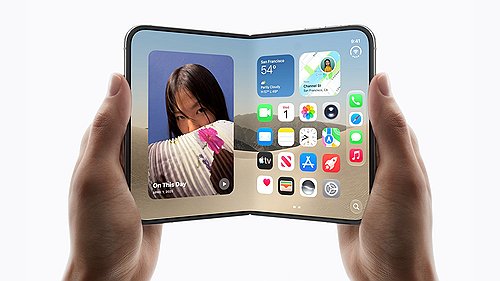
The Foldable Game Just Changed — and Samsung Is Already Ahead
Apple unveiled its first foldable phone, the iPhone Duo, on September 9 at Apple Park. What may seem like a product launch story actually masks something more consequential: a realignment of the OLED display supply chain that gives Samsung Display a structural advantage over its Korean rival LG Display, and forces Samsung Electronics into a posture it has not held in years.
The iPhone Duo’s foldable OLED panel comes exclusively from Samsung Display. That detail matters far more than the device itself.
Apple’s non-foldable iPhone 18 Pro and Pro Max use OLED panels from both Samsung Display and LG Display — a setup that mirrors the existing dual-supplier model Apple has cultivated for its flagship phones for several years. But the Duo, the company’s inaugural entry into the foldable smartphone market, is a Samsung Display–only affair. Apple chose one vendor for its most ambitious new form factor, and that vendor is the same company that already supplies Samsung Electronics’ Galaxy Z Fold and Z Flip devices.
Why This Matters Beyond Korea
Foldable smartphones represent one of the few remaining growth frontiers in mobile. The category is still niche — roughly 10 to 12 percent of global smartphone shipments, depending on the quarter — but it is growing faster than any other segment. Every dollar Apple invests in foldables pulls billions in additional demand for foldable OLED panels, and whoever supplies them captures outsized leverage.
Samsung Display now holds that leverage for Apple. LG Display does not — at least not yet.
This is notable because LG Display has been aggressively courting Apple for foldable panel business. The company has invested heavily in next-generation foldable OLED production capacity at its Goyang facility, and executives have publicly stated that winning Apple’s foldable orders is a strategic priority. Losing that bid to Samsung Display is a setback that will echo through the rest of the decade, particularly as Apple eventually rolls out more affordable foldable variants.
The financial impact is already visible in Korean brokerage forecasts. Samsung Display’s second-half (Q3–Q4) revenue is expected to reach 17 to 18 trillion Korean won, with operating profit of 2 to 3 trillion won — roughly double the first-half estimate of 1.1 trillion won. LG Display’s figures tell a different story: revenue should rise about 20 percent in the second half to 13.7 trillion won, and operating profit should climb from roughly 39 billion won in the first half to about 90 billion won. Both companies see meaningful upside from Apple’s new product cycle. But the gap between them is widening.
Who Wins, Who Loses
Samsung Display wins the most obvious way: a sole-source contract for Apple’s first foldable phone, combined with its existing position as the primary supplier for Samsung Electronics’ own foldable lineup. The company is effectively insulating itself from the very customer it also supplies.
LG Display wins too — by comparison. The iPhone 18 Pro panel orders are substantial, and LG’s mobile OLED segment revenue is projected to jump 47 percent in the second half, from 3.8 trillion won to 5.6 trillion won. That is a strong recovery from a first half that saw profit margins under pressure from capacity investment and yield爬坡 issues. But it is a smaller prize than the foldable contract, and it carries different risk: LG’s panel assignments are not exclusive, meaning Samsung Display could reclaim volume at any point in the supply cycle.
Samsung Electronics sits in an ambiguous middle ground. Its Galaxy Z series benefits from guaranteed high-margin panel supply through its sister company, Samsung Display. But the iPhone Duo’s arrival introduces a credible competitive threat in the foldable category that Samsung Electronics has not faced before at this level of brand prestige and ecosystem integration. Apple is not entering foldables to capture marginal users — it is entering to redefine the category. The iPhone Duo’s pricing and feature set have yet to be disclosed in the source material, but historically Apple’s first entry into any new form factor arrives with a significant price premium and a focus on design polish over raw innovation. That still changes the competitive calculus.
What Happens Next
The immediate aftermath will play out through supply chain disclosures in the coming months. Apple’s iPhone 18 lineup enters volume production in the third quarter, with panel shipments ramping toward a fourth-quarter peak — the normal seasonal pattern for any new iPhone generation. The iPhone Duo’s commercial availability timeline has not been disclosed, but given Apple’s typical launch cadence, a late 2026 release is plausible.
The longer-term question is whether Apple will ever split foldable panel sourcing the way it does for flat OLEDs. LG Display’s management has every incentive to believe it will, and the company will likely continue investing as if that day is coming. But until it does, Samsung Display holds a unique position in the OLED ecosystem: it is simultaneously the primary supplier for the two largest Korean smartphone brands and the exclusive supplier for Apple’s most important new product category.
No Western desk has yet connected these dots. The ‘Apple effect’ framing in Korean media correctly identifies the earnings tailwind for both display makers, but it understates what is really happening: Apple’s foldable strategy is quietly consolidating Samsung Display’s dominance at the exact moment the industry needs new growth drivers. For LG Display, the opportunity remains real but narrowed. For Samsung Electronics, the foldable crown is still secure — for now.