Apple's iPhone Price Hike Is Smaller Than It Could Be
Apple is raising iPhone prices again, following Samsung and Google, but the expected bump is modest compared to previous product hikes. The real story is what Apple is absorbing versus passing on—and whether the rest of the industry will follow.
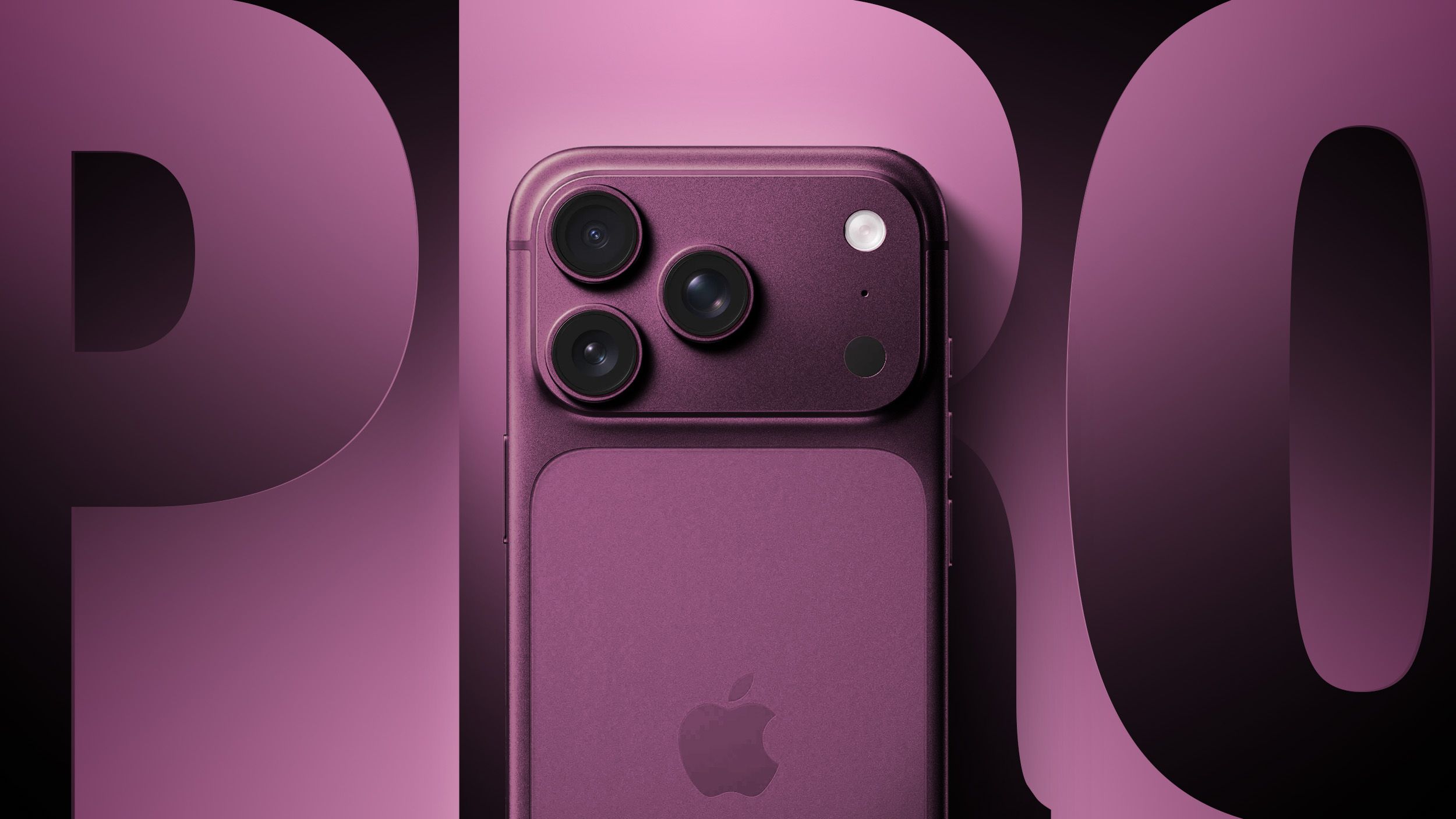
The Quiet Math Behind Apple’s Next Price Hike
Apple is preparing another round of iPhone price increases, Bloomberg’s Mark Gurman reports. The specific figures haven’t landed yet, but the trajectory is clear: expect a roughly $100 bump on the iPhone 18 Pro, lifting it from $1,099 to around $1,199—a near 9% jump.
That number matters less than what it leaves on the table.
Two months ago, Apple raised prices across Macs and iPads by an average of 23%. The memory and chip supply chain crisis driving those hikes is hitting iPhones too. By Gurman’s own assessment, $100 is a “fairly modest bump” given the severity of the shortage. Apple is absorbing more of the cost than it’s passing on to buyers.
That restraint is strategic. And it’s not just about keeping sticker shock at bay.
Why the iPhone Gets a Break
The iPhone carries Apple’s margins—and its loyalty. A $100 increase keeps the device broadly aligned with Samsung and Google’s latest pricing moves, avoiding the kind of whiplash Mac and iPad buyers experienced. Apple’s customer base, particularly in the Pro segment, has demonstrated a willingness to pay premium prices year after year. That gives the company breathing room to absorb some supply-chain pain before pushing further.
But the breathing room has limits. Apple has already flagged gross margin pressure this quarter. The message is straightforward: costs are rising faster than revenue can offset them, at least for now.
The new Apple Upgrade subscription program adds another layer. By letting buyers spread the higher cost across monthly payments rather than paying upfront, Apple softens the immediate sting of a price increase. It also shifts the financial burden into a recurring model—more predictable for Apple, less painful for consumers in the moment. That’s a subtle but significant shift in how the company extracts value from its installed base.
There’s a second-order effect here that deserves attention. When Apple makes upgrades feel cheaper on a per-month basis, it may inadvertently compress the trade-in and secondary resale market. Buyers who previously held onto older devices for two or three years to justify an upgrade may now see the calculus shift—if the next phone costs $1,199 instead of $1,099, the residual value of a two-year-old iPhone looks even less compelling. This could accelerate the subscription funnel, which is exactly where Apple wants you.
The HBM and NAND pricing spiral that’s driving these costs isn’t theoretical. Memory module suppliers have been reporting lead times stretching well beyond historical norms, and the cost per gigabyte hasn’t come close to trending back down despite a brief post-pandemic dip in 2023. The AI workload boom has effectively rerouted a meaningful share of advanced memory capacity toward data center applications, leaving consumer electronics to compete for whatever remains—usually at a premium.
The Industry Signal
Samsung and Google both raised their latest smartphone prices by roughly $100 when faced with the same component shortages. Apple isn’t following them blindly, but it’s watching closely. A synchronized move would normalize higher prices across the premium segment and make individual hikes less jarring for consumers.
If Apple goes slightly below that $100 mark, it could actually create downward pressure on rivals. If it matches or exceeds it, the whole premium market slides upward. Either way, the $100 benchmark is becoming the de facto industry standard for absorbing memory and chip costs.
This is the new normal, not a temporary adjustment. Memory supply constraints aren’t resolving quickly. China’s export controls on certain rare earths and semiconductor materials have tightened the pipe. Foundry capacity for advanced nodes remains concentrated in a handful of facilities. None of this reverses in a quarter.
What’s more, the competitive dynamics between Samsung and Google deserve scrutiny. Samsung manufactures its own memory and SoCs, which gives it a structural advantage in margin protection that Google—which sources from TSMC and other foundries—doesn’t enjoy. If Apple’s $100 hike falls short of what Google needs to maintain its margins, the search giant may absorb more cost and sacrifice profitability, or push higher, widening the price gap between Pixel and iPhone within a single generation. That could matter for Google’s ambitions to reposition the Pixel as a serious AI-first phone at a competitive price point.
Who Wins. Who Loses.
Apple wins if it can hold customers at higher prices without triggering a mass defection to Android flagships. That’s plausible but not guaranteed—premium smartphone buyers are more price-sensitive than Apple sometimes assumes, especially in markets like Europe and India where currency headwinds make dollar-denominated hikes feel steeper.
Samsung and Google win if Apple absorbs less cost than they do, forcing Apple to choose between margins and market share. They also win if Apple’s restraint signals weakness rather than strategy.
Consumers lose on price. The question is how fast losses compound. If every major maker follows Apple’s lead, the next iPhone cycle could see a second round of increases. Subscription programs like Apple Upgrade make that easier to swallow month by month, but the cumulative cost is higher.
The emerging loser may be mid-range smartphones. As premium models shift upward, manufacturers often pull back R&D investment from the middle tier, assuming consumers will either trade up or look for budget alternatives. But in a market where purchasing power is already constrained in key regions, that squeeze could leave a hollowed-out segment with fewer viable options—a scenario that benefits Apple most, since it operates almost entirely above the middle.
What Happens Next
Gurman says Apple has room to go higher on the iPhone than it did on Macs and iPads because of brand loyalty and the relatively smaller historical gap between iPhone and competitor pricing. That assessment is worth watching. If the next price increase lands at $150 instead of $100, the modest framing collapses.
Apple’s wider hardware ambitions—camera-equipped AirPods, AI-enhanced HomePod and Apple TV models, smart glasses positioned as health devices—are all running against the same supply-headwind backdrop. Those products may face their own pricing pressures before they even reach shelves.
For now, the iPhone hike is the canary. The bird hasn’t flown yet, but the mine is filling with gas.
The broader implication extends beyond Cupertino. When Apple shifts a product category’s price floor, competitors recalibrate. Suppliers extract more. Consumers adapt—or leave. The premium smartphone market is tightening around a single constraint: memory. Until that bottleneck clears, every player is walking a ledge.
Apple’s moving carefully, and its willingness to absorb cost rather than trigger a brand-damaging price shock is the right call for the short term. But absorption has a ceiling. The subscription model buys time, the ecosystem lock-in buys patience, and the brand buys a little grace. What it doesn’t buy is permanence. When the next cycle comes—and Apple has already signaled that the iPhone 18 may introduce larger base storage at higher price points—the math gets harder, and the choice between margin and volume becomes sharper. The question isn’t whether Apple will pass on more cost. It’s how much it can absorb before the strategy stops looking like discipline and starts looking like delay.