The Dragon Ball Z Deal That Reveals What Anime Has Become
A €6 billion Dragon Ball Z theme park near Paris, funded by Saudi Arabia, is more than a cultural novelty. It shows how anime IP has become a diplomatic asset and a vehicle for Middle Eastern soft-power export.
The Dragon Ball Z Deal That Reveals What Anime Has Become
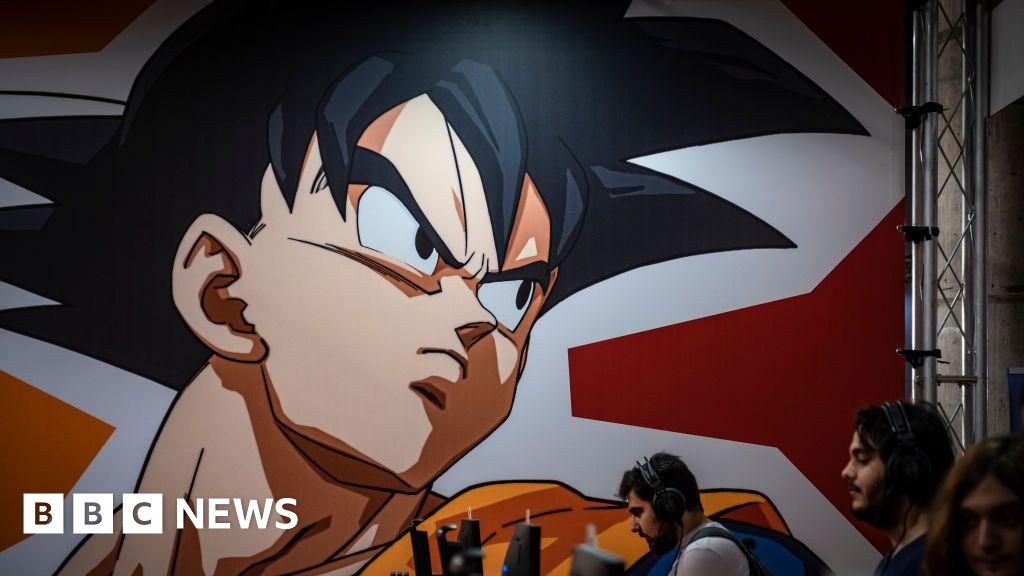
Emmanuel Macron and Mohammed bin Salman share a hobby: Dragon Ball Z. This is the detail that makes the €6 billion theme park deal between France and Saudi Arabia feel almost accidental — two leaders bonding over manga and then turning that bond into infrastructure. But the park, planned near Cergy-Pontoise on the site of the long-closed Mirapolis, is anything but accidental. It is a deliberate fusion of Japanese cultural capital, Middle Eastern financial power, and European tourism strategy. And it signals something most outlets covering the deal are missing: anime fandom is no longer just entertainment. It is a diplomatic bargaining chip.
The project, led by Qiddiya Investment Company — a vehicle of Saudi Arabia’s sovereign wealth fund — will deliver three theme parks in stages. Construction will take years. An opening date has not been set. But the scale of the investment is clear: €6 billion, or roughly £5.13 billion, which Macron himself compared to the original Disneyland Paris deal. The Élysée says the project will create about 2,000 jobs. Those are concrete figures in an agreement that is as much about image as economics.
The Mirapolis site is significant. The park closed 35 years ago, a symbol of French theme park ambition that never quite matched its American counterpart. Rebuilding something on that ground with Saudi money and Japanese IP is a layered statement. France is offering location and legitimacy. Saudi Arabia is offering capital and a brand it already cultivates — Qiddiya already announced plans in 2024 to build a Dragon Ball Z park near Riyadh. Paris is not a rival proposal; it is an expansion of the same strategy into a different market.
That strategy is soft power, and it is one that Saudi Arabia has been building toward for years. Crown Prince Mohammed bin Salman has made cultural investment a pillar of his Vision 2030 diversification plan. The move of the Esports World Cup from Riyadh to Paris during the Crown Prince’s visit — due to safety concerns over the conflict in the Middle East — was itself a signal. The event still happened. It just happened elsewhere. Then Macron hosted him there, and the Dragon Ball deal was unveiled. The sequence matters: cultural projects first, geopolitical negotiations later.
The rest of the visit included agreements on health, transport, and energy. Talks on the US and Iran conflict were also expected. But the Dragon Ball announcement, with its personal framing, was the cover story. And that is the point. When a head of state references his own manga passion in a press briefing — Macron ended a session with Japanese Prime Minister Sanae Takaichi earlier this year by making a Dragon Ball hand gesture — the line between personal interest and statecraft blurs deliberately. It is a way of making hard diplomacy feel human. It works.
For Japan, the deal is both opportunity and reminder. Dragon Ball Z is one of the most valuable anime IPs in the world, and its commercial reach extends far beyond merchandise and streaming. But the intellectual property belongs to Japanese creators and publishers. France and Saudi Arabia are building parks around it without Japan sitting at the negotiating table for this deal. That is the asymmetric leverage of soft power: it can be borrowed, repackaged, and monetized by others. Japan benefits when Dragon Ball draws visitors to Paris or Riyadh. But Japan does not control the architecture of that benefit.
The economics of IP-driven tourism are well understood in principle but rarely this explicit in practice. Disney built an empire on that logic. Universal Studios followed. Now a Japanese franchise is being used as a foundation for a Saudi-French development. The model works because anime fans are a reliable tourist demographic — they travel, they spend, they return. A Dragon Ball Z park is not gambling on vague cultural appeal. It is targeting a global fanbase with proven spending habits.
What happens next is less about theme parks than about what this deal normalizes. Anime has become a commodity that sovereign wealth funds can deploy like any other asset. Cultural affinity is a tradable good. When Saudi Arabia can pair its capital with a Japanese manga franchise and site it in France, the traditional categories of cultural influence start to look porous. Japan produces the IP. Saudi Arabia funds the infrastructure. France provides the location. No single nation owns the resulting attraction, and that is exactly the point.
The former Mirapolis site, if redevelopment proceeds, will transform a piece of French leisure history. But the broader transformation is happening in the diplomacy room. Macron called the visit an important milestone. He has framed France and Saudi Arabia as partners on Middle Eastern stability. The Dragon Ball Z deal is the visible piece of that partnership — colorful, personal, photographable. It is also the most durable. Geopolitical agreements shift with administrations. A theme park lasts decades.
The opening date remains unset. Construction will take years. But the deal is already doing work. It gives France a tourism headline on the scale of Disneyland Paris. It gives Saudi Arabia a cultural anchor in Europe. It gives Dragon Ball Z a physical footprint on two continents. And it gives the rest of us a clearer view of how soft power operates in 2025: not through armies or aid, but through shared fandom and sovereign wealth.