Fed's Rate Hike Shows Trump Can't Control the Bank
The Federal Reserve raised rates for the first time since 2023, defying President Trump's demands for lower borrowing costs. The move signals a new era of central bank independence — and sends shockwaves through global markets.
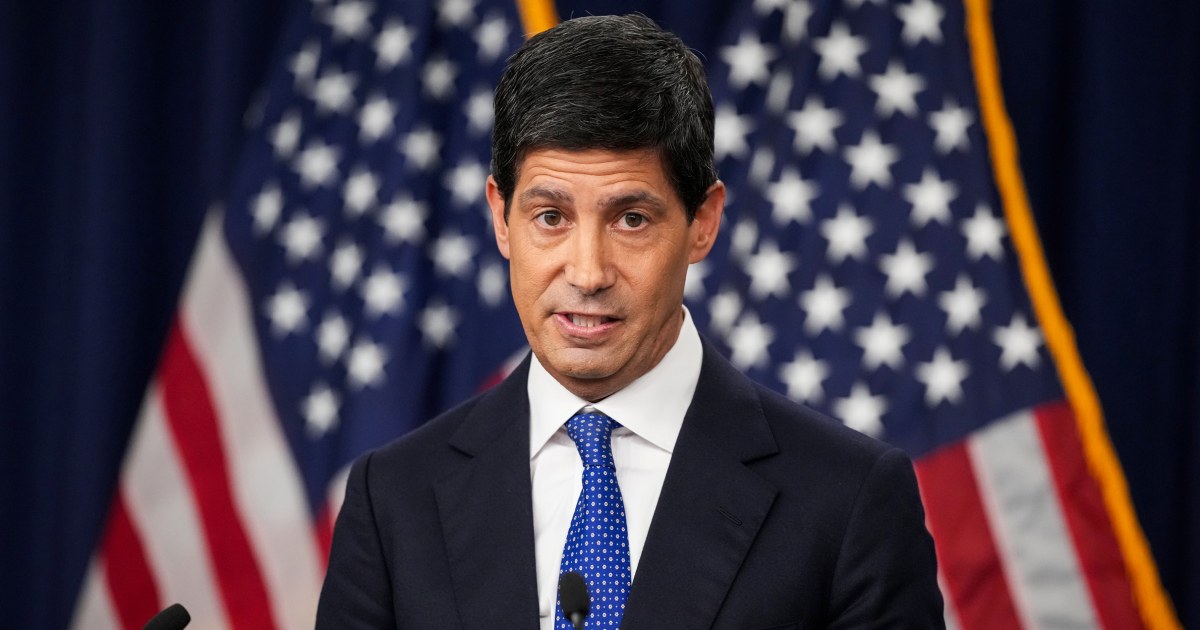
The Fed Just Redefined Its Independence
The Federal Reserve raised its benchmark rate by a quarter percentage point on Wednesday, pushing it to between 3.75% and 4.00%. Every FOMC member voted in favor. And every one of them likely expects another hike before the year ends.
The timing was unmistakable. President Donald Trump spent months demanding rate cuts, telling NBC News in February that his choice of Fed chairman Kevin Warsh would never have happened unless Warsh shared his agenda. By Wednesday evening, Trump was tweeting — or posting on Truth Social — that the benchmark rate “should be 1% or less” because the U.S. has “the Best Credit in the World.”
It isn’t. Canada, Australia, and Germany all hold higher S&P ratings.
But the real story isn’t the taxonomic error. It’s that Warsh and the committee made clear, publicly and unanimously, that political pressure from the White House will not bend monetary policy. “We are sending a clear message that the Fed will not tolerate inflation drifting further above target,” said Brian Rehling at Wells Fargo. In other words: this central bank is independent in a way the Trump White House apparently did not fully grasp when it walked in.
The Iran War Changed Everything
Trump had talked rate cuts into early spring. The Iran war changed the math almost overnight.
On February 28, the U.S. and Israel launched strikes on Iran. Within months, oil prices surged, gas prices climbed more than 45%, and inflation — already sticky — jumped to 3.4% by August. That figure sits above average U.S. wage growth of 3.1%, a combination that historically pushes central banks into action rather than pause.
Warsh acknowledged Wednesday that the Fed cannot control the price of oil at the pump or groceries in the aisle. What it can do — and what it chose to do — is ensure that those price shocks don’t cascade through the broader economy. “Any change in relative prices don’t broaden out, don’t have second and third order effects,” he said. That language, measured as it was, carried an implicit warning: if inflation expectations start to unanchor, the Fed will keep tightening.
Markets Reacted With a Reversal
The news moved quickly. Stock indexes that had risen earlier in the session reversed course. The S&P 500 finished down 0.4%, the Nasdaq flat, and the Dow dropped 630 points. IBM, Goldman Sachs, Boeing, and American Express all sold off.
Bonds told a different, sharper story. The 10-year Treasury yield climbed back toward levels not seen since 2007. The 30-year bond yield dipped slightly but remains near multi-year highs. Warsh attributed the surge to three forces: resilient economic growth, geopolitical disruption in the Middle East and Ukraine restricting energy supplies, and a fresh wave of demand for capital from artificial intelligence companies.
That third factor is easy to overlook but could be the most durable. AI infrastructure spending is pulling institutional capital away from government bonds and toward equities, creating a structural upward pressure on yields that has nothing to do with the Fed’s next move. When Warsh says the Fed must “stay in its lane,” he is also acknowledging that the lane itself has grown wider — and more contested.
What This Means for Trump
Trump’s frustration is real. But so is the Fed’s resolve. The chair walked out of the press conference without even addressing the president directly. Asked what message he had for Trump, Warsh replied simply: “I’ve got nothing for you on a discussion with the president.”
That silence was louder than any quote. It told the market, the White House, and Washington’s institutional observers that the Fed will not negotiate its mandate.
Historically, rate hikes cluster. When a central bank raises once, it often follows with more. As of this week, all but two FOMC members projected another increase before December. That means Trump will face a choice: accept the Fed’s independence and try to work around it, or escalate the public fight — and risk further unsettling markets that are already pricing in geopolitical risk and rising borrowing costs.
The Global Read-Through
Allies and adversaries alike are watching Washington closely. A Fed that refuses to accommodate political pressure sends a signal about the durability of American institutions — one that matters when investors allocate capital across borders.
The dollar, already sensitive to rate differentials, could strengthen if the Fed continues hiking while other central banks hold or cut. That would make U.S. exports more expensive and complicate trade negotiations. For European and Asian partners, a stronger dollar carries its own headaches: imported inflation, capital outflows, and currency depreciation.
Meanwhile, the war with Iran and its toll on energy markets ensures that global inflation dynamics remain unpredictable. The Fed’s message is clear — it will prioritize price stability over political convenience — but the path there is bumpy. Higher rates slow demand, but they also raise debt service costs for governments and corporations already burdened by years of cheap money.
The Bottom Line
The Fed’s rate hike is more than a monetary policy decision. It is a statement about who holds the leash in Washington. Trump wanted a compliant central bank. He got one that just raised rates — unanimously, definitively, and without apology.
Warsh and the committee have drawn a line. Whether Trump crosses it, accepts it, or reshapes it over time will define not just the next chapter of U.S. economic policy but the credibility of American institutions on the global stage.
For now, the Fed is in its lane. The question is how long the lane stays clear.