The Loophole That Nearly Let a Pilot Crash a Jet Into Tel Aviv
A co-pilot attacked a FlyDubai flight en route to Tel Aviv, intending to crash it into Ben Gurion Airport. How did an Omani national clear vetting for a route into a country with no diplomatic ties? The incident exposes a chain of security failures—and a cockpit-access gap that could affect flights worldwide.
The Intent Was Clear
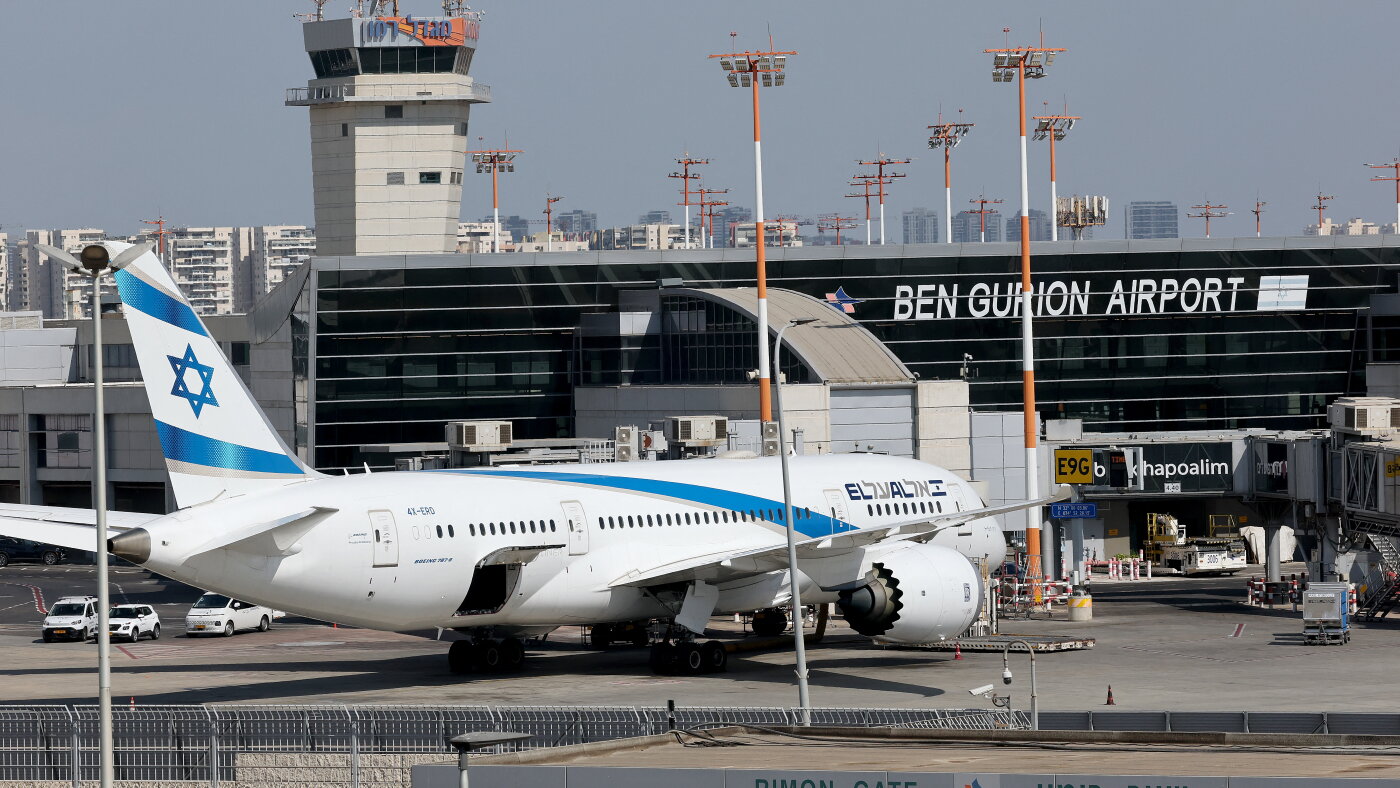
An investigation into last week’s attack on a FlyDubai plane has concluded that the co-pilot who assaulted the captain intended to crash the aircraft into Tel Aviv’s Ben Gurion International Airport. The flight was on a routine morning landing when the attacker wielded a crash axe—a lightweight emergency tool stored in the cockpit—and tried to seize control of the jet.
All 172 people on board survived after the plane made an emergency landing in Saudi Arabia. Passengers rushed into the cockpit and subdued the attacker; a second pilot on board helped land the aircraft. Both the captain and co-pilot were hospitalized and later transferred to the United Arab Emirates for questioning. The motive remains unclear, and officials believe the co-pilot likely acted alone, though the investigation is ongoing.
What is clearer is how the attacker—identified as an Omani national—was able to board a flight destined for Israel in the first place.
A Loophole in Plain Sight
Israel does not maintain diplomatic relations with Oman. Under normal rules, Omani pilots are barred from flying into Israeli airspace. Yet the co-pilot on this Dubai‑to‑Tel Aviv route held credentials that passed initial vetting, a failure that Israeli Prime Minister Benjamin Netanyahu called a “loophole.”
The breach is not merely procedural; it is systemic. The UAE is leading the investigation, with Israeli assistance, but Israel’s Ministry of Transportation and security services have already traded accusations over oversight. Netanyahu announced a formal review of security around “foreign civil aviation into Israel,” but no timeline or specifics were given.
For airlines and regulators, the incident raises a blunt question: if an Omani pilot could clear checks for a flight to Tel Aviv, what other gaps exist in the web of cross‑border aviation security?
The Descent That Almost Wasn’t Stopped
Flight‑tracking data from Flightradar24 shows the aircraft descended more than 14,000 feet—in nearly three miles—in under 30 seconds. That is a steep, rapid drop that would have put the plane on a collision course with the airport had the captain not regained control of the door and passengers not stormed the cockpit.
The attacker used a crash axe, a tool designed for emergency access after a hard landing, not for combat. Its presence in the cockpit underscores how ordinary aviation equipment can be turned into a weapon when protocols fail.
Israeli officials stressed that the co-pilot’s nationality triggered immediate scrutiny. Oman is a Gulf state with which Israel has no formal ties, yet the pilot held a UAE‑issued license and was cleared for a route that entered Israeli airspace. That clearance should have been flagged, but it wasn’t—either through a database gap, a manual override, or a lapse in inter‑agency coordination.
Who Wins, Who Loses
Politically, the attack lands just weeks before Israel’s national election—the first since the October 7, 2023, Hamas-led assault that sparked the war in Gaza. Polls show a tight race, and analysts say the incident is unlikely to shift voter attitudes dramatically. Still, it feeds directly into Netanyahu’s campaign narrative that he alone can shield Israel from external threats, while his opponents point to the breach as evidence of broader security failures under his leadership.
For the aviation industry, the win goes to hardliners pushing for stricter cockpit‑access rules and more rigorous vetting of pilots on routes to sensitive destinations. The losers are the existing framework of trust-based certification that allowed an Omani national to fly into Israeli airspace without triggering a red flag.
Globally, the incident may accelerate a debate that has lingered since the post‑9/11 era: should cockpit doors remain sealed during flight, and under what circumstances can crew members—passengers included—enter a compromised cockpit? The FlyDubai response was chaotic but effective; passengers physically intervened, and a relief pilot landed the plane. That model relies on adrenaline and luck, not procedure.
What Happens Next
The UAE and Israel are expected to release further details about the attacker’s background and training. The formal review of “foreign civil aviation into Israel” will likely produce recommendations on data‑sharing between countries, real‑time vetting of flight crews, and possibly revised cockpit‑door protocols.
For airlines, the immediate impact will be tighter checks on pilots flying into Israel and other nations with complex security postures. Regulators such as the International Civil Aviation Organization (ICAO) may issue guidance on cross‑border crew certification, especially for flights that traverse multiple airspace regimes.
The attack also highlights the human element in aviation security. No amount of policy can replace the split‑second decisions of a captain who fights through a breached cockpit door, or passengers who rush in with whatever they have. The FlyDubai story is a stark reminder that security systems are only as strong as the people who enforce them—and the loopholes they miss.
The Bigger Picture
This was not a random act of violence; it was a premeditated attempt to turn a commercial airliner into a weapon aimed at one of the Middle East’s busiest airports. That the attacker came from a country with no diplomatic ties to Israel makes the breach all the more damaging to the region’s already fragile aviation trust.
As investigations continue, the focus will shift from the individual to the system. Who certified the pilot? Why didn’t the nationality trigger a block? How many other flights have carried crews from nations Israel does not recognize—and what happens when the next attacker exploits the same gap?
The answers will come. In the meantime, the incident stands as a warning: in an era of rising terrorism and political tension, the cockpit remains both a sanctuary and a vulnerability. The FlyDubai co‑pilot nearly proved it.