Why GTA 6 Made Xbox Sales Leap Despite a Price Hike
A single 31.1-million-viewer Netflix deep dive into Grand Theft Auto 6 drove a 34 percent jump in UK Xbox Series X|S sales last week — even as Microsoft raised prices. What this tells us about gaming's gravitational pull on hardware markets.
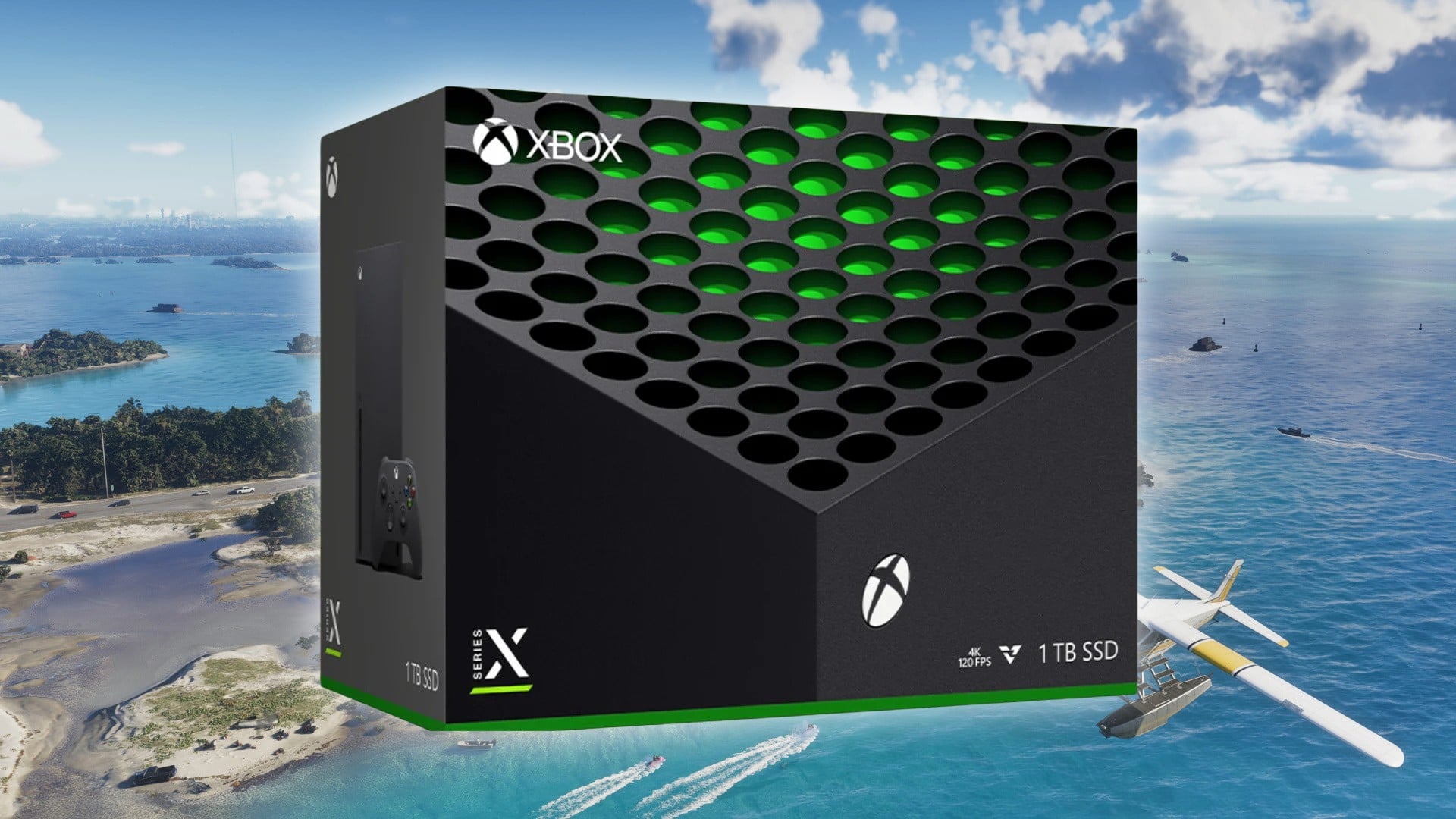
A title drop that moved hardware
Last week, Xbox Series X and Series S sales in the UK leapt 34 percent. PlayStation 5 sales climbed 33 percent. The trigger was not a new console launch or a holiday bundle. It was a 31.1-million-viewer Netflix broadcast — an extended look at Grand Theft Auto 6.
Nielsen IQ confirmed the numbers, relayed by The Game Business. What made them notable was not the direction of the move but the conditions attached to it. Microsoft had recently raised Xbox prices across the board because of an ongoing component crisis. Buyers were facing steeper bills for the same hardware. And still, they queued up.
This is a clean signal. A single piece of marketing content, distributed outside the traditional gaming ecosystem, can shift console demand in a major territory within days. That matters for anyone tracking the shape of the current generation — and especially for Xbox, which is navigating a price increase at the worst possible moment.
The Netflix variable
The most underreported detail in this story is where the spotlight came from. Netflix is not a gaming company, at least not yet, but it is one of the world’s largest entertainment distributors. A show about a forthcoming game, watched by over 31 million people, does something that years of game journalism coverage and social media campaigns do not always manage: it converts casual interest into purchase intent.
For years, gaming marketing lived on YouTube, Twitch, and convention stages. Now a stream on a video platform can drive console sellouts. That reordering of influence is invisible in most outlet coverage, but it is real. It means the company behind GTA 6 — Rockstar Games, owned by Take-Two Interactive — now has a marketing megaphone reaching through a platform that most of its audience already pays for.
It also means that hardware demand is increasingly decoupled from traditional gaming media cycles. When a Netflix drop can move Xbox sales in the UK, the old playbook of E3-keynote timing and magazine cover dates looks slower and less decisive than it did a generation ago.
Who wins, who loses
The winners here are easy to name. Rockstar and Take-Two win because every additional console in the field is a potential GTA 6 install base. The game is launching on Xbox Series X|S and PlayStation 5, with no PC version coming in 2026. That console exclusivity window is now the most valuable real estate in the industry, and it just attracted billions of dollars’ worth of new eyeballs overnight.
Microsoft wins too, even with the higher price tag. A 34 percent sales jump during a component crisis is the opposite of a bad week. It also keeps Xbox in the conversation for the hardware head-to-head with PlayStation, even if the percentage points are nearly identical.
Retailers, however, are losing. The Game Business reported that the PS5 Pro is sold out at Sony’s own website and at almost every third-party retailer in the UK. Stock shortages are compounding the frustration of price hikes. Consumers are being asked to pay more for something they cannot buy in the quantities they want. That dynamic rarely ends cleanly.
Sony faces the same paradox. Its consoles sold strongly last week, but the sellout story is self-defeating. When you cannot ship enough hardware to meet surging demand, you hand the narrative to competitors and to scalpers. The PS5 Pro shortage is a supply-chain problem; the Xbox price increase is a business decision. Both will be judged by how long they persist into November.
The component crisis is the real antagonist
Beneath the GTA 6 spectacle is a quieter force shaping everything: the ongoing component crisis that forced Microsoft’s recent price increases. Chip availability, manufacturing costs, and logistics constraints have made next-gen consoles more expensive to produce and harder to build at scale.
This crisis matters because it raises the stakes for every sales spike. When demand surges on a supply-constrained platform, the result is not just higher revenue — it is prolonged stockouts, inflated secondary-market prices, and consumer resentment. A 34 percent jump in a market already facing shortages turns a bad month into a rough quarter.
The component crisis also explains why the news reads differently than a normal sales rebound. In a healthy market, a double-digit sales lift is momentum. In a constrained one, it is a warning sign. Every unit Xbox sells this week is a unit it may not be able to replace at similar margins later.
What happens next
GTA 6 launches in November. The Netflix preview was a preview of anticipation, not the product itself. The question is whether the sales spike can sustain once the initial wave of hype settles and the real purchasing decisions arrive.
Two outcomes are plausible. In the optimistic scenario, the Netflix-driven surge translates into a strong November for both Xbox and PlayStation, as buyers who secured consoles earlier in the week finalize their purchases and early stock replenishment meets pent-up demand. In the darker scenario, component constraints keep supply tight while demand remains inflated by GTA 6’s cultural weight — and retailers across the UK and beyond continue to run dry on popular SKUs.
There is also a longer-term question about what this moment means for console competition. Xbox winning a sales spike in the UK while simultaneously raising prices is an unusual combination. If the trend holds, it suggests that franchise gravity can override pricing resistance — at least temporarily. That is not a permanent strategy, but it is a powerful data point for a company that needs every advantage it can get against a PlayStation line that just moved 33 percent in the same territory.
The most important number in this story is not 34 percent or 31.1 million. It is the gap between a game still months away from release and a hardware market already rearranging itself around an event that has not happened yet. That gap is where the next year of gaming business will be decided.