Iran's Hormuz Play Is About More Than a Restricted Zone
Iran's plan to declare a maritime restricted zone around the Hormuz Strait marks a sharp escalation beyond the tit-for-tat strikes of recent months. The move threatens a chokepoint handling a fifth of global oil and is already rippling through Asian energy and food prices.
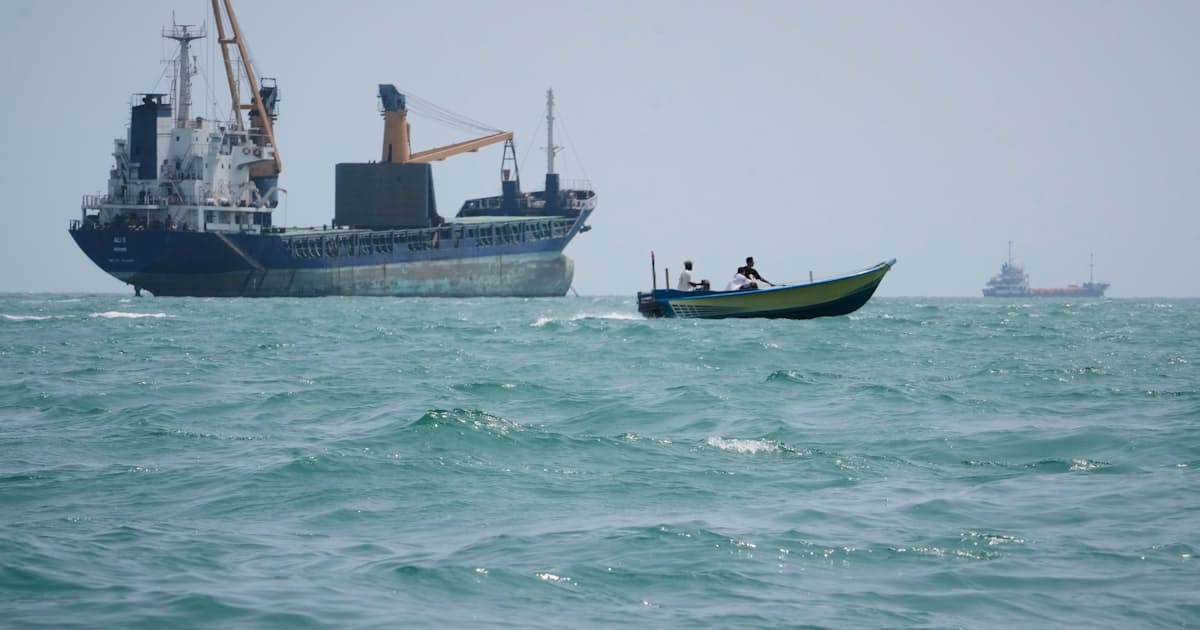
The restricted zone is a signal, not just a boundary
Iran has long claimed sovereignty over the Hormuz Strait, but a formal “restricted zone” declaration would be something new. On September 6, Rezaei, secretary of the country’s Supreme Security Council, said the zone would cover parts of the Gulf of Oman and the Persian Gulf where the US has already imposed a naval blockade. Ships that enter would be placed on a sanctions list. Iran’s Central Command warned the same day that if the blockade persists, attacks on US warships would intensify.
The declaration has not yet been published, but the timing is telling. It follows weeks of reciprocal strikes that began in late August — Iran’s IRGC fired ballistic missiles at US vessels, the US responded by attacking an Iranian oil tanker on September 5, and Iran claimed retaliatory strikes on US-linked ships. The restricted zone gives Tehran a legal-sounding framework to escalate further without firing the first shot.
Western coverage has focused on the exchanges of fire. The sharper read is what comes next.
Who loses first: shippers, then everyone else
The Hormuz Strait carries roughly 21 million barrels of oil per day — about a fifth of global seaborne crude. Any de facto restriction, even an asymmetric one limited to Iranian waters, forces tankers into longer routes or insurance recalibrations that raise freight costs across the board. That is already happening.
The Nikkei piece notes that the Dubai crude spot price for November delivery climbed back above $100 a barrel earlier this week, reversing the relief rally that followed the ceasefire in April. Naphtha, the feedstock for petrochemicals and a leading indicator of Asian refinery margins, has surged to $850–860 per ton, up sharply from the June low near $600. Those are not speculative moves. They reflect real risk premiums being priced into cargoes that transite the strait.
And the damage is not confined to energy. A survey by Teikoku Databank covering 195 major food manufacturers found 4,923 price increases scheduled for September — the highest count this year and the fourth largest on record. Ink and packaging materials are among the cost drivers, but shipping-related input inflation is contributing as well. Hormuz may feel distant to a supermarket shopper in Seoul or Osaka. It is not.
What English-language desks are missing
Most Western reporting frames the Hormuz tension as a military escalation between Washington and Tehran. That is incomplete. The restricted zone announcement also signals a strategic pivot: Iran is moving from reactive strikes to controlling the commons. A sanctions list for ships is a blunt instrument, but it accomplishes two things simultaneously. It creates a chilling effect on commercial traffic without requiring Iranian naval assets to physically interdict every vessel. And it gives Tehran leverage for future negotiations — every ship on the list becomes a bargaining chip.
The US response has been equally rigid. A naval blockade plus secondary sanctions is meant to squeeze Iran’s oil revenues, but it also raises the probability that a misread radar contact or an accidental close encounter triggers a broader exchange. The IRGC has already demonstrated willingness to use ballistic missiles against warships. A restricted zone makes that calculus harder for US commanders to manage in real time.
The Asian angle
Asia is the primary victim of any Hormuz disruption, and Asian markets are already pricing it in. Japan’s food inflation data is a lagging indicator — the shock hits refineries and ports first, then shelves months later. South Korea and Taiwan, whose economies depend on energy imports transiting the strait, have less margin for error. China, despite its hedging between Washington and Tehran, would face acute supply shocks given that the majority of its crude imports pass through Hormuz.
The Dubai crude benchmark matters because it is the reference price for Asian physical transactions, not Brent. When Dubai crude moves, Asian refiners feel it immediately. Naphtha is the canary: petrochemical margins in Japan, South Korea, and China compress within weeks, and then those costs flow into plastics, textiles, and ultimately consumer goods.
Who wins, who loses
Iran wins if the restricted zone forces commercial reconsideration of transit routes without triggering a full-scale US military response. It wins if the sanctions list creates enough uncertainty to slow shipments and push prices higher, tightening the economic pressure on Gulf Cooperation Council partners who depend on the same strait.
The US wins only if the zone remains declarative — a show of force that deters rather than disrupts. If Iranian coastal batteries or fast-attack craft begin enforcing it, the cost of insurance alone could remove tens of millions of barrels from daily flow.
Shippers lose in every scenario. Insurers lose until they raise premiums enough to price out all but the most essential cargoes. Refiners in Asia lose last, because by then the spot market has already moved.
What happens next
Three possibilities deserve attention in the coming weeks.
First, Iran publishes the restricted zone and defines its exact coordinates. The ambiguity of Rezaei’s announcement is deliberate. A precise map would signal intent — or bluff. Expect the zone to encompass the Iranian littoral from approximately 49°E to 56°E, potentially overlapping with existing Iranian territorial claims and the US blockade perimeter.
Second, maritime insurers will reassess war-risk premiums for the Strait of Hormuz corridor. The Institute War and Strikes Clauses already allow for daily premium adjustments in active conflict zones. A formal restricted zone triggers automatic review.
Third, China and India — Iran’s two largest crude buyers — will test whether the zone is enforceable. If their tankers transit without incident, the restriction is rhetorical. If they are delayed or questioned, the market will price a Hormuz disruption within days.
The restricted zone announcement itself is not the crisis. It is the framing device that turns a series of sharp skirmishes into a sustained strategy of chokepoint control. The price of a barrel of Dubai crude and the number of Japanese grocery items with fresh price tags are already telling you who pays.