Iran-Oman Hormuz Deal Is a Breather, Not a Breakthrough
Iran and Oman agreed to a temporary shipping lane in the Hormuz Strait, but Tehran insists the blockade remains until its demands are met. The deal buys time — not stability.
A Temporary Lane in a Choked Strait
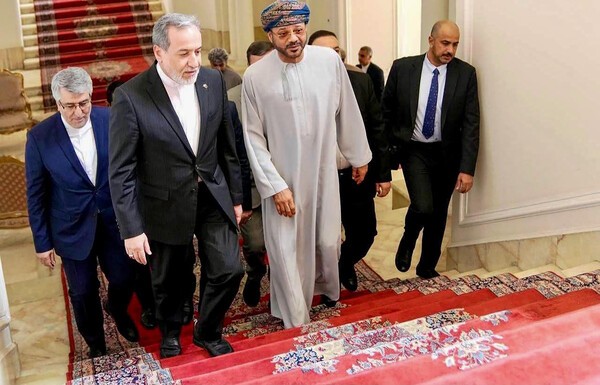
Iran and Oman have agreed to a provisional shipping corridor through the Hormuz Strait — a narrow waterway that carries roughly one-fifth of the world’s oil and liquefied natural gas exports. The deal, announced after talks in Tehran on March 25 between Iranian Foreign Minister Abbas Araghchi and his Omani counterpart Bader Albusaidi, envisions a two-way lane approximately seven nautical miles wide, with inbound vessels using Iranian waters and outbound traffic routed through Omani territory. It is described as a sort of maritime highway, temporary and conditional.
But Iran was quick to draw a line between this interim arrangement and a full reopening of the strait. Qasem Gharibabadi, Iran’s deputy foreign minister, made it clear that the blockade would continue until Tehran’s demands are met: the complete lifting of what it calls illegal economic sanctions, an end to attacks on all fronts including Lebanon, and a clear explanation regarding the blockade of Yemen.
The distinction matters more than it might appear. Iran is signaling that it still views the strait as a lever — one it is temporarily setting down, not discarding.
Who Gains, Who Loses, Who Waits
For global energy markets, the temporary lane is a modest relief valve. The Hormuz chokepoint has been a source of volatility since February, when the US and Israel conducted strikes on Iranian targets and Tehran responded by effectively blockading the strait and the US imposed a naval blockade on Iranian ports. Shipping insurance premiums spiked, reroutes added days to delivery timelines, and the specter of a sustained disruption sent ripples through crude and LNG prices worldwide.
The interim corridor changes that calculus only slightly. Oil and gas flows can resume along a narrow path, but the arrangement is fragile by design. It is supposed to last only 30 to 60 days of further technical negotiations before a permanent route is discussed — if those talks produce anything at all. Meanwhile, Iran’s stated position is that the blockade remains in force pending political concessions the current US administration is unlikely to make on schedule.
The United States, for its part, appears to be pivoting toward economic pressure rather than military action. According to Axios, Secretary of State Marco Rubio has informed several allies that the US will not launch attacks on Iran in the near term. Instead, Washington is doubling down on sanctions and focusing on maximizing the volume of oil that can pass through Hormuz.
That is a pragmatic shift, but it is not the same as de-escalation. Rubio’s posture — avoid kinetic strikes while tightening the economic noose — leaves Iran’s primary bargaining chip intact: the ability to close or disrupt the strait at will. Donald Trump compounded the ambiguity on the same day as the Iran-Oman announcement, claiming on social media that all mines had been cleared from Hormuz and threatening to destroy any vessel caught laying new ones. The statement was assertive but unsourced, and it came despite the fact that the mine-clearing operation itself was a product of the same uneasy negotiation producing the temporary lane.
A US official told reporters that the US Navy’s mine-clearing mission in Hormuz could prove a turning point in the conflict, effectively neutralizing one of Iran’s key leverage points. That assessment may prove correct over time. But until the permanent arrangements are formalized and enforced — and until Iran’s demands are either met or clearly abandoned — the leverage remains ambiguously distributed.
The Intermediaries and the Silence
Pakistan’s military establishment has taken on a quiet mediating role. Army Chief General Asim Munir visited Tehran on March 24 for talks with Iranian leadership, reportedly after a phone call with Trump in which he conveyed a new proposal. On March 26, Trump’s special envoy Steve Witkoff and son-in-law Jared Kushner were scheduled to visit the US Central Command for a briefing on the situation on the ground.
The White House, however, maintained that no negotiations were underway between Washington and Tehran. That is a standard diplomatic posture — deny dialogue while conducting it through intermediaries — but it underscores how far apart the two sides remain. There is no formal track, no public framework, and no timeline for a broader settlement.
What Comes Next
The Hormuz arrangement is a pause, not a resolution. It allows some shipping to resume, buys a window for technical talks, and avoids the worst-case scenario of a fully closed strait — at least for the moment. But Iran has made clear that the corridor is provisional and revocable. The United States has signaled it will not strike but will continue sanctioning. The mine-clearing operations may erode one of Iran’s most visible tools, but they do not remove the strategic calculus behind using Hormuz as leverage.
Energy traders and policymakers should treat this as a temporary reprieve. The 30-to-60-day negotiation window is the real test. If it yields a permanent channel with verifiable mine clearance and guaranteed access, the implications for global supply are meaningful. If it stalls — as the current posturing suggests it might — the temporary lane could vanish as quickly as it was conceived, and with it, a narrow margin of stability in one of the world’s most critical energy corridors.
The players know this. Iran knows it. The question is whether anyone on either side is ready to move past the leverage and toward a settlement that does not depend on keeping a strait half-open.