Korean Exporters Are Drowning the Won — And That Changes Everything
Korean companies are dumping dollars at a record pace, pushing the won past 1,300 for the first time in nearly a year. But the structural reasons behind this strength could reverse just as quickly.
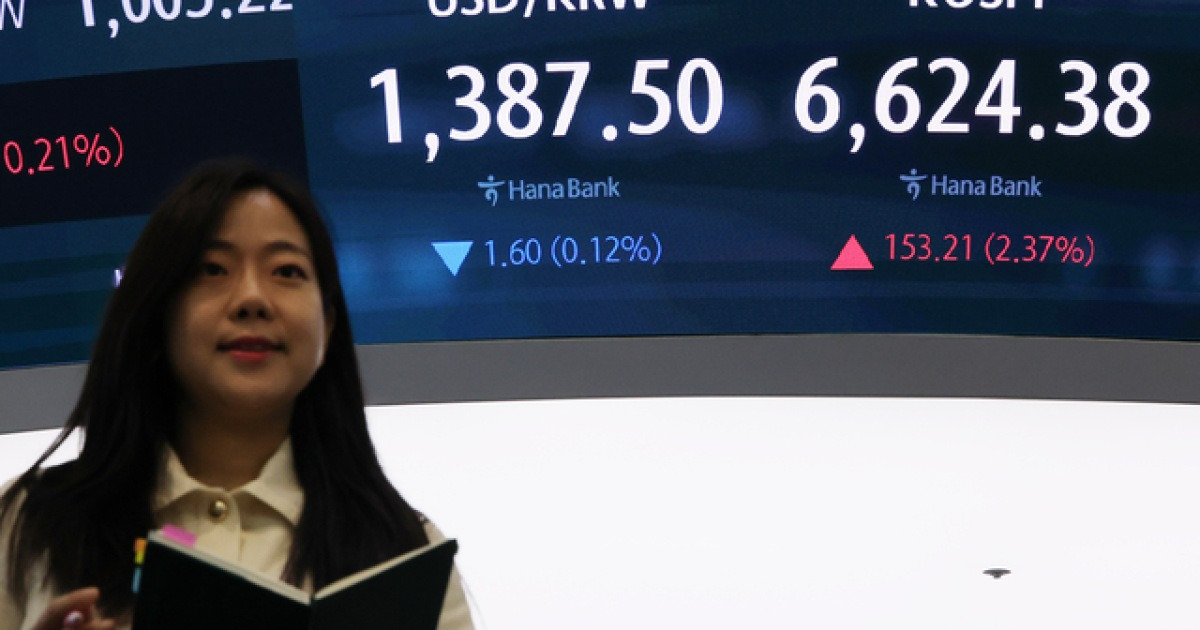
The Won Just Did Something It Hasn’t Done in Nearly a Year
The won-dollar rate slipped below 1,400 on August 19 for the first time since September 2025, and within days it was already probing the 1,300s. A currency that spent much of last year languishing above 1,500 has reversed course in weeks, driven by a force few outside Korea were watching closely: corporate dollar selling at an unprecedented scale.
This is not typical FX movement. It is the result of a structural shift in how Korean companies manage their foreign exchange exposure — and it has ripple effects that extend well beyond Seoul.
Who Is Selling, and Why Now
The turning point came in July, when SK Hynix settled its American Depositary Receipts and converted a large portion of its dollar proceeds into won. That single transaction, as Korea Investment Securities analyst Moon Da-um noted, marked the beginning of a concentrated wave of dollar selling by major exporters.
What followed was a self-reinforcing cycle. As the won strengthened, more companies felt pressure to lock in favorable rates. Hedging ratios rose. More hedging meant more dollar selling. That pushed the won higher still. The compound effect turned a gradual trend into a sharp break.
Seasonal factors are amplifying the pressure. Korean corporations face a mid-year corporate tax payment deadline around late August, which creates urgent demand for won liquidity. Year-end bonus payouts follow in December. Both events require companies to convert dollars they have been hoarding since the first half of the year — when the prevailing forecast was that the won would stay weak through mid-2026.
Shinhan Investment analyst Lee Jin-kyung put it plainly: a significant pile of deferred currency exchanges has accumulated during the first half, and the second half is likely to see seasonal conversion demand come in larger than usual.
The Dollar’s Weakness Adds Fuel
Korea is not acting alone. The US Federal Reserve’s probability of a rate hike in September has collapsed, and with it the dollar’s appeal. The dollar index fell below 99. Korea Investment Securities expects it to drift toward 96 or 97 over coming months. Even isolating that dollar weakness, the won-dollar floor could slip toward 1,360.
But the Korean story is distinct because it is supply-driven, not just demand-driven. Exporters are literally flooding the market with dollars. That is unusual for a country that has spent years running current account surpluses only to see its currency weaken — a paradox that previously baffled analysts.
The Structural Trap: Surplus Without Strength
Here is what most English-language coverage misses. Korea’s current account surplus does not automatically translate into won appreciation. The dollars earned from exports are not all being converted and held domestically. A growing share is flowing straight back out through household and institutional overseas investment.
This creates a permanent shadow demand for dollars that masks the true strength of the won. If corporate dollar selling were to slow — and there is no guarantee it will continue — the underlying structural pressure could reassert itself quickly.
Moon Da-um warned that even if the won holds in the 1,300s through year-end, the dynamic could flip next year. Strong low-price buying by corporations and foreign capital inflows may be driving the current strength, but as overseas investment expands, dollar demand will rise again. The question is not whether the won weakens eventually — it is when.
Who Wins, Who Loses
The winners are clear: Korean consumers, importers, and any company with dollar-denominated debt see their costs shrink. The Bank of Korea gains room to breathe — a stronger won reduces imported inflation and gives the central bank more policy flexibility if growth slows.
The losers are also clear: Korean exporters, especially in semiconductors and automotive, are seeing their dollar revenues shrink in won terms. A move from 1,500 to 1,300 represents roughly a 13 percent erosion in competitiveness for firms that cannot easily pass the change through pricing. Samsung Electronics and Hyundai Motor will feel this acutely in their Q3 results.
Smaller exporters with thinner margins face a sharper pinch. Those that hedged aggressively last year during the 1,500 period protected themselves. Those that delayed, betting on continued weakness, are now scrambling.
What Comes Next
The consensus among Korean brokerages is that the won will continue its gradual appreciation through year-end. Korea Investment Securities lowered its H2 average forecast to 1,420 from 1,470, projecting 1,430 for Q3 and 1,410 for Q4, with a year-end range of 1,340 to 1,520.
But consensus forecasts in FX are notoriously fragile when supply shocks like corporate dollar dumping are involved. The key variable to watch is whether the wave of deferred conversions continues or exhausts itself. If corporations finish defending their balances by October, the upward pressure on the won could blunt — and the dollar’s own weakness may not be enough to carry the won much lower on its own.
For the region, the Korean case is instructive. Emerging market currencies that have lagged the dollar’s retreat may find themselves catching up, but the dynamics will differ. Korea’s move is export-supply driven. Other EMs are more likely to move on capital flow reversals or commodity price shifts. The won’s strength is real, but it is also unusual — and unusual things tend to revert.
The 1,300 level is not a floor. It is a moment.