The Mail-Voting Crackdown Just Got Its Green Light — And That’s the Real Threat
The Supreme Court's procedural ruling on Trump's mail-in voting order doesn't touch the merits, but it clears the path for a multi-agency enforcement campaign that could quietly reshape how Americans vote. The real battle shifts from the bench to the bureaucracy.
The Court Didn’t Decide Anything. That’s the Point.
The Supreme Court’s recent ruling on Trump’s mail-in voting restrictions sounds procedural. It is not. The justices said states cannot block federal agencies from even preparing to implement an executive order — because preparation is not injury. In plain terms, the Court told a lower court that it overstepped by trying to enjoin the federal government from thinking about what it might do.
Former White House deputy counsel Gene Hamilton called it exactly what you would expect. He was not being modest. The ruling preserves the administrative playbook while kicking the substantive debate down the road. That is a strategic victory disguised as a technical one.
The damage, or the relief, depending on your side, will come later. It will arrive in the form of new USPS rules, DHS voter-list projects, and DOJ enforcement priorities — all of which can now move forward without a nationwide injunction hanging over them.
What the Order Actually Does
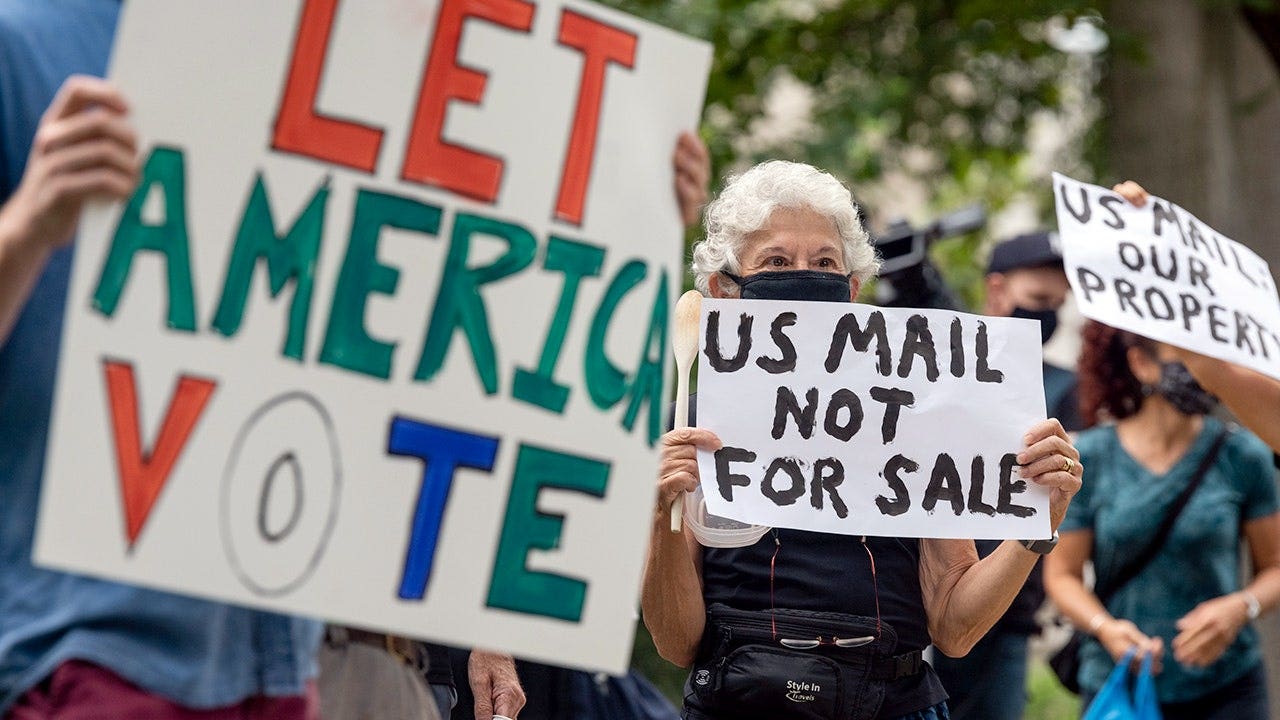
Trump’s executive order directs three agencies to act. The Postal Service is finalizing a rule that requires standardized ballot envelopes and unique tracking barcodes, and it wants states to feed voter data into a federal portal. States that refuse could see their outbound federal ballot mail refused or returned. USPS has said it will not implement the rule for the midterms unless the litigation clears — but a separate League of Women Voters injunction currently blocks that particular rule anyway, so the postal service is not out of the woods.
The Department of Homeland Security is compiling lists of adult U.S. citizens and making them available to states. The Justice Department has been told to prioritize investigations and prosecutions involving ballots issued to ineligible voters. None of these steps have been tested in court on their merits yet.
Hamilton framed this as commonsense security. Critics called it a voter-suppression maneuver. Both sides are waiting to see what concrete action comes next before the real legal fight begins.
The States Are Now on the Back Foot
California Attorney General Rob Bonta led 23 states in the challenge. Pennsylvania Governor Josh Shapiro was listed separately because Pennsylvania’s Republican attorney general, David Sunday, declined to join. Their argument rested on the idea that the order would cause immediate harm. The Supreme Court disagreed.
Bonta said the ruling lets Trump “try to make it harder for Americans to vote.” Shapiro tweeted that the administration would be “in court” again. Arizona Attorney General Kris Mayes was more colorful: “Over my dead body is that rule going to go into effect.”
The rhetoric is familiar. The posture has shifted. The states argued that potential future harm was enough for injunctive relief. The Court said it is not. That changes the calculus for every lawsuit filed in response to whatever comes next.
Hamilton noted that if speculation about future harm were sufficient to block policy, his side would have a field day shutting down regulations across the country. The logical corollary, of course, works in the other direction too: if speculation is not enough to block policy, then states will struggle to stop it either.
The Real Fight Is About Implementation
The White House refused to give specifics on when or how the order would be implemented. Spokeswoman Lauren Bis called the measures “commonsense” and said the administration would continue to enact Trump’s agenda, including election security.
That vagueness is intentional. Every new rule, every enforcement action, every data-sharing agreement will generate a fresh wave of litigation. Lower courts will weigh in. Some will side with the states. Some will side with the administration. The Supreme Court’s ruling sets the standard — standing requires concrete injury, not prediction — but it does not resolve the substance.
Hamilton acknowledged this. “We have to get through the arbitrage of lower court proceedings,” he said. “There’s going to be a lot more fighting to come.”
What that fighting looks like will depend on how aggressively the agencies move. If USPS enforces its tracking and envelope rules, mail ballots could face new rejection risks. If DHS starts distributing citizenship lists, some states may adopt them; others may resist on grounds of federal overreach. If DOJ pursues prosecutions, the political optics will be immediate and electric.
Why This Matters Beyond the Courtroom
Election administration in the United States is a state-run system with federal funding and increasingly federal oversight. The Trump order pushes that tension to a breaking point. States have long controlled voter registration, ballot design, and ballot counting. The new federal requirements — standardized envelopes, federal data portals, citizenship verification lists — represent a significant encroachment.
The legal question is whether Congress authorized this level of federal direction over USPS operations and whether the executive can attach election-related conditions to postal services. The political question is whether voters will notice before it is too late.
Mail voting is now the default for millions of Americans. States are distributing ballots progressively earlier than in past decades. Any disruption to the mailing chain — refused mail, rejected envelopes, tracking gaps — will fall hardest on voters who rely on mail ballots and have the least capacity to litigate their way back into the system.
What Happens Next
The midterms are approaching. USPS has said it will not implement its ballot rule unless litigation resolves. The League of Women Voters injunction is still in place. DHS and DOJ have not announced specific timelines. The states are preparing fresh lawsuits.
The Supreme Court cleared the procedural hurdle. That does not mean the policy survives. It means the policy gets a turn. The next round of rulings will decide whether the concrete actions — the rules, the lists, the prosecutions — violate the law or constitutional boundaries.
For now, the American public is watching a legal game played at arm’s length. That is how institutional change often works. The voters who will feel the impact most acutely are the ones least likely to see it coming.