Panama Canal Cuts Transits as El Niño Drought Squeezes Global Shipping
The Panama Canal is reducing daily vessel transits from 36 to 32 as El Niño-driven drought saps water reserves. Combined with Middle East disruptions, the squeeze on maritime chokepoints is reshaping global trade routes and testing supply chain resilience.
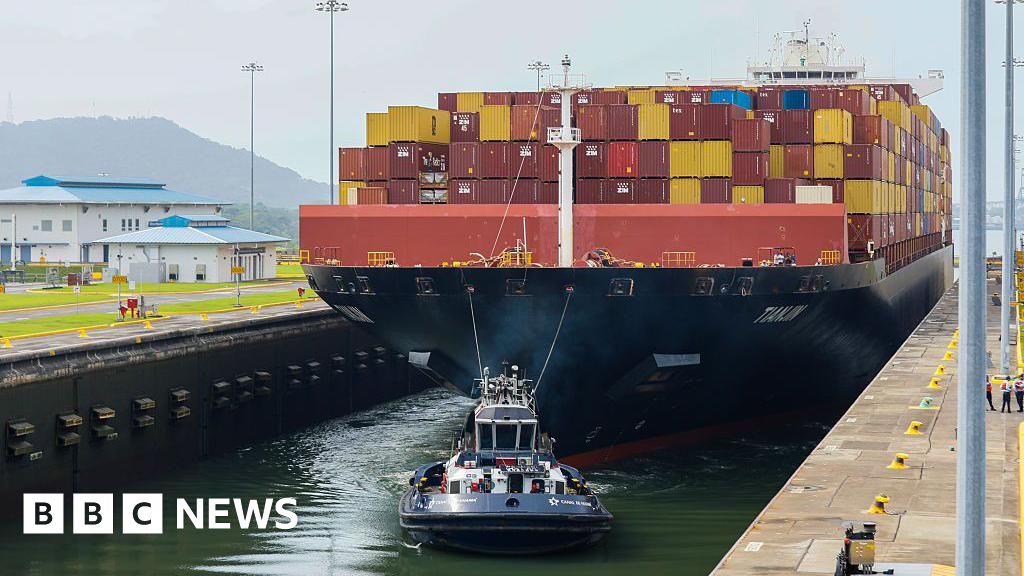
The Canal Is Slicing Transits. The Shock Goes Further.
The Panama Canal Authority told shipping companies on Thursday that starting September 15, daily transits will drop from 36 to 32 vessels. The cutbacks begin being phased in from September 3. It sounds incremental — four ships a day. But over a calendar year, that is roughly 1,460 fewer container ships able to cross the isthmus.
The cause is drought. A strong El Niño this year has suppressed rainfall across Central America, draining the reservoirs that power the canal’s locks. The authority framed the reductions as necessary to protect service reliability and, crucially, to conserve water for human consumption. That second point matters. The same weather systems starving the canal are pushing drought conditions over populated areas of Colombia, Panama, and Costa Rica. The locks do not share water with municipalities — they operate on a closed cycle — but the upstream reservoirs, Gatún and Alajuela, serve both purposes. When rain fails, the choice becomes ships or people. The authority chose people. That decision has consequences for every container ship waiting in line.
Two Chokepoints Under Pressure Simultaneously
The canal disruption does not arrive in a vacuum. The shipping industry is already navigating a sharp contraction at the Strait of Hormuz, where Iranian conflict has pushed tankers and cargo ships toward longer alternatives or away from the Persian Gulf entirely. Two of the world’s most critical maritime bottlenecks are contracting at the same time, and the overlap is not incidental. It is additive.
The canal handles about 6 percent of global maritime trade. The Strait of Hormuz handles roughly 20 percent of global oil transit. When one chokes, shipping reroutes. When both choke, the rerouting options multiply — and so do costs.
Ships that normally transit the canal between Asian ports and the US East Coast now face a choice. They can wait for a canal slot, queue for weeks, or take the long way around South America’s Cape Horn or Africa’s Cape of Good Hope. The Cape route adds roughly 3,000 nautical miles and about five to seven days to an Atlantic-Pacific crossing. Those days translate directly into fuel burn, charter rates, and delivery schedules that unravel. For a shipping line already running tight margins, the arithmetic is punishing.
Who Loses First
Energy shipments are the most exposed layer. The US Gulf Coast exports liquefied natural gas and crude to European and Asian buyers — many of those vessels transit the canal. If canal slots tighten, LNG cargoes heading to Europe or Asia get bumped or delayed. Buyers who signed contracts with delivery windows tied to canal transits feel the squeeze immediately. Spot freight rates for those routes climb. Insurance premiums for alternative passages rise. The downstream effect lands on household energy bills and industrial input costs, not in some distant abstract sense but in invoices that arrive next quarter.
Consumer goods follow a similar path. Asia-bound containers bound for the US East and Gulf coasts make up a large share of canal traffic. Retailers building inventory for holiday seasons and manufacturers relying on just-in-time parts deliveries are the ones who feel the delay first. The canal does not just save time — it compresses supply chains. Removing that compression means longer pipelines, more working capital tied up in transit, and more exposure to disruption.
The Inflation Link You Should Not Miss
Supply chain disruptions that persist for months do not stay contained in logistics departments. They move into price data. The canal cuts do not create inflation by themselves — but they add to it. Freight rates are already elevated from the Red Sea and Hormuz reroutes. Adding Panama scarcity on top of existing strain creates a compound cost event. Shipping lines pass fuel surcharges through. Charter rates climb. Container prices follow. That cost path ends at shelves.
The timing makes this harder to absorb. The cuts begin in early September, overlapping with peak pre-holiday shipping. Inventory build for Q4 travel through the exact window when canal capacity is at its lowest. Any additional disruption — a storm, a lock malfunction, further rainfall shortfalls — pushes the system toward harder choices. Shipping lines will allocate scarce slots. Larger vessels get priority. Smaller operators get queued.
Climate As Infrastructure Risk
The authority’s statement noted that this year’s El Niño is expected to be particularly strong, with climate change intensifying its effects. That framing reflects a growing consensus: extreme weather events that once appeared decadal are arriving on shorter cycles. The canal depends on rainfall patterns that are becoming less predictable. The reservoir levels that determine how many ships pass through each day are tied to monsoon systems that are shifting.
This is not a one-season problem. The canal’s operator has signaled that water conservation is a long-term operational concern, not a temporary adjustment. That means shipping lines need to plan for a future where canal capacity fluctuates more widely and potentially trends lower. Routes that once depended on the canal as a reliable shortcut may need permanent alternatives. Ship designs, port strategies, and trade agreements all rest on assumptions about transit reliability. Those assumptions are now incomplete.
What Happens Next
The immediate next step is the phased implementation starting September 3. Shipping companies will adjust schedules, rebook slots, and route vessels around the isthmus. Spot market rates will reflect the scarcity. Contracts with canal-guaranteed transit windows will become more valuable and more contested.
Over the coming months, the true shape of the disruption will emerge. If rainfall recovers by late 2025, the canal could reopen slots and ease pressure. If the drought persists — and climate models suggest that is plausible — the rerouting becomes structural. Ports along the Cape routes will see increased traffic. US Gulf and East Coast terminals will compete for limited canal capacity. Asian exporters facing delayed arrivals will renegotiate delivery terms. The entire logistics map redraws itself in response to water levels.
The canal was built as a shortcut. Climate change is turning it into a variable. That shift matters far beyond shipping schedules. It matters for the price of the goods moving through those ships, for the energy flowing across those waters, and for the resilience of supply chains that assumed the shortcut was guaranteed. The Panama Canal is not just a waterway anymore. It is a barometer.