Samsung Heavy's Profit-Pay Pivot Could Reshape Korean Labor Forever
Samsung Heavy Industries became the first Korean shipyard to link performance pay to operating profit, offering a 10% profit share to workers. The move sends shockwaves through Korea's three major shipbuilders and could redefine blue-collar compensation across export-driven industries.
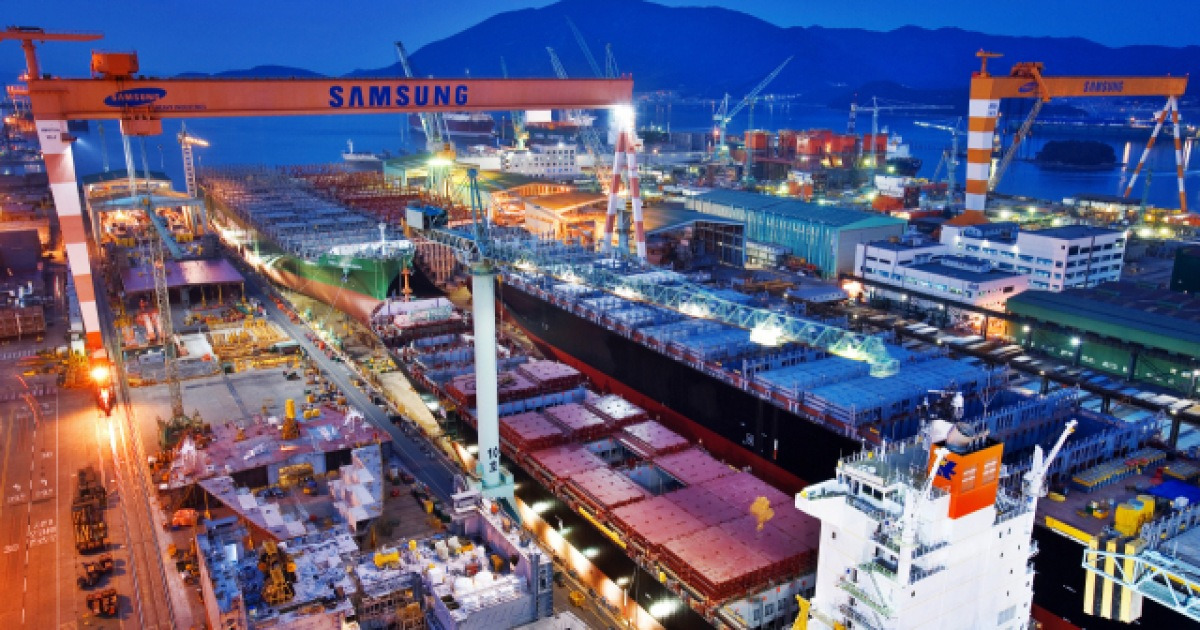
The deal that cracks everything open
Samsung Heavy Industries just did something no Korean shipyard has done before. It tied worker performance pay directly to operating profit, offering 10% of those profits as a bonus pool. The tentative agreement passed a union vote Thursday with 58.78% support — close, but enough.
On paper, the numbers look generous. Base wages rise 5.2%. Workers receive a 7 million won ($5,100) sign-on-style package split across three categories: wage settlement, labor-management harmony, and future competitiveness. The performance pay system itself shifts from economic value-added metrics to a straight operating-profit share. That’s a conceptual pivot most workers wouldn’t understand, but the implication is clear: when the company profits, you profit too.
The real story isn’t what Samsung Heavy agreed to. It’s what it just made possible for everyone else to demand.
Why this matters beyond the dockyards
Korea’s big three shipbuilders — Samsung Heavy, HD Hyundai Heavy Industries, and Hanwha Ocean — operate in a market where margins are thin and Chinese competition is brutal. Each vessel negotiation involves dozens of specialized suppliers, and a single production delay cascades across the entire ecosystem. Hanwha Ocean alone has over 1,000 related companies in Gyeongsangnam-do province, employing more than 100,000 workers.
Samsung Heavy’s deal came first. HD Hyundai’s union has already escalated, demanding a 30% profit share — triple what Samsung agreed to. They’re currently conducting partial strikes that have interrupted production since last week. Hanwha Ocean’s union matched that aggression, halting operations at its Goliath crane, the critical piece of equipment that loads and unloads massive vessel sections.
The dynamic is unmistakable: Samsung Heavy set a floor, and every other union in the industry is now negotiating toward a ceiling that doesn’t exist yet.
This mirrors a broader pattern. Last year, SK Hynix triggered a wave of performance-pay reforms across semiconductors, which then spread to Samsung Electronics and Samsung SDI. The compensation philosophy — link worker rewards to measurable corporate performance rather than seniority or fixed bonuses — has been migrating through Korea’s largest conglomerates like a virus. Shipbuilding is just the latest sector to catch it.
What global readers miss about Korean labor politics
Western analysts tend to treat Korean union movements as monolithic: either combative or dormant, with little nuance in between. Samsung Heavy’s vote tells a more complicated story. 58.78% support is not a landslide. Almost 40% of participating workers voted against the deal. That dissent likely comes from workers who feel 10% of profits is too little, too conditional, or from those skeptical that profit-sharing actually protects jobs in a cycle where order books dictate survival.
The timing adds another layer. The deal was finalized just before Chuseok, Korea’s harvest holiday — a moment when production pauses anyway and public conflict looks especially damaging. Samsung Heavy’s management clearly understood the political calculus. Finishing first lets them frame the narrative; finishing last means playing defense forever.
There’s also the geopolitical dimension that most coverage ignores. Washington and Seoul are deepening defense and industrial cooperation right now, with shipbuilding standing at the intersection. Stable production and on-time delivery have become strategic assets, not just business metrics. If HD Hyundai’s strikes drag into Q4, they don’t just hurt a company — they undermine a bilateral priority. One industry insider noted that production reliability and delivery consistency have become among the most important factors in Korea-US economic negotiations.
Who wins, who loses, what happens next
Workers at Samsung Heavy win a compensation model that actually moves with the cycle. In good years, they share upside. In bad years, the company retains flexibility — exactly the trade-off that makes profit-sharing attractive to management. The real question is whether this model survives a downturn. If shipbuilding orders collapse the way they did in 2020, the 10% promise evaporates, and trust erodes faster than it took to build.
HD Hyundai’s union loses if they can’t match Samsung’s settlement without triggering prolonged strikes. Their 30% demand sounds bold until you remember that HD Hyundai is the industry’s largest employer and most expensive producer. Every day of stopped production bleeds credibility with customers and partners alike. But walking away empty-handed looks worse to their membership.
Chinese shipbuilders win regardless. While Korean yards argue over profit splits, China’s fleet keeps building. CSSC and its subsidiaries don’t face the same labor-cost pressure, and their state-backed financing structures give them margins Korean private yards can’t match. The real threat to Korea’s shipbuilding dominance isn’t HD Hyundai’s union — it’s the 3,000-ship order book China is filling right now.
The deal’s ripple effects will extend well beyond shipbuilding. Samsung Heavy’s profit-sharing framework gives every Korean union a reference point they didn’t have six months ago. WhenLG Energy Solution negotiates next quarter, or when POSCO’s steelworkers sit down, the question won’t be whether profit-sharing is acceptable — it’s how much of their own profits they can claim.
That’s a conversation Korea’s largest employers weren’t ready to have. Samsung Heavy just forced it.
The uncomfortable arithmetic
Ten percent of operating profit sounds like a lot until you remember that Korean shipbuilding operates on 5-8% operating margins during normal cycles. That 10% share cuts into an already thin buffer. If Samsung Heavy’s management believes this model is sustainable, they’re betting hard that the industry’s current order-book boom lasts long enough to make the math work.
The bet carries risk. If vessel orders slow — and they always do — the profit pool shrinks, and workers who counted on those bonuses feel the gap. Conversely, if HD Hyundai concedes something closer to Samsung’s terms, the entire industry’s labor-cost structure shifts upward by a meaningful percentage. That’s not inflationary in isolation, but layered on top of Korea’s already-tight wage environment, it compounds quickly.
What’s striking is how quickly this went from theoretical to operational. SK Hynix’s semiconductor reforms happened in fits and starts over two years. Samsung Heavy’s deal materialized after fewer than 20 negotiations across three months. The pace suggests that once the first major company breaks the seniority-based compensation model, the resistance from others collapses faster than management expects.
A new baseline for Korean labor
Samsung Heavy’s vote wasn’t a labor victory in the traditional sense. Workers gave up some demands, accepted conditional pay, and agreed to continue working while the industry remains under Chinese cost pressure. But by accepting a profit-sharing framework, they’ve planted a flag: compensation should reflect shared risk and shared reward, not just tenure.
That’s a philosophically different relationship between labor and management than Korea’s postwar model. It’s also the model that Chinese state-owned yards already operate under — just without the democratic pretense of union votes. If Korean shipyards want to compete, they may need this kind of flexibility more than ever. The question is whether workers will see it as partnership or concession, and whether the answer changes when the next downturn hits.