SK Hynix's Plan for a U.S. NAND Plant Could Reshape Global Memory Markets
Solidigm is weighing a NAND flash fab in New York, a move that would mark the first U.S. production base for SK Hynix's American subsidiary. The prospect comes as China accelerates its own memory ambitions and Washington tightens semiconductor export controls.
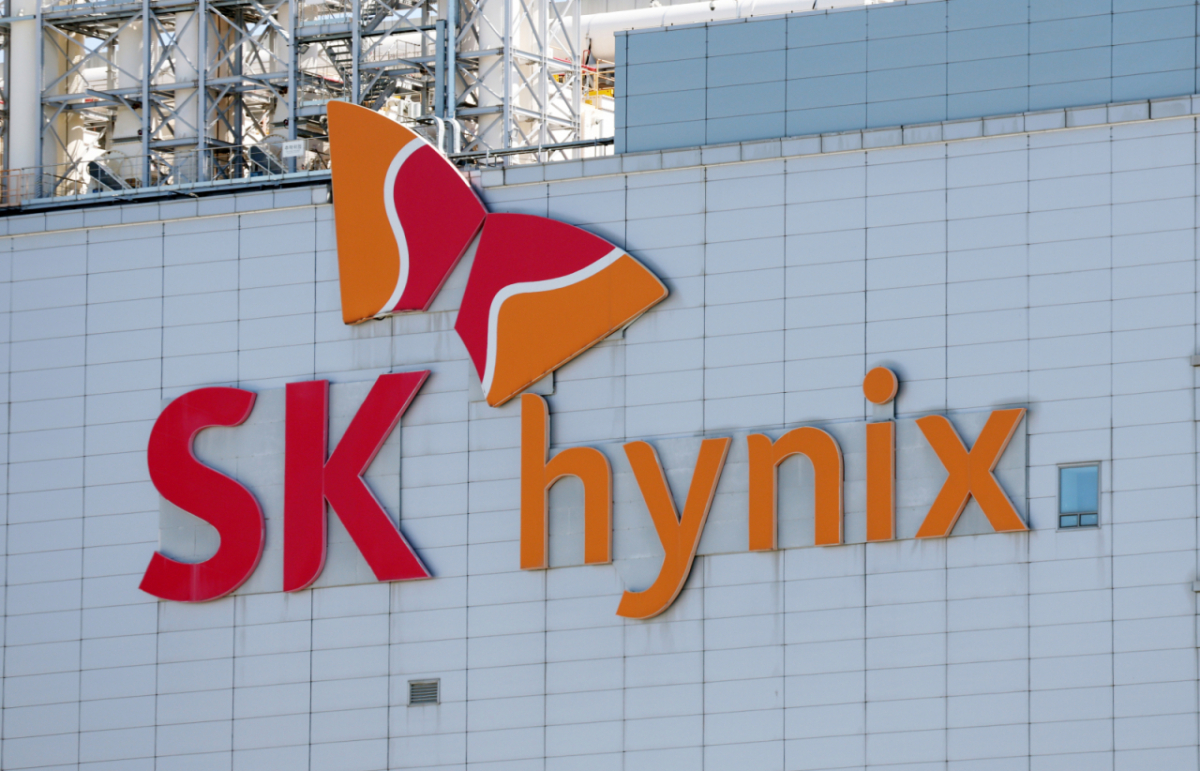
A NAND fab in upstate New York? That’s the real story.
A report this week that Solidigm, the American subsidiary of SK Hynix, is considering building a NAND flash manufacturing plant in upstate New York landed with more than the usual whisper-quiet uncertainty that surrounds pre-announcement fab projects. What makes it worth watching goes beyond geography.
The possibility signals how far the semiconductor realignment has come — and where it still hesitates.
Solidigm was created in 2021 when SK Hynix acquired Intel’s NAND and SSD business. For all that history, the company currently operates in the United States only as a headquarters and research and development presence. Its sole production facility sits in Dalian, China, where NAND wafers are manufactured and shipped out.
If Solidigm builds a fab in New York, it breaks that pattern entirely. It would also cut away the dependency on Dalian — a vulnerability that has grown starker as U.S. export controls tighten and tariffs reshape trade flows. SK Hynix did not confirm the report, telling Reuters that “no concrete plan has been determined” as of now. That non-denial has become its own kind of signal in semiconductor land.
Why upstate New York matters more than it sounds
New York State has been actively courting semiconductor investment. Governor Kathy Hochul has made chip manufacturing a policy priority, offering incentives and land through the Empire State Development Corporation. Northern New York, in particular, has attracted attention for its lower energy costs, available industrial land, and proximity to water resources needed for fab operations.
For SK Hynix, locating a NAND facility there would carry strategic upside beyond real estate. The U.S. government has made clear it wants advanced semiconductor production on American soil. A New York fab could qualify for CHIPS Act support — or at least operate under the protective umbrella of that policy framework, something increasingly valuable as Washington constrains China’s access to cutting-edge chip technology.
But New York also faces its own challenges. The state’s construction costs run high, labor pipelines for semiconductor workers are thin, and navigating environmental reviews in upstate communities can add years to a project timeline. These are not deal-breakers, but they are reasons the timeline remains uncertain.
The China factor is accelerating everything
You cannot read this report without looking eastward. ChangXin Memory Technologies (CXMT), one of China’s state-backed memory manufacturers, is rapidly expanding capacity. According to Reuters, CXMT is building new R&D and production lines for NAND flash at a facility near Beijing, narrowing the gap with Korean and American competitors.
CXMT’s advance changes the calculus for every foreign player operating in China. A NAND fab in New York is not just about serving the American market — it is about ensuring SK Hynix does not find itself cut off from production capacity by geopolitical pressure or export restrictions. The Dalian plant already exists under that risk. A U.S. alternative reduces it.
Samsung Electronics and Micron Semiconductor also operate NAND fabs overseas, though their primary manufacturing footprints lie in different countries. Samsung’s largest NAND facility is in Pyeongtaek, South Korea, with additional operations in China. Micron’s fabs are concentrated in the United States, including a major site in Boise, Idaho. Solidigm’s potential New York plant would slot into this map in a way that tilts the balance toward American production.
The Intel angle adds another layer
The Solidigm report arrives alongside separate news that SK Hynix is exploring other U.S. production options — including leasing space at Intel’s Ohio fab complex and potentially forming a joint venture with Intel and large cloud computing customers seeking stable memory supply. Those discussions are distinct from the New York NAND consideration, but they share a common logic: SK Hynix wants domestic U.S. manufacturing capacity regardless of which model delivers it fastest.
Intel’s Ohio site, built with substantial CHIPS Act funding, has faced its own delays and cost overruns. A lease arrangement with SK Hynix could help Intel recoup some of that investment while giving SK Hynix quicker access to U.S. fabrication infrastructure than building from scratch would allow. The New York option, by contrast, would be a greenfield project — slower, more capital-intensive, but potentially more strategically controlled.
Which path Solidigm ultimately chooses will depend on economics, timeline, and probably Washington’s continued political appetite for subsidizing domestic memory production. Neither option has been ruled out.
What this means for the rest of the industry
A Solidigm fab in New York would affect pricing, supply, and competitive dynamics across the global NAND market. Memory chips are cyclical commodities; any new capacity adds to the supply pool at a time when demand is being driven by AI workloads, data centers, and automotive electronics. SK Hynix and Samsung dominate DRAM; Micron and SK Hynix lead NAND alongside Samsung. Adding American NAND supply reduces concentration risk and may ease tensions between customers and suppliers who worry about over-reliance on South Korean or Chinese production.
It would also send a message to CXMT and other Chinese memory makers: the West is not standing still. The U.S. government has invested billions in attracting semiconductor investment. New York would be one more brick in that wall.
Whether Solidigm follows through remains unclear. SK Hynix has stopped short of confirming anything. But the fact that upstate New York is being discussed as a credible site at all marks a shift in the global memory landscape — one that favors reshoring over efficiency, even if the economics never quite align to make it permanent.