Trump's Iran Sanctions Bet Could Be a Defining Miscalculation
Washington's escalating sanctions on Iran risk strengthening hardliners rather than forcing concessions. Tehran's leaders are prepared and watching two clocks—one political, one economic—to see who blinks first.
The Same Old Talk, Only More Dangerous
When Treasury Secretary Scott Bessent described the new US sanctions package as an “economic D-Day” against Iran, the language was designed for headlines. In Tehran, the reaction was distinctly unimpressed. Economy Minister Ali Madanizadeh dismissed it as “the same old talk.”
That dismissal matters more than it might sound. It captures the central puzzle of Washington’s latest gambit: the US has spent years threatening economic measures that eventually lose their shock value. What makes this round different is not the rhetoric but the scope. Bessent has targeted digital assets, technology, gold, aviation and shipping. He has warned that any nation, bank or company still partnering with Iran will face isolation.
But the real question is enforcement. Iran has survived sanctions before. The question now is whether Washington can close the channels that survived previous rounds—particularly those involving China and Iran’s regional neighbours.
Two Clocks, One Calculus
Iranian leaders are watching two clocks simultaneously. The first runs in Washington. The second runs inside Iran’s economy.
The political clock is ticking toward November’s midterms. Disruption in the Strait of Hormuz has already pushed oil prices higher and added to American inflation. Every month of elevated gasoline prices is a liability for the Republican Party. Tehran has every reason to believe that time favours it—if Trump’s strategy falters politically, Iran emerges stronger.
The economic clock is far less forgiving. Iran’s currency, the rial, has been in free fall long before the war escalated with US and Israeli air strikes on February 28. Inflation is rampant. Oil exports are down. Everyday Iranians feel the squeeze.
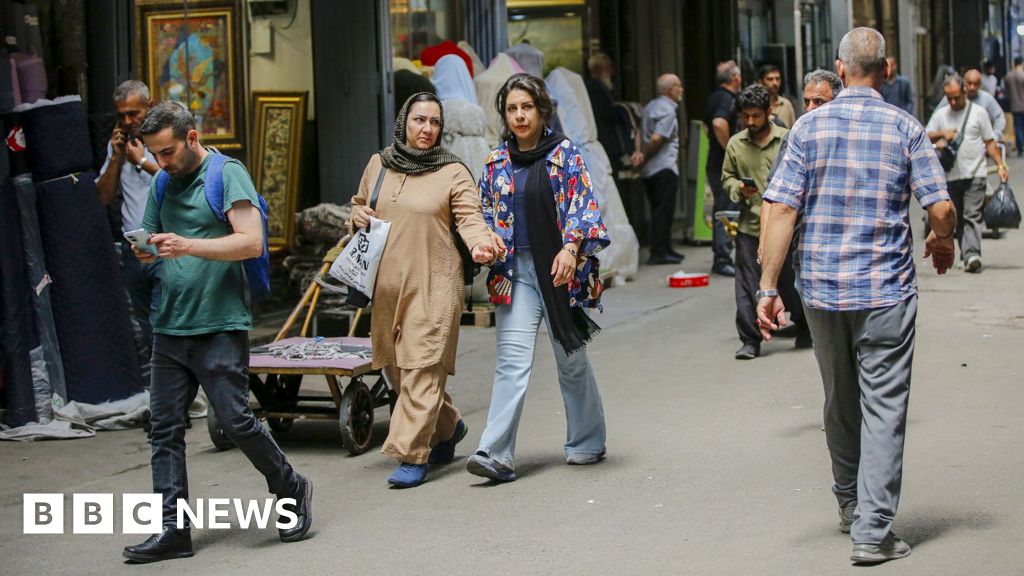
Take Negin, a 34-year-old woman who told the BBC her monthly income has collapsed to roughly $100. She no longer attends cinema, theatre or concerts. She buys meat only with government subsidy vouchers. Take Mona, a housewife whose husband—a former shipworker—has not held a job since the conflict began. “We’ve definitely had to cut back on all of our extra spending and small luxuries,” she said.
These are not statistics. They are the material reality of a population being crushed between war and sanctions. And they create a dangerous paradox for Tehran’s leadership.
The Paradox of Pressure
Making concessions now would look like surrender under pressure. It would embolden hardliners who argue that Washington will never stop demanding more. That is why Iranian officials are calculating that waiting might improve their position—if Trump’s strategy hits political headwinds at home.
But waiting also carries a cost. Every month of lower oil exports, disrupted trade and a weakening rial makes the economy weaker. A weaker economy means less room for manoeuvre later. Tehran could find itself negotiating from a position of genuine desperation rather than calculated patience.
This is the tightrope Iranian leaders are walking right now. And they know it.
China Is the Fault Line
Whether Washington’s campaign succeeds depends largely on what happens outside Iran’s borders. The critical variable is China. Beijing’s foreign ministry called the sanctions “illegal” and said it firmly opposes them. But declarations are not the same as action.
If Chinese banks and companies begin pulling back because they fear secondary sanctions, the equation changes. Iran has long relied on land routes through seven neighbouring countries to bypass maritime blockades. Those routes cannot replace sea trade, especially when it comes to oil exports. Closing the land corridors would be a decisive blow.
If China does not buckle, however, the sanctions campaign could produce the opposite effect. Iranian hardliners will argue that Washington has played another supposedly decisive card without shifting the balance. The message to Tehran’s leadership will be simple: resist, and the Americans will tire first.
Diplomacy’s Empty Chair
The US has left little room for diplomacy. Pakistan and other mediators are still trying to revive talks, but Washington has not ruled out further military strikes. Treasury Secretary Bessent has vowed to “tighten the noose” around Iranian revenue sources.
Those renewed threats cut both ways. They could weaken Iranian officials who favour a deal—but they also strengthen those who argue that negotiation is futile when the US is prepared to escalate militarily. Washington has essentially eliminated its own off-ramp.
The Long Shadow of 2028
There is another clock many observers miss. Trump is not seeking re-election in 2028. An outgoing administration often feels freer to accept costs that a sitting president would avoid. If the confrontation with Iran drags on past the midterms, a Trump administration in its final years could double down with fewer political constraints.
That scenario creates urgency for Iran—but also vulnerability. The longer the pressure holds, the more the Iranian economy deteriorates. The longer it holds, the more difficult any future deal becomes.
Who Wins, Who Loses
The immediate losers are ordinary Iranians like Negin and Mona, whose daily lives grow harder by the month. The regime’s survival does not appear threatened in the short term. Sanctions alone have not toppled governments in Tehran’s experience.
But if Washington can successfully isolate Iran’s financial connections globally—particularly by bringing China and regional partners to heel—the calculus shifts dramatically. Iran would face a siege it cannot easily breach.
Conversely, if the sanctions fail to deliver, the hardliners in Iran win. The anti-American narrative strengthens. Any future deal becomes harder to sell domestically. And Washington is left with fewer options than before.
What Happens Next
Iranian leaders are making a bet. They believe the economic pain will break American political will before it breaks Iranian resilience. Washington is making a reciprocal bet: that the economic squeeze will force Tehran to negotiate from weakness.
Only one of those bets can be right. The question is which clock runs out first—the political clock in Washington or the economic clock in Tehran.