Trump's Shock Diesel Deal With Putin Upends Ukraine Support
Trump bypassed Kyiv to strike a direct diesel supply deal with Moscow — a move that prioritizes domestic fuel prices over alliance solidarity and signals a dangerous shift in US policy toward Russia.
A Fuel Deal That Rewrites the Rules
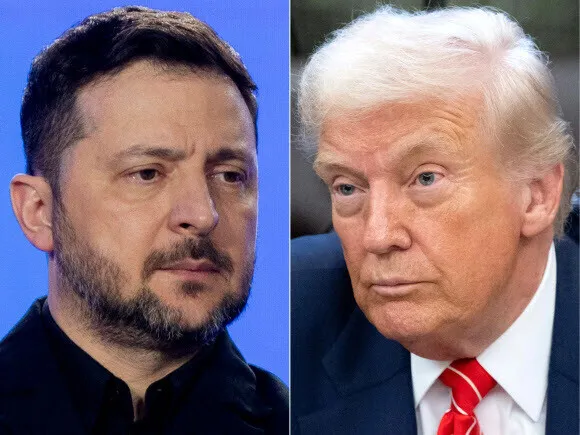
Donald Trump made a phone call to Vladimir Putin and cut a diesel deal behind Kyiv’s back. According to Axios, the exchange was triggered after Trump asked Volodymyr Zelensky six times to halt Ukrainian strikes on Russian oil refineries — and six times, Zelensky declined.
The White House response was swift and blunt. A US official told Axios that Zelensky was “misreading the situation” and damaging months of rapport with Trump by continuing the refinery campaign. Within hours, Trump announced a direct supply agreement with Russia: 300,000 metric tons of diesel immediately, another 500,000 tons in November, and 1 million tons shortly after that. The Treasury Department issued a temporary sanctions exemption to make it legal.
Zelensky called the deal “neither fair nor honest” — a gift to Putin. He was right. But the real damage goes far beyond diplomatic insult.
Why This Is Not Just About Diesel
To understand the stakes, look at the numbers. International diesel prices have more than doubled this year — from $78.34 per barrel in early January to $170.14 by early October, according to Korea National Oil Corporation data. US diesel prices have surged roughly 70 percent since the outbreak of the US-Israel-Iran conflict, reaching $6.28 per gallon as of September 9. Trump’s political calculus is transparent: stabilize fuel costs before the midterm elections, even if it means making a side deal with the Kremlin.
But this isn’t simply about gasoline at the pump. It’s about who controls the leverage in a war Trump claims he can end quickly. By bypassing Kyiv entirely and striking a bilateral energy deal with Moscow, Trump has sent a clear message: American support for Ukraine is conditional, and American domestic politics trumps alliance obligations.
The timing amplifies the signal. Ukraine has been mounting sustained strikes against Russian refining capacity precisely because Moscow banned diesel exports in retaliation. Those Ukrainian strikes were a legitimate military strategy aimed at degrading Russia’s war economy. Trump’s deal effectively rewards Russia for that export ban and punishes Ukraine for following its own strategic logic.
The Europe Factor Everyone Is Ignoring
Here’s what the reporting hasn’t covered yet: Europe. NATO allies are watching this deal with growing alarm, and for good reason. If the United States can unilaterally lift sanctions on Russian energy while Ukraine’s defenses are underfunded and undersupplied, what does that mean for European security guarantees? Germany and Poland, in particular, have staked their foreign policy on a firm stance against Russian aggression. A US-Russia diesel deal undercuts that framework entirely.
European leaders will be furious — not just because they weren’t consulted, but because the deal destabilizes the very energy market they’ve spent years trying to decouple from Russia. France and Italy already depend on Russian gas. This move gives Moscow a financial lifeline while punishing the countries that have been most disciplined about diversification.
The Sanctions Loophole That Changes Everything
Perhaps the most consequential detail is buried in the Treasury Department’s action: a temporary sanctions exemption allowing Russian diesel into the United States. This isn’t a one-time waiver. It sets a precedent. If Washington can carve out exceptions for Russian energy on the grounds of price stabilization, the entire sanctions architecture built since 2022 begins to erode.
Russia’s defense ministry confirmed that Ukraine had suggested a reciprocal ceasefire — stop attacking power plants, and Kyiv would halt refinery strikes. Trump dismissed this framing. His stated reason was domestic fuel prices. But the implication is larger: the United States is now willing to negotiate directly with Moscow on resources while treating Kyiv as a subordinate partner rather than a sovereign ally.
Second-Order Effects That Could Reshape the Conflict
The deal’s ripple effects extend well beyond the immediate energy market. First, Ukraine’s ability to wage a defensive war depends heavily on targeting Russian logistics and energy infrastructure. Every refinery strike is a calculated decision to degrade Moscow’s capacity to fund and supply its war effort. By forcing Kyiv to stand down — or by rendering those strikes irrelevant through a side deal with Moscow — Washington is effectively disarming Ukraine’s most effective non-kinetic weapon.
Second, the precedent this sets could embolden other adversarial states. China has been watching closely, noting how quickly the United States abandons its own sanctions framework when domestic political pressures mount. If Beijing concludes that Washington’s commitment to holding Russia accountable is conditional and reversible, the calculus around Taiwan, the South China Sea, and broader Indo-Pacific strategy shifts dramatically.
Third, American refineries and fuel distributors stand to gain directly from the Russian diesel influx. Energy companies with established relationships in the Gulf Coast refining corridor may lobby hard to make the temporary exemption permanent. Once that happens, the political cost of rolling back sanctions increases exponentially — not because of national security concerns, but because of jobs and profit margins tied to Russian hydrocarbons.
Fourth, Ukraine’s domestic political landscape could fracture under the weight of perceived betrayal. Zelensky’s approval ratings, already strained by a grinding war of attrition, may face a sharp decline if voters conclude that American abandonment is not temporary but structural. Hardliners within Ukraine’s political spectrum could gain ground, pushing for more aggressive military postures or, conversely, seeking alternative partnerships with skeptical European powers who lack the capital to replace American support.
What Happens Next
Three things are likely. First, Zelensky will face immense pressure to accept a negotiated settlement he may not want — because the unconditional military and diplomatic backing of the United States has been quietly withdrawn. Second, European allies will scramble to fill the gap, but they lack the political cohesion and military industrial capacity to replace American support overnight. Third, the midterm elections will become a referendum on Trump’s Russia deal whether voters realize it or not.
The diesel shipments themselves will arrive on schedule — 300,000 tons now, a million more by year’s end. They will ease pressure at the pump and give Trump a tangible domestic win. But the strategic cost is steep: a precedent that US security commitments are negotiable, and that Russia can profit from a war it started by striking private deals with Washington.
Kyiv is left to clean up the fallout from a strategy it didn’t know had been abandoned.