Trump's Demand for Zelenskyy's Ouster Rewrites Ukraine Alliance Rules
Donald Trump publicly demanded Ukraine replace its president over a Russian diesel deal — a dramatic escalation that signals Washington is treating Kyiv as a bargaining chip in a broader geopolitical realignment.
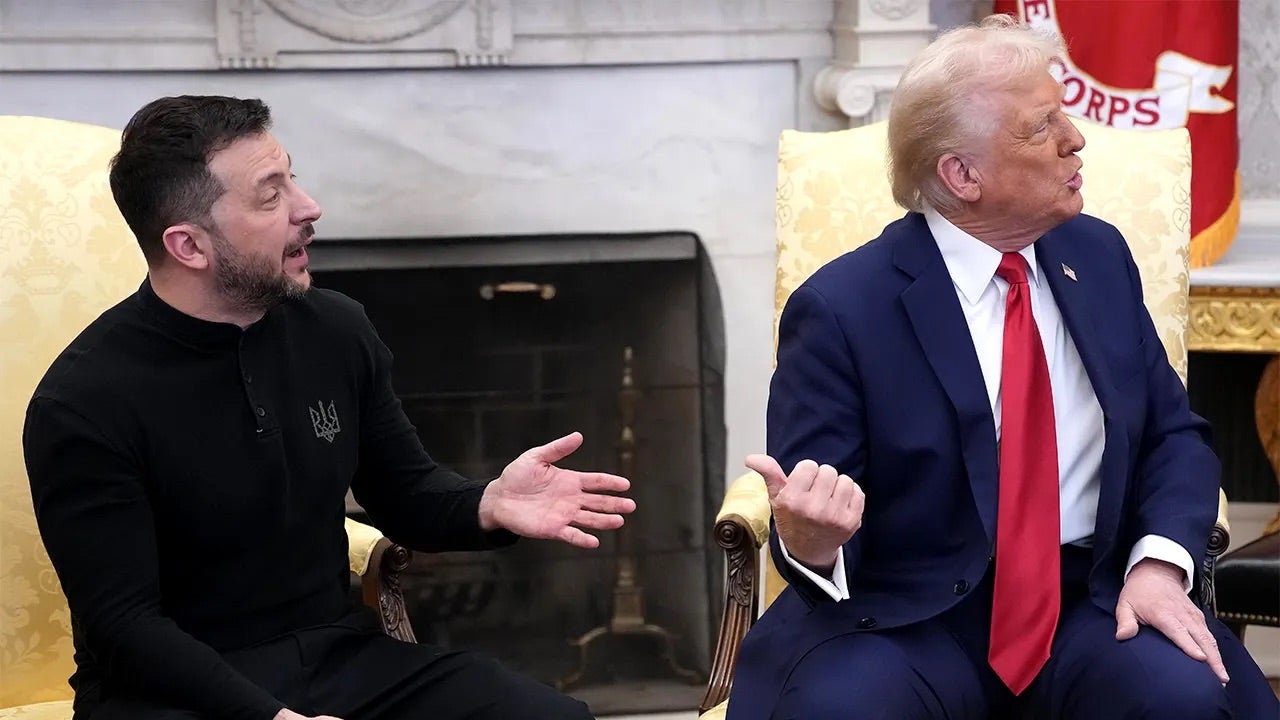
Trump Didn’t Just Criticize Zelenskyy. He Told a Sovereign Leader to Step Down.
What happened outside the White House this past Saturday will not be treated lightly in diplomatic capitals around the world. President Donald Trump told reporters that it was time for Ukraine to get a new president — a direct, public call for the removal of a democratically elected head of state by the leader of its most powerful ally.
The trigger was not a broken promise or a moral failure. It was a disagreement over energy policy. Specifically, whether Ukraine should continue authorizing strikes on Russian oil refineries even as Washington negotiated a deal with Moscow to ease sanctions on Russian diesel exports.
Trump said Russian President Vladimir Putin had agreed to deliver millions of tons of diesel to the United States and global markets under a deal that suspends sanctions until April 7. He argued that Ukrainian strikes on refineries were worsening a global fuel crisis and violating an understanding Trump claimed to have struck with Kyiv.
“We said, ‘You can do whatever you want to Russia. Don’t hit the refineries,’ because that’s a world problem that’s caused,” Trump told reporters. “He’d better d— well stop.”
The language was crude. The implication was unmistakable: Ukraine’s military strategy should be subordinate to America’s domestic fuel concerns, and any leader who refuses that arrangement should be replaced.
Who This Deal Actually Serves
Let’s be clear about what the diesel agreement represents. Russia, at war with Ukraine, is being permitted by the United States to export diesel fuel to global markets — including its own — with sanctions lifted until April. Zelenskyy warned that this would give Moscow additional revenue to buy weapons and sustain its war effort.
Trump’s framing inverted that logic entirely. The problem, in his view, is not that Russia gets richer from selling fuel while bombing Ukrainian cities. The problem is that those strikes on refineries are pushing up fuel prices in America.
This is the transactional endgame of the Ukraine war, stripped of any remaining rhetorical pretense. The United States is no longer positioning itself as the defender of a sovereign nation fighting an unprovoked invasion. It is positioning itself as a stakeholder in a market arrangement that benefits American consumers — and will penalize allies who interfere.
The math is not subtle. Russian diesel entering global supply chains adds to fuel availability, which puts downward pressure on pump prices. Trump faces rising energy costs tied to the conflict with Iran and needs relief before midterm campaign rallies. Ukraine’s security calculus does not factor into that equation.
Who Loses When Allies Aren’t Sovereign
Zelenskyy has spent four years building a case for Western support grounded in sovereignty, international law, and the moral architecture of the post-World War II order. Trump’s remarks dismantle that foundation in a single sentence.
If the United States treats a wartime leader as removable for defying American commercial preferences, then alliance membership has been redefined as conditional compliance. Military aid is no longer an investment in a partner’s survival. It is a line item subject to market discipline.
European capitals watched this exchange with growing alarm. NATO allies who have invested billions in Ukrainian defense now face a simple question: What did they actually buy? A commitment to defend Ukraine’s sovereignty? Or a guarantee that Ukraine would follow American energy policy?
Germany, France, and the United Kingdom have spent the war rebuilding their defense industries and recalibrating their strategic posture around American leadership. This moment will require them to decide whether to double down or hedge independently.
The Unanswered Question
Trump also criticized Zelenskyy for failing to reach an agreement to end the war, saying the Ukrainian leader “could have made many deals and, for some reason, he never does.” This accusation carries its own weight — but it also raises a question that Washington has not honestly confronted.
What deal was Ukraine supposed to make? Ukraine lost territory. Russia occupies roughly twenty percent of the country. Any peace agreement that concedes land or limits Kyiv’s sovereignty is politically toxic for Zelenskyy and militarily dangerous for Ukraine. Trump’s demand implies that the reasonable solution is obvious. It is not.
The United States already has its own proposed settlement framework, discussed in private channels and reported in fragments. Trump hinted at it during the same press exchange. But the public demand for Zelenskyy’s removal changes the dynamic from persuasion to ultimatum — and ultimatums rarely produce stable outcomes.
What Comes Next
The diesel deal expires April 7. Whether it renews, expands, or collapses will determine a great deal about the trajectory of the war and the nature of the American alliance system. If Washington continues to prioritize energy markets over Ukrainian territorial integrity, expect Kyiv to grow increasingly independent in its military decision-making — not because it wants to defy America, but because America has made it clear that its interests are not aligned.
Trump’s comments also come weeks before Ukraine’s president was expected to address the United Nations, potentially outlining a path toward a negotiated settlement. The timing suggests Washington is preparing the ground for a deal that Kyiv may not be able to accept — and that Zelenskyy may not be able to survive politically if he does.
A public demand for a friendly leader’s removal is not a norm-breaking anomaly in American diplomacy. It is a signal that the norms themselves have been abandoned. The question now is whether other allies take notice — and whether they adjust their expectations accordingly.