U.N. War Crime Allegations Threaten Trump’s Iran Strategy
A U.N. panel found reasonable grounds to believe U.S. strikes in Iran may constitute war crimes, even as Trump insists Tehran wants a deal. The findings threaten to escalate a regional conflict into an international legal crisis, with consequences for global oil flows and diplomatic leverage.
The U.N. Fact-Finding Mission Delivers a Verdict That Could Haunt U.S. Diplomacy
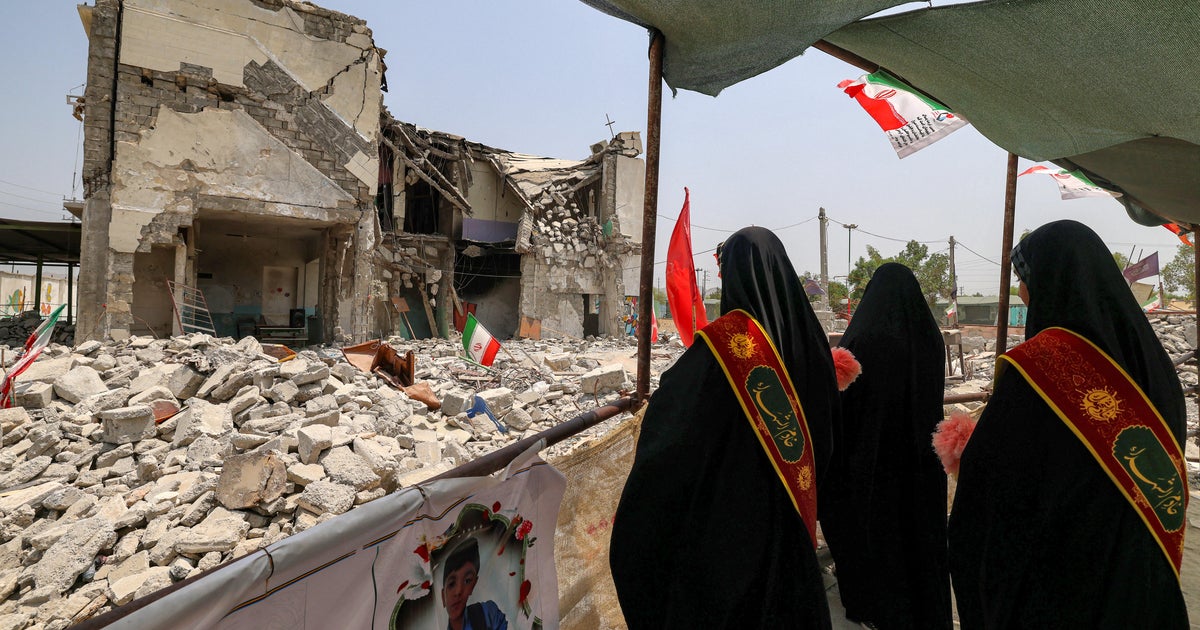
A United Nations expert panel has concluded there are “reasonable grounds” to believe the United States committed war crimes in two strikes on Iranian civilians last February. The findings, released Thursday, center on an airstrike that hit a primary school in Minab, killing at least 168 people—mostly children—and a precision-missile attack on a sports complex in Lamerd that scattered tungsten pellets over a residential area. The U.N. fact-finding mission said the Minab strike qualified as an indiscriminate attack on civilians and civilian objects, a war crime under international law. It also noted that Iranian security forces had carried out killings on a “staggering scale” during the same period, but the spotlight fell squarely on the U.S.
The timing is explosive. President Trump has been publicly insisting that Iran wants a deal, a claim he repeated Wednesday while touting a naval blockade that has redirected 104 vessels away from Iranian ports. He told reporters in North Carolina, “Not one ship going to Iran has gotten through that blockade.” Meanwhile, the U.N. panel’s report arrives as the Trump administration prepares to meet with Gulf leaders at the U.N. General Assembly next Tuesday to discuss post-war strategy. The juxtaposition creates a stark contradiction: the U.S. is simultaneously pursuing a diplomatic off-ramp and facing allegations that its military actions may have crossed a legal line.
Who Wins, Who Loses, and What Happens Next
The immediate losers are the U.S. government’s credibility and its negotiating position. The administration has spent months portraying the war as a limited, precise operation against Iranian military targets. The Minab school strike—where intelligence may have wrongly identified the area as a military installation—and the Lamerd attack, which used controversial fragmenting munitions, undermine that narrative. Even if the U.S. denies intent, the “reasonable grounds” standard from the U.N. mission is enough to open the door to investigations by the International Criminal Court or national courts exercising universal jurisdiction.
Iran gains a powerful propaganda tool. The regime has already seized on civilian casualties to rally domestic support and paint the U.S. as an aggressor. The U.N. findings validate Tehran’s claims and harden its stance. Iranian officials have consistently denied any interest in a peace deal unless the U.S. accepts conditions tied to a June memorandum of understanding—conditions that include lifting the naval blockade. With the U.N. report now in hand, Tehran can argue that Washington is unfit to negotiate until it accounts for alleged war crimes.
The Gulf states, which host U.S. military bases and have been targeted by Iranian missiles and drones, are caught in an awkward middle. They benefit from American security guarantees but risk being association targets if the conflict draws them into legal battles. Saudi Arabia, already under pressure from Houthi attacks that have displaced over 100,000 Yemenis this month, may find its diplomatic space shrinking.
Markets react with volatile nerves. Crude prices fell Thursday after U.S. Energy Secretary Chris Wright said a damaged Saudi pipeline would be repaired “relatively soon,” but the U.N. report introduces a new uncertainty. If legal proceedings threaten U.S. military operations or trigger secondary sanctions on American contractors, the risk premium on global oil could climb. The Strait of Hormuz, through which 18 million barrels per day once flowed before the war, currently handles about 11 million barrels with U.S. protection. Any disruption to that arrangement would reverberate worldwide.
A Precedent That Could Reshape How the U.S. Fights
This is not the first time the U.S. has faced war-crime allegations. The Iraq War, the drone campaigns in Yemen and Somalia, and the Afghanistan conflict have all drawn scrutiny. But a formal U.N. fact-finding mission reaching a “reasonable grounds” conclusion against the United States is unusual. It signals a shift in the international legal landscape: no major power is immune, and the tools for accountability are expanding.
The U.N. mission’s report focuses on two incidents, but it leaves open the possibility of a broader inquiry. The panel said it was “continuing to collect evidence” on other strikes. If additional findings emerge—particularly involving civilian infrastructure or prohibited weapons—the pressure on Washington will intensify. The White House has not responded to the report, but CENTCOM has rejected similar accusations from Iran in the past, calling them baseless.
For the Trump administration, the dilemma is clear. Pressing ahead with the blockade and military pressure risks further civilian casualties and more legal exposure. Pivoting to diplomacy could be framed as weakness, especially after Trump’s claim that Iran wants a deal. Yet the U.N. report makes a clean break from the current posture nearly impossible. Allies like France and Jordan are already discussing post-war security arrangements for Lebanon, and they may demand that the U.S. demonstrate compliance with international law before committing resources.
The Human Cost Behind the Legal Battle
Beyond the geopolitics, the numbers tell a grim story. In Minab, 168 people died in a school strike. In Yemen, over 100,000 have been displaced this month alone, including more than 57,000 children. The Houthi advance toward the Bab el-Mandeb strait threatens another global chokepoint, while Saudi civil defense reports one death from shrapnel of an intercepted drone. Iran’s vice president apologized for soaring inflation, acknowledging that household incomes can’t keep pace with costs under the blockade. These are not just statistics; they are the conditions that fuel grievances and prolong conflicts.
The U.N. panel’s work is part of a larger effort to document atrocities in the region. Its findings will likely be cited in future legal cases, media coverage, and political debates. For English-language readers, the lesson is that the war in Iran is not just a regional struggle—it’s a test of whether international law can constrain even the most powerful militaries.
What to Watch Next
The immediate focus will be on whether the U.S. responds to the U.N. report with engagement or dismissal. A refusal to cooperate could isolate America further; a measured acknowledgment might preserve some diplomatic leverage. The meetings with Gulf leaders next week will reveal how much weight the administration is willing to give the findings. Meanwhile, Iran’s Supreme Leader Mojtaba Khamenei, who has not been seen in public since replacing his father, may use the report to justify hardening the blockade demand—“not one ship” will pass until Trump and Netanyahu are removed from power, according to a senior adviser.
Oil markets will track pipeline repairs and Strait of Hormuz traffic. If the East-West pipeline in Saudi Arabia remains offline beyond next week, Brent crude could surge past $110. If the U.N. mission expands its probe, expect legal teams from affected families to file complaints in national courts. And if the ICC opens a preliminary examination, the U.S. could face visa restrictions on officials involved in targeting decisions—a scenario that would send shockwaves through Pentagon and State Department planning.
The war in Iran is at a crossroads. The U.N. panel’s report doesn’t end the conflict, but it changes the rules of the game. Diplomacy now has to contend with legal liability, and military strategy must account for the possibility that every strike could become a courtroom exhibit. For a administration betting that pressure will force Iran to the table, the timing couldn’t be worse. The question is whether Trump will double down or adjust course before the allegations harden into something irreversible.