Why Platforms Are Refusing Ads for 'Musk'—And What It Reveals
Social media giants are declining ad spots for Alex Gibney's critical Musk documentary, citing political content policies. But the real story is how platform gatekeeping, Musk's personal retaliation, and the Streisand effect are colliding.
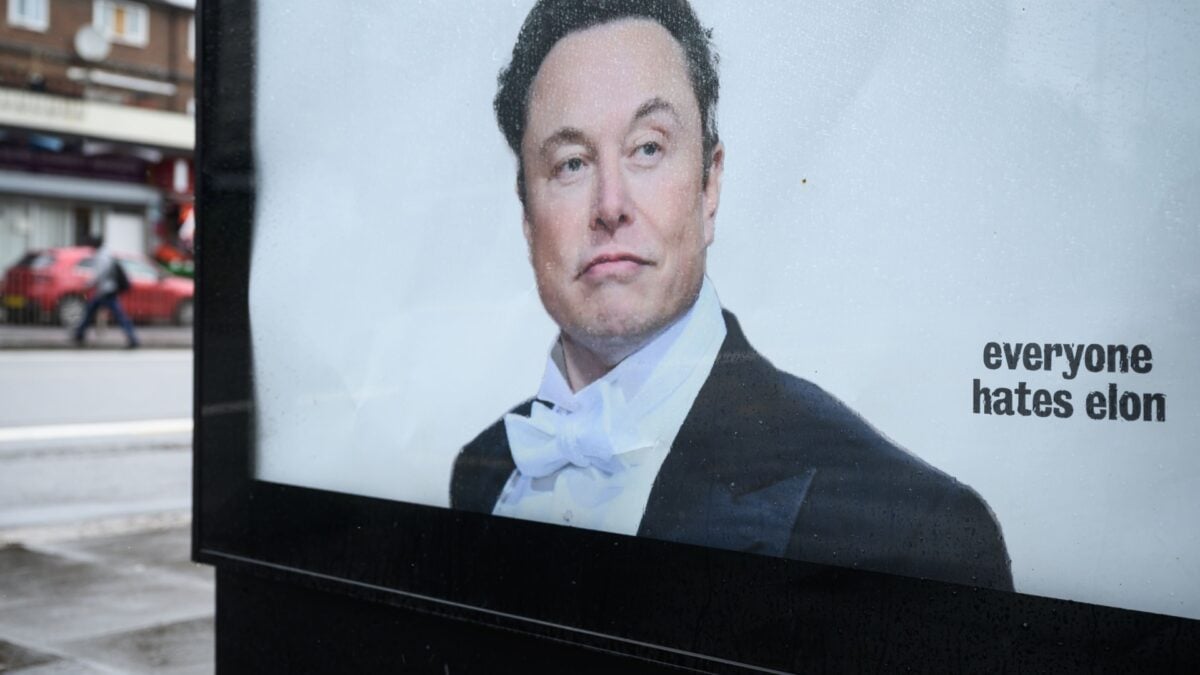
The Ad Boycott That Isn’t About Policy
The news came through quietly but carried unmistakable weight: every major social media platform is refusing to run ads for “Musk,” the Alex Gibney documentary hitting theaters October 9. YouTube, Meta’s Facebook and Instagram, and TikTok—all cited “political content” as the reason. Bleecker Street, the independent distributor behind the film, was surprised. It shouldn’t have been.
What looks like a coordinated policy enforcement is actually something more revealing. These platforms are applying political ad restrictions to a Hollywood documentary as if it were a campaign advertisement, treating a film about a living billionaire with enough cultural and political reach to qualify as political by proxy. The policy framework exists. The choice to apply it here doesn’t.
The Real Story Is Who Gets Punished
Here’s what the headline misses: Elon Musk’s own platform, X, refused to acknowledge Bleecker Street’s ad inquiries entirely. And not just for “Musk.” X won’t accept advertising for any of the other films on Bleecker Street’s upcoming slate. This isn’t policy application. This is personal retaliation.
Gibney’s film has already drawn Musk’s attention—and his rage. He called the director a person with “zero integrity” and a “horrible human.” That response tells you everything about the documentary’s tone. Variety described it as “a lacerating portrait of technocratic brilliance, power lust, and crackpot delusion.” POV Magazine called it “the totality of dread.” This is not a puff piece.
The other platforms may have hidden behind policy language, but X made its posture unmistakably clear. The distinction matters because it reveals something about where true gatekeeping power now sits. It’s no longer in content moderation departments following style guides. It’s concentrated in the hands of a single person who owns the platform and views any criticism as an act of war.
The Policy Shield Works Both Ways
TikTok and YouTube are reportedly still considering Bleecker Street’s appeals. Meta has already rejected the distributor’s request. None of the companies returned requests for comment. That silence itself is a data point.
The political content restrictions these platforms maintain were designed for election cycles, advocacy groups, and lobbying organizations. They were never meant to cover a documentary about a private citizen who happens to also be a political actor, a business magnate, and a platform owner. The fact that they’re being stretched to this use says something about how the line between commerce and politics has dissolved.
But it also says something about corporate risk calculus. When a documentary subjects a figure like Musk to scrutiny, and that figure controls a major platform while maintaining a vast network of business relationships across Silicon Valley, the most rational decision for any platform is to decline the ad revenue and avoid the headline. The financial loss from one campaign is negligible compared to the potential cost of provoking someone who can shape narratives at scale.
Universal Almost Blinked
The pressure extends beyond advertising. According to The Hollywood Reporter, Comcast-owned Universal nearly declined to distribute the finished film internationally because the topic was deemed “politically sensitive for parts of the Trump administration.” The overseas rights had already been sold for a significant sum. Universal eventually reversed course and committed to supporting the film, but the near-miss is instructive.
This is the second-order effect that rarely gets discussed: when one player in a market becomes sufficiently powerful, their influence radiates outward and constrains decisions made by people who have no direct relationship with them. A distributor in Tokyo or a theater chain in London may well be weighing the same calculus without ever having spoken to Musk directly.
Documentaries Depend on Word of Mouth—And Word of Mouth Lives Online
n
The practical consequence for “Musk” is significant. Documentaries rely disproportionately on social media momentum. Unlike big studio releases with massive marketing budgets, indie documentaries grow through shares, reactions, and organic conversation. Blocking ads doesn’t prevent people from seeing the film, but it removes the fuel from an already underfed promotional engine.
The Streisand effect is real, and it may already be in motion. People who haven’t heard of the documentary will learn about it through the controversy of its advertising being blocked. But that’s not a reliable distribution strategy, and it advantages the subject of the film over the filmmakers.
The Consolidation Problem
This episode lands in a longer sequence. Corporate consolidation in media has steadily narrowed the channels through which criticism of powerful figures can reach audiences. Each platform that declines to advertise a critical documentary is making the same calculation: the risk of association outweighs the revenue. Collectively, those decisions create an environment where the most powerful individuals in any sector effectively control their own publicity ecosystem—not through direct censorship, but through the accumulated weight of platforms choosing non-engagement.
Musk’s wealth and relationships give him traditional influence. But what’s emerging is something more structural: a system where platform policies, applied unevenly and often invisibly, do the work that overt censorship once required. The result is the same. The mechanism is just cleaner, defensible, and deniable.
The documentary reaches theaters October 9. Whether it finds an audience through the back door of controversy or the front door of conventional promotion remains to be seen. What’s clear is that the gatekeepers have changed, and the gates are closing in ways that have nothing to do with policy and everything to do with power.