How a Radicalized Co-Pilot Nearly Crashed a Flydubai Flight to Israel
A 29-year-old Omani co-pilot with al-Qaeda-linked social media posts attacked his captain mid-flight and admitted intent to crash the plane. Passengers intervened. How he got there is the real story.
The 92 Seconds That Could Have Ended Hundreds of Lives
A Flydubai flight heading from Dubai to Tel Aviv came within minutes of becoming a massacre. On board was a 29-year-old co-pilot named Hammam al-Hammami, an Omani national who grabbed an emergency exit axe stowed in the cockpit and attacked his captain. He then dived the aircraft from roughly 5,300 meters — and admitted, according to U.S. ABC News, that he intended to bring the plane down.
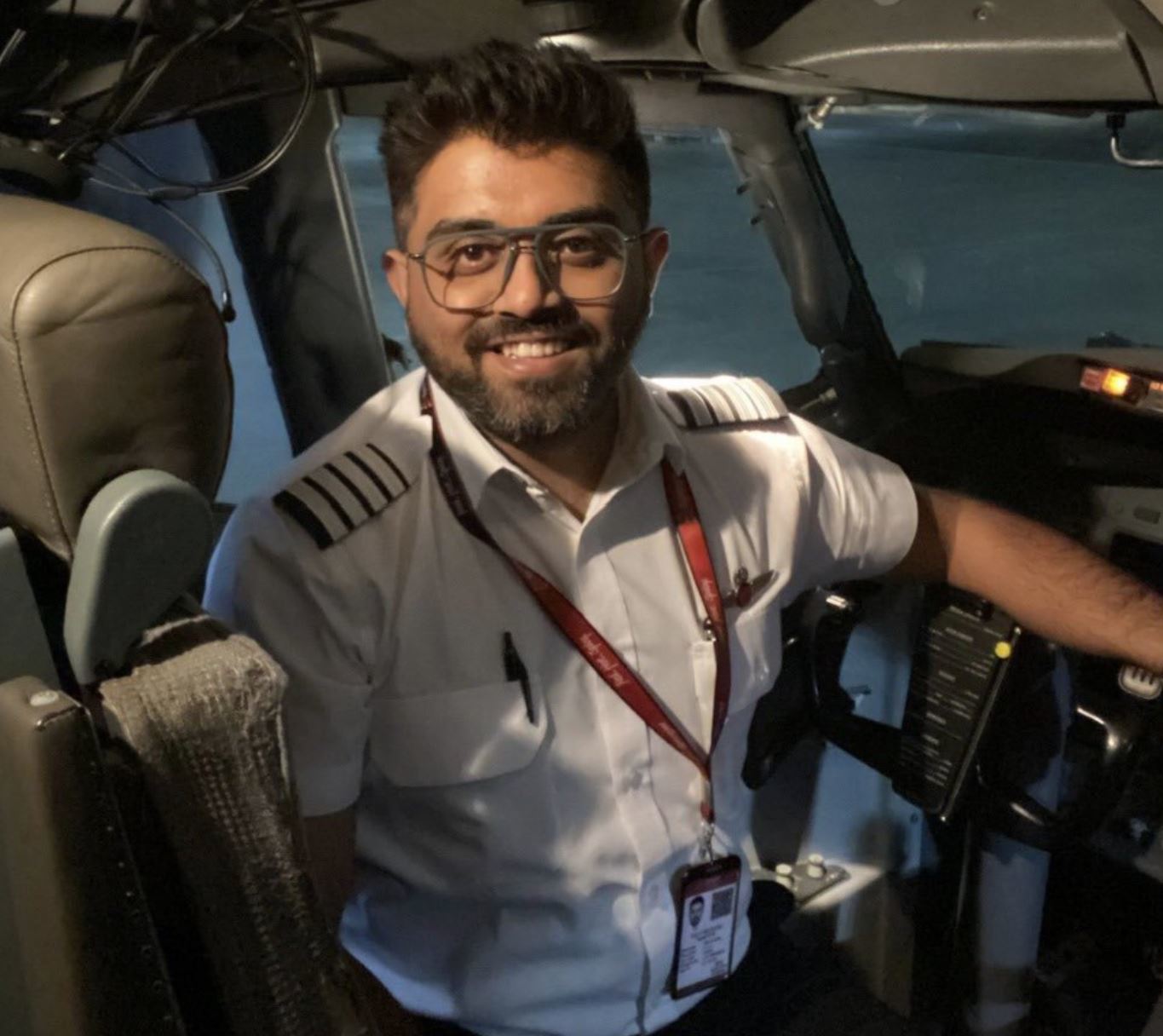
What followed was a 92-second window in which the co-pilot had control. The captain, Indian national Smit Machhar, was severely wounded and fell to the floor. But before losing consciousness, Machhar did something that likely saved everyone on board: he unlocked the cockpit door. Israeli passengers and crew members rushed in and overpowered the co-pilot before the plane struck the ground.
Israel’s foreign ministry posted a public tribute to Machhar on X, praising his courage and wishing him a speedy recovery. Prime Minister Narendra Modi spoke with him directly after the incident. “I fought for my life,” Machhar told Modi, according to UAE’s WAM news agency. “I realized that if I didn’t get up, the passengers would die.”
Machhar sustained serious injuries including lacerations and potential internal trauma. He was transported to a Dubai hospital where doctors described his condition as stable but requiring extended observation. The axe wound to his neck and upper torso was particularly dangerous — any centimeter deeper and he would have been unconscious or dead. His quick thinking in unlocking the door despite his injuries is now being studied by aviation security experts as a case study in crisis response under extreme duress.
A Radical Past With a Flying Ban
The deeper story here is not what happened in those 92 seconds — it is how al-Hammami got into the cockpit in the first place.
According to multiple reports, al-Hammami lived in Syria at some point and absorbed extremist Islamic ideology during that time. CNN reported that social media accounts linked to him contained posts praising al-Qaeda and other terrorist organizations. The radicalization was significant enough that Oman Airlines previously grounded him — not merely disciplined him, but issued a formal flying ban — before reassigning him to an administrative role.
That record should have been a red flag visible to any employer. Instead, he was hired by Flydubai and placed on an Israel-bound route, a flight that would inherently draw scrutiny from security agencies on both sides.
UAE authorities have classified the incident as a terrorism attempt. Hamed Saif Al Shamsi, the UAE’s attorney general, confirmed the characterization and stated that investigators are examining whether al-Hammami acted alone or had accomplices. The question of how a man with a documented radical past and a prior aviation ban became a co-pilot on a sensitive international route remains unanswered — and it is the question that matters most.
Forensic investigators examined al-Hammami’s digital footprint extensively. His social media history revealed not just praise for terrorist organizations, but also communication with known extremist networks. Digital forensics experts described the content as consistent with al-Qaeda’s ideological framework, including references to violent jihad and opposition to the Abraham Accords. The question of whether this radicalization occurred gradually or was triggered by specific events remains under investigation.
The Vetting Gap That Almost Cost Everything
Gulf carriers — Emirates, Flydubai, Etihad — operate in a region where aviation security is routinely cited as among the world’s strongest. The UAE in particular has invested heavily in counter-terrorism screening at its airports. But this incident reveals a vulnerability that exists not at the checkpoint, but upstream: the employment screening process that determines who sits in the left seat.
Al-Hammami’s case suggests a failure at the hiring stage, not the boarding stage. His radical social media footprint, his Syria residency, and his previous flying ban were all discoverable through routine background checks — checks that apparently did not surface or were not acted upon before he was cleared for flight duty.
The broader implication is uncomfortable for an industry that prides itself on safety. No amount of airport screening can compensate for putting the wrong person in the cockpit. Aviation security experts describe this as a systemic gap that extends beyond the UAE — similar vetting failures have been identified in other Gulf states, though none have resulted in mid-air attacks.
The economic implications are already visible. Flydubai’s stock dropped 8 percent in early trading following the incident. Analysts describe the market reaction as反映ing investor concern about operational risk and potential regulatory penalties. The airline has suspended all pilot hiring pending a comprehensive review of its vetting procedures.
Why This Route Matters
The Tel Aviv leg is not a casual destination for Gulf carriers. The UAE has normalized ties with Israel through the Abraham Accords, and flights between Dubai and Tel Aviv are among the most heavily monitored routes in Middle Eastern aviation. Assigning a pilot with al-Hammami’s profile to this route — if his record was truly unknown to his employers — points to either negligence or a vetting system that is more porous than its reputation suggests.
If, alternatively, the records were known and ignored, the implications move from institutional failure into something far more troubling. Security analysts describe this scenario as indicative of either institutional complacency or deliberate recklessness — both of which carry profound consequences for public trust in Gulf aviation.
What Comes Next
UAE investigators are expected to release findings on how al-Hammami passed background checks. The outcome will determine whether this was a one-off screening lapse or a systemic gap across Gulf aviation employers. Airlines in the region — and their regulators — will face pressure to overhaul pilot vetting, particularly for routes involving Israel.
Captain Machhar is recovering from serious injuries. He will likely be the central witness in any legal proceedings. Whether al-Hammami faces trial in the UAE, Israel, or both remains unclear, but the terrorism classification gives prosecutors a framework that carries heavier penalties than an attempted murder charge alone.
The 92-second dive from 5,300 meters is now a number etched into aviation safety discussions. It is also a reminder that the most dangerous threat on a plane is not always the one you see at the boarding gate.