French Supermarket Cyberattack Exposes Cold-Chain IoT Vulnerability
A cyberattack targeting refrigeration systems across 400 French supermarkets reveals critical IoT vulnerabilities in cold-chain infrastructure. Temperatures surged to 50°C, causing massive food waste and highlighting risks to global retail supply chains.
The Attack That Melted Europe’s Food Supply
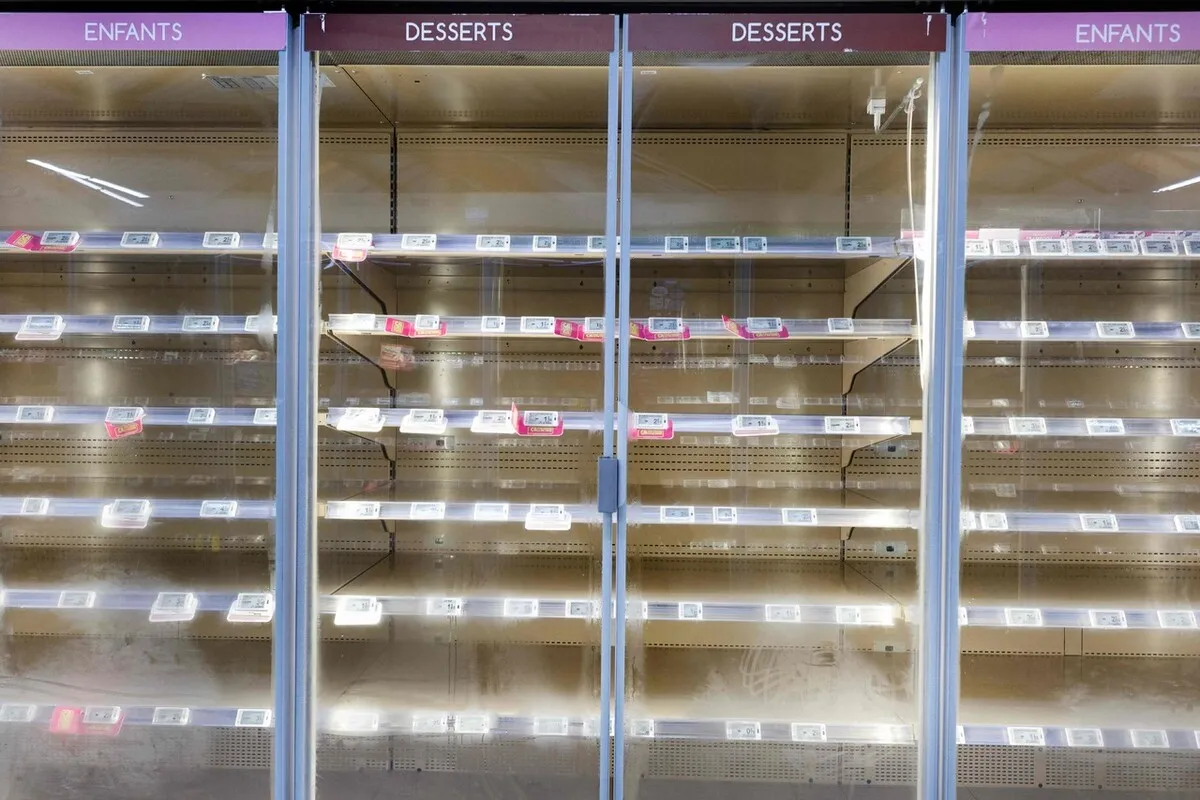
French supermarkets stood empty on Tuesday morning, their refrigerated shelves stripped bare as 400 stores across the country became victims of a coordinated cyberattack. What makes this incident different from typical ransomware headlines isn’t the digital intrusion—it’s what happened next. Temperatures inside refrigeration units surged to 50 degrees Celsius over six hours. Food spoiled. Some locations caught fire. And customers watched ice cream melt onto Parisian sidewalks.
The attack, confirmed by the Prime Minister’s office on December 12, targeted cold-chain infrastructure across France’s largest supermarket chains. Le Moussquetaire Group—which operates 150 Hyper Marché stores—reported that refrigeration systems ran at abnormal temperatures overnight. Staff loaded thawed frozen goods onto carts and threw them into garbage bins. Broken containers leaked melted ice cream onto streets. The company discarded all affected food without attempting redistribution, citing contamination risk.
This isn’t just a French problem. Security firm Secquia analyst Felix Emer told Reuters that Spain, Portugal, Poland, Germany, and Belgium also experienced damage to refrigeration systems. Dutch retailer Ahold Delhaize temporarily halted some systems due to security concerns, though direct connection to the French attack remains unconfirmed. Emergency response teams in three French departments received calls about smoke emerging from supermarket HVAC units—a secondary effect of compressors running uncontrollably after firmware manipulation.
Who Controls Your Cold Chain?
The vulnerability exposed here cuts through typical cybersecurity coverage. This wasn’t a phishing email or a stolen password. Attackers remotely manipulated refrigeration control systems—software that manages temperature settings across entire store networks. Maintenance companies access these systems remotely to adjust configurations. That convenience became the attack vector.
French prosecutors identified a software vulnerability in equipment supplied by Danish company Danfoss. The company stated affected devices “were operating on legacy firmware” and had long recommended customers maintain current firmware versions or transition to next-generation solutions. Danfoss deployed a software update addressing the vulnerability within 48 hours of the attack becoming public.
Here’s what Western desks might miss: this attack reveals how industrial IoT threats scale across borders. Refrigeration systems connect to the internet for maintenance purposes. When hackers gained access, they could manipulate temperatures remotely—no physical breach required. The attack exploited a fundamental tension in retail infrastructure: operational efficiency versus cybersecurity resilience. Many stores had disabled automatic alerts to reduce “nuisance notifications,” a practice that left no human watching when temperatures began climbing.
The supply chain complexity adds another layer. Danfoss manufactures climate-control hardware, but the vulnerable firmware ran on gateway devices produced by third-party integrators. Those integrators often serve multiple retail brands across Europe, creating a shared exposure map that attackers could traverse with minimal lateral movement.
The Real Cost: Beyond the Data Breach
Most cybersecurity coverage focuses on stolen data or financial loss. This attack measured its cost in wasted food and compromised supply chains. Le Moussquetaire Group disclosed that refrigeration temperatures rose to 50 degrees Celsius over six hours. That’s not a glitch—that’s destruction.
CEO Dominique Chechele described the attack as “extremely serious and unprecedented” against infrastructure essential for food preservation and national food supply. The French government responded by directing the National Cybersecurity Agency (ANSSI) to investigate. The PM’s office confirmed cooperation with European countries and an investigation of additional French companies potentially at risk.
The economic impact extends beyond French retail. Global food waste represents a $1 trillion problem annually. Attacks on cold-chain infrastructure amplify this crisis while exposing vulnerabilities in critical supply chains. When refrigeration fails, food spoils faster than companies can redistribute it. The attack revealed how industrial IoT threats scale across borders with devastating consequences.
Secondary effects are already emerging. Insurance underwriters are reassessing cyber-polICY premiums for retail clients with legacy IoT deployments. Several European grocery chains have begun emergency audits of their refrigeration firmware versions, creating a bottleneck for Danfoss support teams. Municipal waste management in affected French cities reported a 300% increase in bulk organic waste pickups during the cleanup phase.
Who Wins, Who Loses?
The attackers demonstrated capability to disrupt essential infrastructure without physical presence. They showed that remote manipulation of industrial systems—software managing temperature settings across entire networks—could cause real-world destruction. This isn’t theoretical. It’s happening now.
Retailers like Le Moussquetaire Group lost inventory worth millions. Consumers faced empty shelves and disrupted shopping patterns. Danfoss damaged its reputation despite deploying updates. The French government faced scrutiny over critical infrastructure protection. The European Union faces questions about cross-border cybersecurity coordination, particularly regarding mandatory firmware update deadlines for industrial IoT devices.
Meanwhile, cybersecurity firms gained business. Companies like Secquia gained attention for threat analysis. Organizations investing in infrastructure protection saw increased demand. The attack revealed who wins when essential services become attack targets—and who pays the real price.
One unexpected winner may be secondary retailers. Smaller grocery chains and regional cooperatives that maintain smaller, more segmented IoT networks reported fewer disruptions and positioned themselves as alternatives during the supply shortage. The attack accelerated a conversation about supply chain diversification that had been stalled for years.
What Happens Next?
French prosecutors continue their investigation. ANSSI confirmed collaboration with European counterparts. Danfoss deployed software updates addressing the identified vulnerabilities and announced a firmware audit program for all legacy devices still in operation. European retailers now face urgent questions about IoT infrastructure protection and the adequacy of current regulatory frameworks.
The attack revealed a fundamental truth: industrial IoT threats scale across borders with devastating consequences. Refrigeration systems connecting to the internet for maintenance created vulnerabilities hackers exploited. When attackers manipulated temperatures remotely, they caused real-world destruction—food waste, fires, empty shelves.
Global supply chains face similar risks. Retailers worldwide must address IoT infrastructure vulnerabilities before attackers exploit them. Companies investing in cybersecurity resilience will gain competitive advantage. Organizations failing to protect critical infrastructure will face increasing threats.
Regulators are expected to introduce mandatory vulnerability disclosure timelines for industrial IoT manufacturers within the EU. The proposed framework would require firmware vendors to patch critical flaws within 30 days and provide end-of-life notifications at least 18 months before hardware support terminates. Several European legislators have already cited the French supermarket attack as proof that voluntary compliance has failed.
For consumers, the attack may slowly reshape expectations around food pricing and availability. The wasted inventory represents a supply shock that could persist in affected regions for weeks. But the deeper shift is cultural: cold-chain infrastructure, once invisible, is now visible. Every supermarket refrigeration unit, every logistics warehouse, every pharmaceutical storage facility—these are all connected systems running on legacy firmware, and the French attack proved they can be weaponized from anywhere with an internet connection.
The question isn’t whether your cold chain is vulnerable. It’s whether you’re ready when attackers strike next.