Iran, Oman Near Hormuz Reopening — But the Conditions Reveal the Deal's Fragility
Iran and Oman are close to a temporary Strait of Hormuz corridor, but Tehran's demand that Washington end the war and lift its blockade exposes the gap between a narrow shipping fix and the diplomatic impasse still controlling energy markets.
A narrow opening, a wide gap
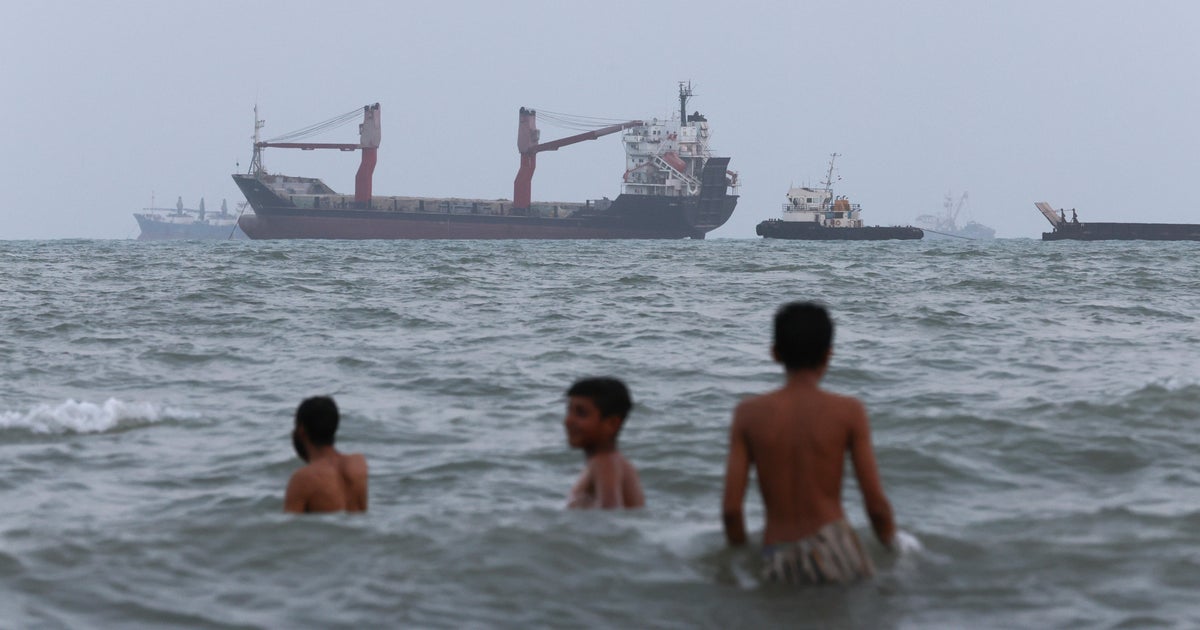
Iran and Oman are close to something that would immediately move the needle on global energy markets: a temporary shipping corridor through the Strait of Hormuz, paired with a joint plan to clear the sea mines that have blocked passage for months. Oman’s foreign minister called it “hopeful” that a formal announcement would come soon, after meetings in Muscat this week. On paper, it is the kind of confidence-building step that could break a six-month stalemate gripping global oil flows.
But read the fine print, and the arrangement reveals how far the two sides remain apart. Iran’s deputy foreign minister, Kazem Gharibabadi, told state television Wednesday that the corridor could not open until the United States lifted its naval blockade of Iranian ports and declared the end of the war on all fronts, including Lebanon. No blockade lift, no ships. The same official was on Iran’s side of the argument with Israel, insisting Israeli operations in Lebanon violated a previous ceasefire framework agreed with Washington.
The U.S. is not backing away from its own red line. President Trump posted on Truth Social Tuesday that any Iranian vessel placing mines in the strait would be “immediately and systematically destroyed,” adding that the U.S. Space Force was monitoring every square inch of the waterway. Treasury Secretary Scott Bessent laid out the broader strategy Monday: “economic asphyxiation” of Iran, severing every commercial lifeline that sustains the regime. Fresh sanctions hit on Monday targeting financial channels that move Iranian oil, with Bessent telling reporters simply that “no one is above the reach of U.S. sanctions.”
Who wins if the corridor opens
If Iran and Oman deliver a temporary route, the first winners are buyers of Middle Eastern crude. The Strait of Hormuz carries roughly 21 million barrels of oil per day under normal conditions — about a fifth of global consumption. Even a partial reopening would ease the supply premium that has lingered since the conflict began. Shipping insurance costs, already elevated, would drop. Asian refiners in India, Japan, and South Korea, which depend heavily on Gulf cargoes, would feel the most immediate relief.
The second winner is Oman, which has positioned itself as the indispensable intermediary. Muscat shares a coastline with Iran and maintains quiet channels with Washington and Tehran alike. A successful corridor cements its role as the Gulf’s neutral broker, the kind of capital that compounds over decades of conflict management. Oman’s foreign minister’s language was careful: a temporary corridor first, permanent arrangements later. That sequencing matters. It gives both sides room to claim victory without conceding the larger dispute.
Who loses — and why the deal could unravel
Iran loses nothing by attaching conditions, but it also signals that it does not trust the United States to honor any agreement. The demands are non-negotiable from Tehran’s perspective: the blockade must lift, the war must terminate. Those are the same demands made publicly for months, and they show why this temporary corridor, if it materializes, will be fragile. Any misstep — a U.S. strike, an Iranian mining operation — could collapse the arrangement before it begins.
The United States loses credibility with its allies if it appears to bargain under threat. Trump’s zero-tolerance policy on mine placement is designed to deter exactly that behavior, but it also narrows the diplomatic space. If the U.S. insists on preconditions that Iran cannot accept, the corridor stalls. If it backs down, it looks weak. Both outcomes matter.
China loses nothing obvious but gains a strategic opening. Beijing’s foreign ministry called the new U.S. sanctions “illegal unilateral measures” on Tuesday, warning Washington against punishing Chinese banks that finance Iranian oil imports. Foreign ministry spokesperson Lin Jian said China’s cooperation with Iran “has always been conducted within the framework of international law and should not be disrupted.” The message was clear: economic warfare does not solve problems, it intensifies them. Beijing will not stop buying Iranian oil, even under U.S. pressure. That stance gives Tehran breathing room that no amount of sanctions can close.
The human cost of a diplomatic stalemate
The sanctions are already hitting home in Tehran. Long lines formed at gas stations across the capital Tuesday after the new U.S. measures were announced. Mehdi Yazdian, a 55-year-old realtor, told AFP that people were being hurt, both wealthy and poor. Kia Farahani, a 45-year-old English teacher, said she personally was not afraid of war, but predicted economic pressure would trigger protests. Iran’s national police chief accused Washington Monday of seeking to create unrest through economic pain. The pattern is familiar: decades of sanctions have hardened Iranian institutions, but they also deepen civilian suffering in ways that no government can fully shield.
What happens next
If the corridor opens, expect oil prices to stabilize within days, not weeks. Asian refiners will adjust contracts. Shipping routes will shift. The premium that has lingered since the conflict began will ease. But the arrangement will remain hostage to the broader diplomatic impasse. Every mining incident, every naval encounter, every statement from Tel Aviv or Washington or Tehran will test whether a temporary fix can survive.
Netanyahu’s dismissive language — calling Iranian leaders “savages” and saying a deal is impossible — adds another layer of fragility. Israel’s continued operations in Lebanon, which Iran accuses of violating ceasefire terms, could reignite the very front that Tehran insists must be terminated. The United States is watching every square inch of the strait. Iran is watching every word.
The corridor, if it comes, is not a settlement. It is a pause. And pauses in conflicts like this one tend to be measured in days, not months.