Iran School Bombing: A UN Finding That Rewrites the Rules of War
A UN report found reasonable grounds to believe US forces committed war crimes in strikes on an Iranian school and sports facility. The findings also document Iran's own crimes against humanity during protests. Both sides now face a reckoning that could reshape regional alliances.
The Numbers Behind a War Crime Finding
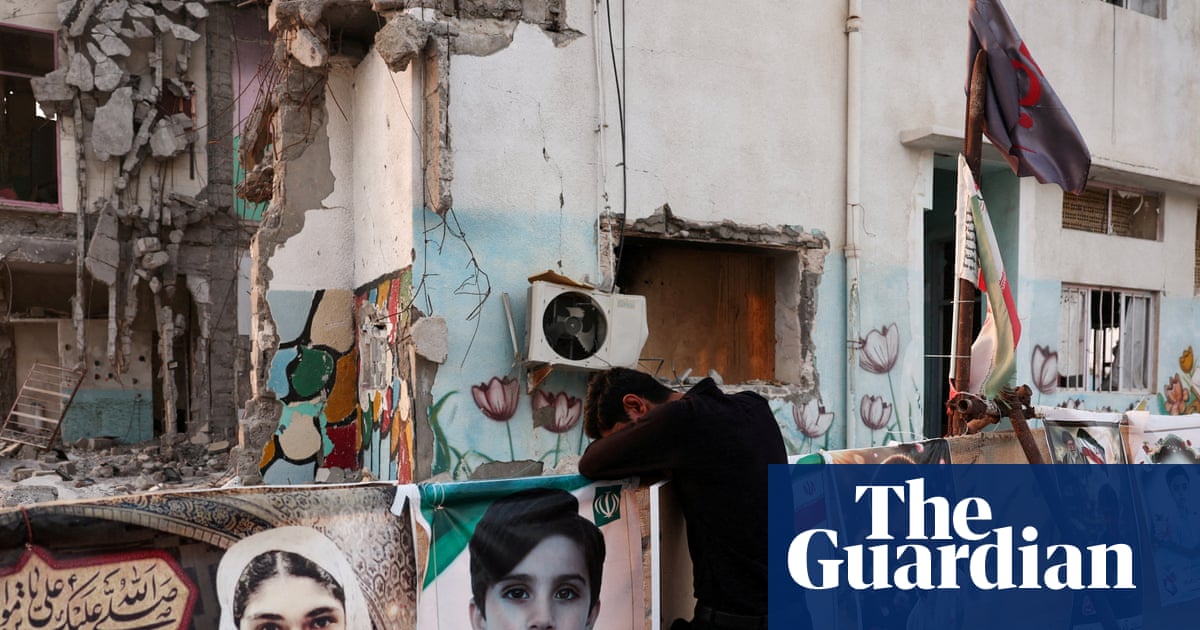
A United Nations fact-finding mission has concluded there are reasonable grounds to believe US forces were responsible for an airstrike on the Shajareh Tayyebeh primary school in Minab, southern Iran, in February of this year. The strike killed more than 150 people, including approximately 120 schoolchildren, according to Iranian officials.
The same mission examined a second strike on a sports center in Lamerd that damaged nearby residential buildings and another school, killing and injuring 22 civilians. Both were deemed indiscriminate attacks constituting war crimes under international law.
These are not allegations floating in the diplomatic ether. They come from an independent international fact-finding mission on Iran, to be formally submitted to the UN Human Rights Council in Geneva. The report examines US conduct during the Iran war that began in February, and separately documents Iranian authorities’ crackdown on nationwide protests that erupted in late December.
How the School Strike Unfolded
The Minab school was, by any standard, a clearly identifiable civilian object. The UN experts found no evidence it was being used for military purposes. Yet US forces struck it anyway.
According to the report, the US relied on intelligence suggesting a senior Iranian military commander was present at the site. The mission found the intelligence was not adequately verified before the strike was launched. investigators concluded the failure to update targeting intelligence and confirm the building was a military objective amounted to more than mere negligence.
“Rather, the US directed the strikes at the building of the school while being aware of a substantial risk of striking a civilian object and acting recklessly as regards the possibility that this would happen,” the report stated.
That distinction matters. Negligence suggests carelessness. Recklessness implies knowledge of the risk and a conscious decision to proceed anyway. Under the Rome Statute and customary international humanitarian law, both can constitute war crimes, but the legal and political consequences differ sharply.
US officials have previously said military operations are conducted in accordance with the law of armed conflict. Donald Trump told reporters in June that “nobody” purposefully attacked a girls’ school in Iran in February, citing an investigation into the incident. Reuters first reported that an initial internal US military investigation showed US forces were probably responsible for the fatal strike in Minab. The Pentagon has since elevated the inquiry but has not published any preliminary findings.
US Central Command said in a statement in March that US forces did not launch any strikes into the city of Lamerd on that day. The UN mission reached a different conclusion on the evidence available to it.
Iran’s Own Reckoning
The report does not absolve Iran. It found that Iranian authorities carried out a widespread and systematic attack against civilians during protests that erupted in late December, involving unlawful killings, torture, arbitrary detention, enforced disappearances, and severe restrictions on freedom of expression.
Rights groups say bystanders were among those killed during the biggest crackdown since Shia Muslim clerics took power in the 1979 revolution. Tehran blamed “terrorists and rioters” backed by exiled opponents and foreign foes — the US and Israel.
The investigation could not independently verify the death toll but believed the number of dead and injured was probably far higher than official figures, which say 3,038 people were killed and 25,000 injured. The government’s response, including violence and killings, cutting off the internet, and use of the death penalty, marked a significant escalation from previous patterns of suppressing dissent, the report said.
Who Wins and Who Loses
The immediate winner is the architecture of accountability itself. For years, accusations of war crimes have flowed in one direction from Western capitals — toward Iran, toward Russia, toward China. This report flips that pattern. It places the United States, a country that has built much of the postwar international legal order, in the dock alongside authoritarian regimes.
That shift matters because it undermines a key pillar of American soft power. The US has long positioned itself as the defender of rules-based norms, using legal language to justify interventions while shielding allies from scrutiny. When a UN body reaches the same conclusion about US conduct as it does about Iran’s, the selective moral authority that underpins much of Washington’s diplomacy weakens considerably.
For Iran, the report is a double-edged sword. The crimes against humanity findings validate what rights groups have argued for months. But they also expose the regime to the same legal mechanisms — the ICC, universal jurisdiction cases in foreign courts — that Iran has long accused the US of weaponizing.
Regional allies of the US face a credibility problem. European partners who have deferred to Washington on Iran policy now confront a report that found US forces acted recklessly. The question they must answer is whether they continue to shield an ally or recalibrate.
What Happens Next
The report’s findings are not a conviction. A fact-finding mission establishes facts and makes conclusions — it does not prosecute. But the trail from findings to charges is shorter than most politicians assume. The ICC prosecutor has already signaled interest in examining the Minab strike. National courts in Europe operating under universal jurisdiction statutes are hearing cases against Iranian officials for similar conduct. The precedent is being set now.
The US does not recognize ICC jurisdiction over its personnel. That provides political insulation but not legal nullification. The Rome Statute applies to all parties regardless of ratification when allegations involve war crimes on the territory of a state party. Iran is a party. The question of whether US officials can claim immunity is one courts will test.
Domestically, the elevated Pentagon inquiry remains the only official American response. Without published findings, the administration faces pressure from both sides: hawks who see the report as anti-American fabrication and critics who demand accountability. The silence itself is a political strategy — buy time, hope the story expires.
But the Geneva submission to the Human Rights Council resets the clock. Council members will debate the report. Resolutions may call for referral to the ICC or for the establishment of a formal investigative mechanism. The US will face a vote it cannot simply walk away from.
For Iran, the protest crackdown findings give the regime a propaganda victory it can exploit — painting the entire report as politically motivated Western hypocrisy. That narrative has traction in countries skeptical of American intentions. It complicates any unified international response.
The Bigger Picture
This report arrives at a moment when the line between wartime and peacetime operations continues to blur. US strikes on Iranian targets occurred outside a formal declaration of war, in what Washington has framed as self-defense operations. The legal framework governing such actions is thinner than the language officials use to justify them.
The Minab school strike raises a question that will echo through legal arguments for years: when intelligence says a commander is present in a building, how much verification is enough? The UN mission concluded the US knew the school was civilian infrastructure and struck it anyway. That finding, if it holds up to scrutiny, could reshape how military planners approach targeting decisions.
The parallel findings against Iran ensure the report cannot be dismissed as a one-sided indictment. But that balance also guarantees the political fallout will be muddled. Nations that condemned Iran’s crackdown will hesitate to press the US findings too aggressively. Nations that defended Iran will seize on the US violations to deflect attention from their own record.
The international legal system has never been designed to deliver clean justice. It delivers pressure, embarrassment, incremental constraints. This report will generate all three. The question is whether the pressure translates into behavioral change — for US strike planning, for Iranian protest suppression, for the allies caught in between.
So far, the answer is no. But the report is only entering the arena. The cases it enables in foreign courts, the votes it triggers at the Human Rights Council, the precedent it sets for future conflicts — those consequences are still unfolding.