Iran Vows 'Just the Beginning' as Gulf Tensions Threaten Global Oil
Iran's parliamentary speaker warned that strikes on US Gulf bases were only the start, while a US defense official threatened to sink Iran's tanker fleet. The escalating rhetoric raises the specter of a wider conflict that could choke global energy supplies.
When Rhetoric Becomes a Strategy of Compulsion
The exchange between Iran and the United States over the Gulf is no longer a dispute with diplomats at either end. It is a duel between two men who appear to have already decided that force is the only language the other understands.
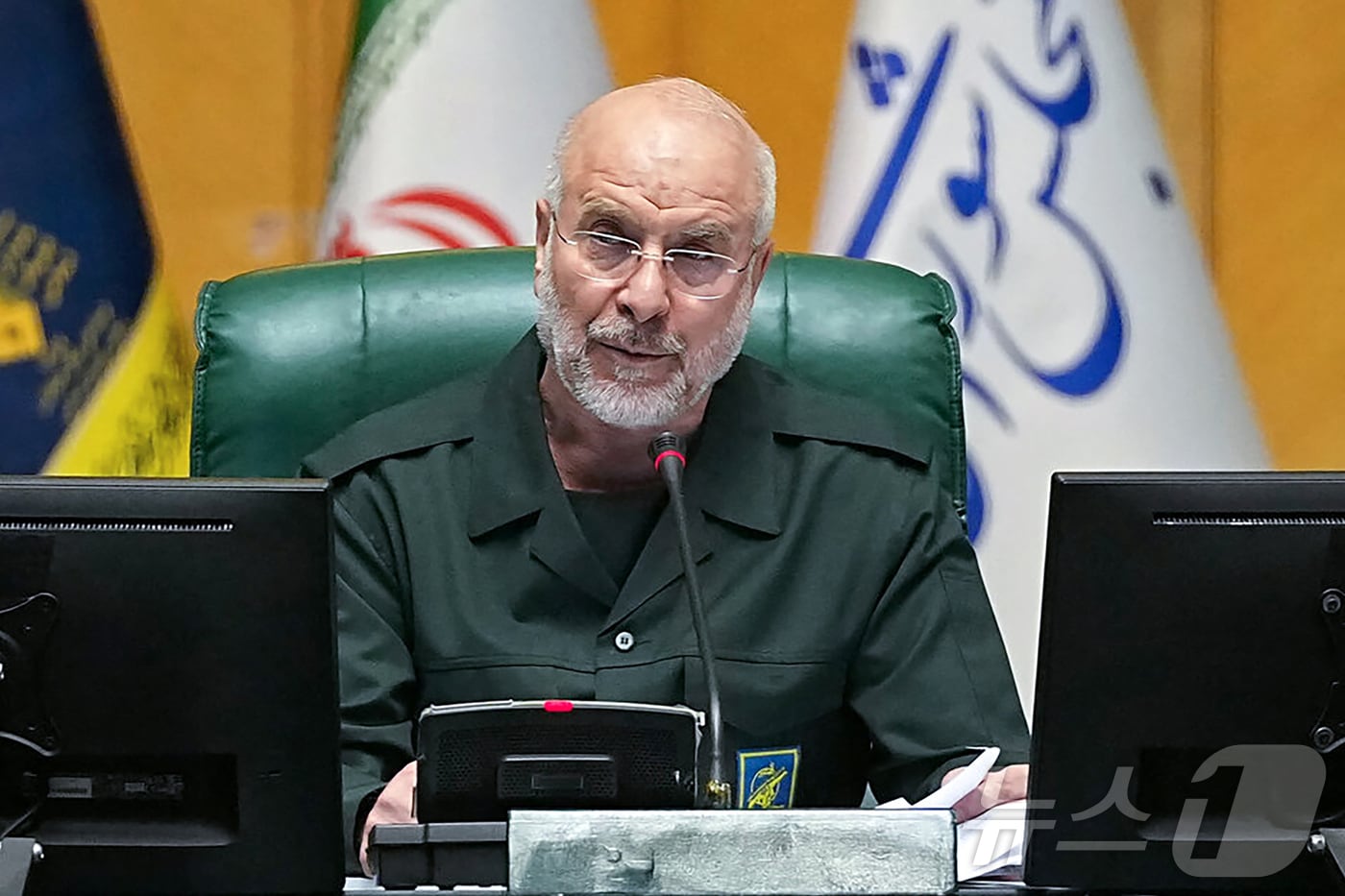
On February 7, Mohammad Bagher Ghalibaf, Iran’s parliamentary speaker and its lead negotiator on dealings with Washington, delivered his message in a closed-door meeting with lawmakers and then amplified it on X. The attacks on US military installations in the Gulf region, he said, were “just the beginning.” Iran had already inflicted significant damage, he claimed, and had sufficiently frustrated American leadership. If Washington struck again, he warned, Tehran would respond with attacks that were faster, stronger, and more painful.
What followed was not a diplomatic counter-note but a direct escalation from the Pentagon side. Defense Secretary Hegseth posted on X the day before, flatly stating that if Iran attacked American ships, the United States would sink Iranian tankers. He characterized Iran’s oil tanker fleet as defenseless — no navy, no air force — and noted that US aircraft, ships, and submarines under both CENTCOM and INDOPACOM commands could strike every Iranian tanker in the region.
The language here is deliberately unmediated. There is no back-channel caveat, no UN resolution invoked, no mention of proportionality. Both sides are speaking in absolutes.
The Infrastructure They Are Threatening
Ghalibaf did not stop at military targets. He pointed explicitly to the Gulf’s energy infrastructure, describing the oil and gas production network across the region as “extensively spread, easily accessible, and exposed to attack.” He specifically named US oil and gas companies operating offshore platforms and maritime facilities as being within range.
This is a meaningful shift in Iran’s targeting calculus. In past confrontations, Tehran has typically reserved direct strikes on energy installations for its final card. The fact that Ghalibaf is raising the possibility now — before any confirmed third strike — suggests that Iran has already concluded it is in a downward spiral and is attempting to impose costs before its own position deteriorates further.
The Gulf’s energy infrastructure is not abstract. It processes roughly a third of the world’s seaborne crude. A single sustained attack on platforms or LNG terminals in the UAE, Kuwait, or Saudi waters would not merely rattle markets — it would remove supply in hours that normally takes months to replace. The Strait of Hormuz, through which approximately 21 million barrels per day transit, is a narrow chokepoint that even a handful of fast-attack craft or mines could disrupt.
Who Wins and Who Loses
Ghalibaf’s calculation is transparent: if Iran can raise the prospect of a wider regional war fast enough, Washington may recalibrate rather than escalate. The message to American corporate and political audiences is clear — we can hurt you beyond the battlefield, and we are prepared to try.
Hegseth’s reply operates on the same logic in reverse. By threatening to dismantle Iran’s tanker fleet — an economic lifeline — he is attempting to deter further attacks by making the cost of Iranian aggression appear intolerable. The underlying assumption is that Iran’s regime prioritizes revenue survival over symbolic military confrontation.
But both calculations rest on a premise neither side can fully verify. Iran’s exact damage to US bases remains unclear, as does Washington’s readiness for a second round. And the threat to sink Iranian tankers carries its own risks: it would almost certainly trigger Iranian retaliation against energy facilities, creating the spiral both sides claim to want to avoid.
The real losers here are not the combatants. They are the third parties. Southeast Asian and European buyers of Gulf LNG face sudden supply risk. Insurance premiums for shipping through the strait will spike. Portfolio investors holding energy stocks will price in a premium that has nothing to do with fundamentals and everything to do with fear.
What Happens Next
The immediate question is whether either side stops at words. History suggests the answer is rarely yes. Both Tehran and Washington have signaled that they are willing to cross thresholds that previously seemed off-limits. The last time this cycle played out — the 2019 Abqaiq attack on Saudi facilities — the market reacted within hours and the geopolitical aftershocks lasted years.
If Iranian forces strike another US facility in the Gulf, Hegseth’s threat to target tankers becomes credible and enforceable. If US forces strike Iranian oil infrastructure, Ghalibaf’s warning about energy targets shifts from rhetoric to policy. The escalation ladder has no middle rungs left.
Diplomatic off-ramps are theoretically available but currently absent. Iran’s negotiation representative is simultaneously its parliamentary speaker — a position that limits how much distance he can put between himself and hardliners in the Supreme National Security Council. Washington, meanwhile, faces domestic political pressure to appear resolute after what Ghalibaf called “recent侵略 bases.”
The most likely near-term trajectory is a period of calibrated violence — limited strikes on each side designed to signal capability without triggering full-scale war. But calibrated violence in the Gulf is inherently unstable. A missile strays. A drone misses. A tanker is hit. One misread changes everything.
For markets and policymakers outside the region, the signal is straightforward: assume the Gulf is now a zone where energy infrastructure is a legitimate target and where escalation can move from threat to action in hours, not weeks. That is a world that commodity traders and alliance managers will need to prepare for whether they want to or not.